How to Choose the Best Gravity Casting Process for Your Needs?
Gravity casting is a widely utilized method in various industries, known for its precision and efficiency in producing metal components. According to the Research and Markets report, the global market for casting processes is projected to reach $66.8 billion by 2025, with gravity casting playing a significant role. This technology excels in producing intricate shapes and high-quality finishes, making it essential for sectors such as automotive and aerospace.
Despite its advantages, selecting the right gravity casting process can be challenging. A recent survey revealed that 47% of manufacturers struggle with process selection, often leading to increased costs and production delays. Factors such as material type, part complexity, and volume demand complicate the decision. Understanding these variables is vital for optimizing production efficiency and minimizing waste.
Choosing the best gravity casting process requires informed deliberation. Experts frequently advise assessing both short-term needs and long-term goals. With advancements in technology, options have grown, yet many companies still face setbacks. A poorly chosen process can affect overall product quality and market competitiveness. Therefore, careful evaluation and expert consultation are essential for successful implementation.
Understanding Gravity Casting: Overview and Applications
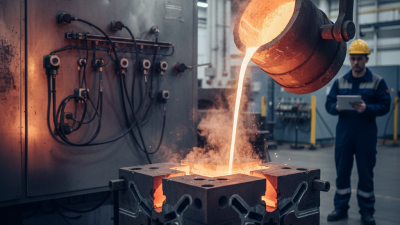
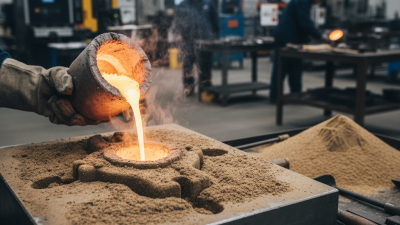
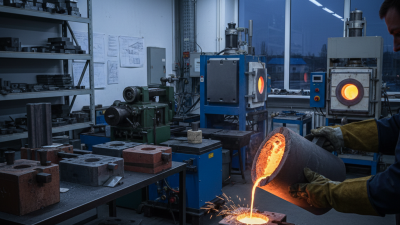
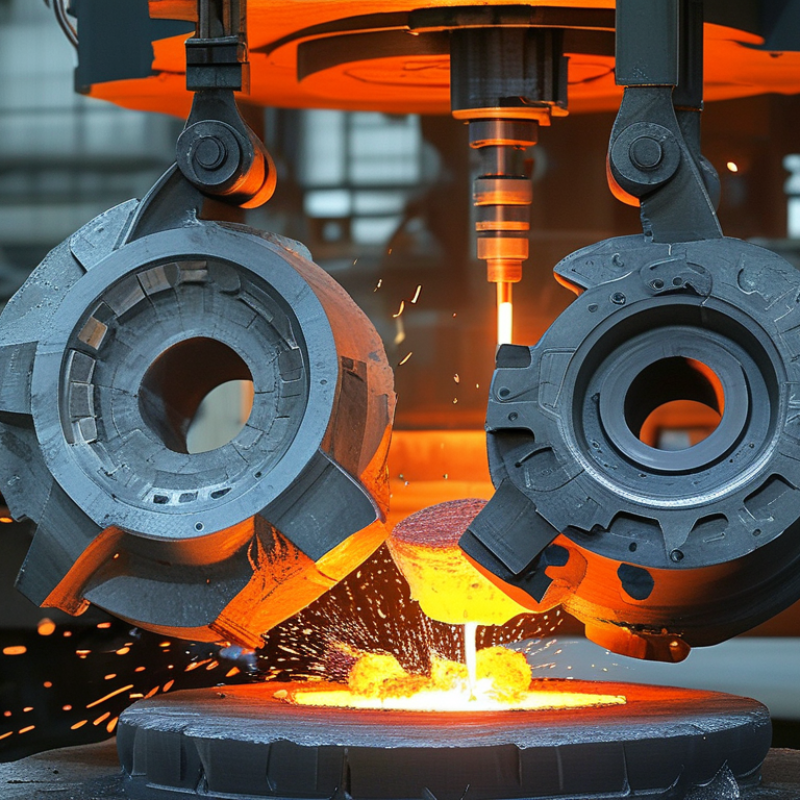
Gravity casting is a widely used process in the manufacturing industry. It involves pouring molten metal into a mold. The mold's design influences the final product's quality and accuracy. Understanding the applications of gravity casting can help you determine its suitability for your projects.
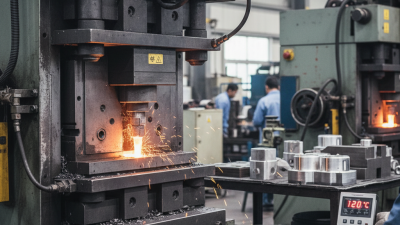
Gravity casting is particularly effective for creating complex shapes. It offers durability and excellent surface finish. This method is common in automotive components, aerospace parts, and industrial machinery. The process is known for its cost-effectiveness in producing medium to high volumes.
While gravity casting has many advantages, it is not without its challenges. The mold can wear down over time, affecting the product's precision. Additionally, not all metals are ideal for this process. Therefore, careful consideration of the material and design is necessary. Each project may require unique adjustments for optimal results.
Key Factors to Consider When Choosing a Gravity Casting Process
When selecting a gravity casting process, several key factors must be assessed to ensure the best fit for your needs. Material choice is critical. Different materials respond uniquely during the casting process, affecting durability and finish. Aluminum, for instance, provides excellent fluidity. However, its weight may limit some applications. Understanding the properties of available materials can prevent costly mistakes.
The complexity of the part also plays a major role. Intricate designs with fine details require a precise casting process. If the design cannot be produced accurately, the final product may not meet specifications. Assessing your design’s feasibility during the early stages is essential. Engaging experts for feedback can reveal potential issues before production begins.
Lead times and costs are other significant considerations. While some methods offer speed, they may also incur higher costs. Balancing speed with budget constraints can help you avoid financial pitfalls. Reflection on previous projects can inform better decisions. Examine past experiences to identify which processes worked well and which didn’t. This knowledge base serves to improve future selections and minimize risks.
Different Types of Gravity Casting Techniques Explained
Gravity casting is a popular method for producing high-quality metal components. Various techniques exist within this category, each suited for specific applications. Understanding these methods is crucial for selecting the best fit for your project.
One common technique is traditional gravity die casting. This process involves pouring molten metal into a stationary mold. The technique ensures good surface finish and dimensional accuracy. It is a reliable choice for mass production, but it requires careful mold design. Another option is the tilt pouring method, which enhances filling and reduces defects. This method is efficient for large parts but may have limitations in intricate designs.
Investment casting is another gravity technique that allows for complex shapes. It uses a wax model coated in ceramic. While this method produces detailed parts, it can be costly and time-consuming. Evaluating your specific needs against these techniques can help in making an informed decision for your project. Recognizing the strengths and weaknesses of each method will enhance your manufacturing process.
How to Choose the Best Gravity Casting Process for Your Needs?
| Casting Technique |
Material Suitability |
Typical Applications |
Cost Efficiency |
Production Rate |
| Low Pressure Gravity Casting |
Aluminum, Zinc |
Automotive parts, Structural components |
Moderate |
Medium |
| High Pressure Gravity Casting |
Aluminum, Magnesium |
Aerospace components, Engine blocks |
High |
High |
| Die Casting |
Aluminum, Zinc, Copper |
Consumer goods, Electronics housings |
Moderate to High |
Very High |
| Sand Casting |
Iron, Steel, Aluminum |
Heavy machinery, Artifacts |
Low |
Low |
| Permanent Mold Casting |
Aluminum, Copper |
Tools, Gears |
Moderate |
Medium to High |
Evaluating Material Compatibility for Gravity Casting
When it comes to gravity casting, material compatibility plays a crucial role in the effectiveness of the process. Selecting the right materials can significantly influence the mechanical properties of the final product. Commonly used metals include aluminum, zinc, and copper alloys. Each material offers unique benefits and drawbacks. For example, aluminum is lightweight but may be less durable than some copper alloys.
Understanding the properties of your chosen material is vital. Factors such as thermal conductivity, corrosion resistance, and strength all impact the casting process. Moreover, not all materials perform well in gravity casting. It is necessary to conduct tests or consult with experts to ensure compatibility. If a material does not flow well into molds, the final product may have defects or inconsistencies.
Additionally, consider the environmental implications of your material choices. Some materials may present challenges regarding waste or sustainability. This can be a point of reflection for manufacturers who aim to meet both performance and environmental standards. Engaging with knowledgeable partners can help refine your material selection process.
Cost Analysis: Budgeting for Your Gravity Casting Needs
When considering gravity casting, budgeting is critical. Understanding the costs involved helps in making informed decisions. Reports indicate that the average cost per part can vary significantly, typically ranging from $5 to $15 per kilogram. This cost often includes material expenses, labor, and machine operation costs. Getting a comprehensive cost analysis is essential for companies looking to utilize gravity casting effectively.
Material selection also plays a significant role in budgeting. Aluminum and zinc alloys are commonly used, with prices typically fluctuating based on market demand. For instance, aluminum might cost around $2.50 to $3.00 per kilogram. Yet, production scalability can lead to reduced costs over time. Thus, an initial investment in larger volumes can yield savings in the long run.
It's important to reflect on how the choice of process and materials aligns with overall project goals. Ensure that quality standards are met while being mindful of budget constraints. An effective gravity casting process not only meets production needs but also stays within financial limits. Balancing these elements is imperative for long-lasting success in any gravity casting project.

 +86-13516964051


 CONTACT NUMBER
 CONTACT NUMBER