2026 How to Choose the Best Casting Equipment for Your Needs?
Choosing the right casting equipment is crucial for any metalworking project. John Smith, a renowned expert in casting technologies, once said, "The right tools can make or break your process." This reflects the significance of selecting equipment that aligns with your specific needs.
When selecting casting equipment, consider material compatibility, size, and intended use. Each project has unique demands. As you explore options, it’s important to understand that not every piece of equipment guarantees success. Inadequate choices can lead to wasted materials and time.
Assessing your current capabilities will help in making informed decisions. Look for equipment that enhances efficiency but also consider durability. Investing in quality casting equipment can be beneficial, yet some tools may not fit your budget. This balancing act requires careful thought and industry knowledge. Choose wisely to ensure your projects achieve desired results.
Understanding Different Types of Casting Equipment Available in 2026
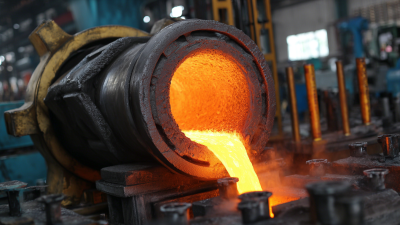
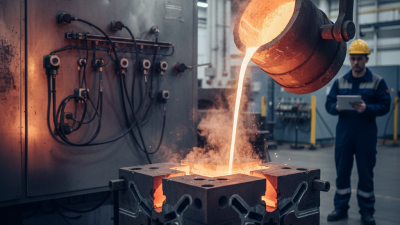
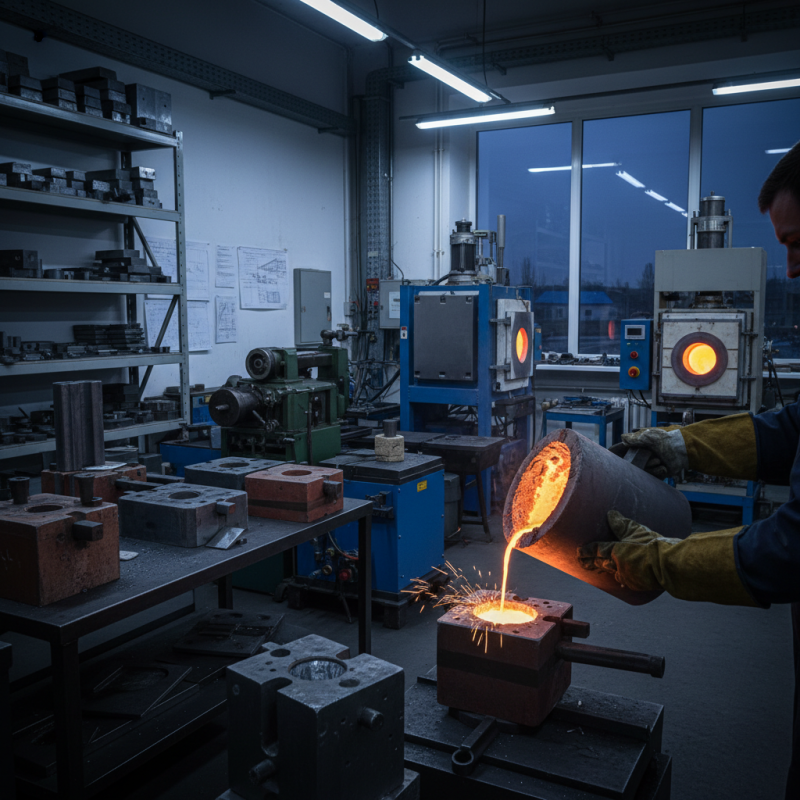
When selecting casting equipment in 2026, it’s crucial to understand the types available. Each type serves different needs and applications. For example, die casting machines are prominent in high-volume production. They create precise parts using molten metal. This method is efficient but may require significant upfront investment.
On the other hand, sand casting is more versatile. It accommodates various materials and shapes. This process allows for easier prototyping. However, it often yields a rougher finish. In contrast, investment casting offers high detail, yet it can be more expensive and time-consuming.
As you explore options, consider your specific requirements. Think about the materials you plan to use. The choice of casting method can significantly affect your production. Reflect on the trade-offs between speed and quality. Understanding these factors can lead to better, more informed decisions.
2026 How to Choose the Best Casting Equipment for Your Needs?
| Equipment Type |
Versatility |
Weight Capacity (lbs) |
Power Source |
Price Range ($) |
| Electric Furnace |
High |
100 |
Electric |
300 - 600 |
| Gas Furnace |
Medium |
200 |
Gas |
500 - 900 |
| Induction Heater |
High |
150 |
Electric |
400 - 800 |
| Pressure Die Casting |
Low |
300 |
Hydraulic |
2000 - 3000 |
| Centrifugal Casting Machine |
Medium |
250 |
Electric |
1500 - 2500 |
Assessing Your Specific Casting Needs and Requirements
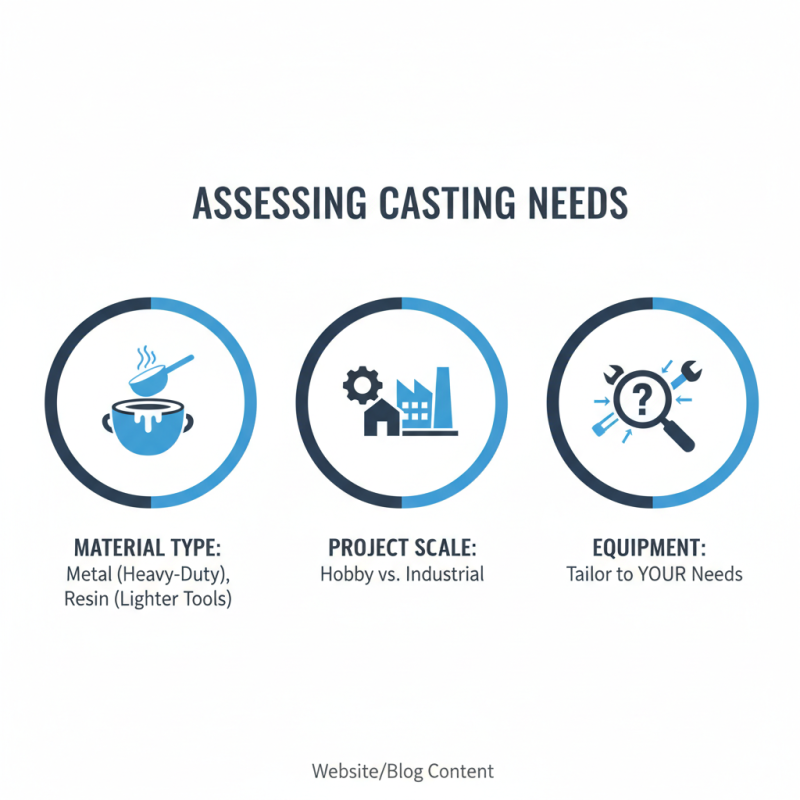
Choosing the right casting equipment is not a one-size-fits-all decision. It’s crucial to assess your specific requirements. Start by evaluating the type of materials you will cast. Different materials demand different equipment. For instance, metal casting requires heavy-duty machinery, while resin casting may need lighter tools. Consider the scale of your projects as well. Small hobby projects differ greatly from industrial-scale operations.
Explore your experience level. Beginners might need simpler setups, while skilled artisans can handle more advanced equipment. Reflect on what you truly need versus what looks appealing. Sometimes, the latest technology is not necessary for your projects. Additionally, budget constraints are a reality for many. Investing in high-quality tools is wise, but it’s important not to overspend on features you won't use.
Think about the workspace you have available. Large equipment requires ample space, while compact tools can work in smaller areas. Safety is also a significant factor. Ensure that the equipment you choose meets your safety standards and complies with regulations. The more you understand your unique needs, the more effective your choices will be. This assessment process might take time, but it’s vital for achieving your casting goals.
Factors to Consider When Choosing Casting Equipment
Selecting the right casting equipment is crucial. There are several factors to assess before making a decision. Understanding your specific needs is essential. Consider what material you will work with. Different projects require different setups.
Next, evaluate the equipment's capacity. A larger capacity can handle bigger jobs, but it can also be more complex to use. Look at the design and features as well. Tools with adjustable settings provide flexibility. Ensure the equipment meets safety standards. Reliable safety features protect users and improve overall efficiency.
Budget is another significant aspect. High-quality equipment may come with a higher price tag, but it is often worth the investment. Research various options to find the best value. Don't rush the decision-making process. Take your time to compare and reflect on your choices. Sometimes, what looks good on the surface may not meet long-term needs. Consider seeking advice from experienced users. This can guide you towards more informed decisions.
Factors to Consider When Choosing Casting Equipment
Comparison of Budget vs. High-End Casting Equipment Options
When selecting casting equipment, you often face a choice between budget and high-end options. Budget equipment can be tempting due to its lower price. However, this choice often comes with limitations in durability and performance. A recent industry report found that 60% of lower-cost casting tools fail within the first year of use. This statistic highlights the risk involved with less expensive choices.
High-end casting equipment usually boasts superior materials and advanced technology. According to a study by the Casting Industry Foundation, investing in high-quality tools can boost production efficiency by up to 30%. That means faster turnaround times and higher-quality output.
However, high-end gear demands a larger financial commitment. This can lead to hesitation for many users. It's essential to evaluate your current and future needs carefully. Reflect on your projects and budget constraints. The right choice depends not only on immediate requirements but also on long-term goals and flexibility. Balancing cost and quality requires thoughtful consideration and may occasionally involve trial and error.
Tips for Maintaining and Upgrading Your Casting Equipment
Maintaining and upgrading casting equipment is crucial for quality and efficiency. Regular checks help ensure optimal performance. A recent industry report indicates that 30% of casting failures stem from inadequate maintenance. Inspect tools for wear and tear. Replace parts that are outdated. Consider using digital tools to track equipment performance data.
Upgrading equipment is another key aspect. Investing in new technology can yield significant improvements. For instance, transitioning to automated systems can reduce errors by 25%, according to a 2023 study. However, companies often hesitate to upgrade due to costs. This cautious approach can lead to missed opportunities. Balance cost with potential productivity gains.
Embracing continuous improvement is vital. Engage your team in discussions about their needs. Their insights can uncover issues often overlooked. Updating training programs can enhance knowledge of new techniques. Keep in mind that the industry is evolving rapidly. Staying informed is essential for remaining competitive.

 +86-13516964051


 CONTACT NUMBER
 CONTACT NUMBER