Leave Your Message

Top Casting Equipment Buyers Guide for Global Procurement?

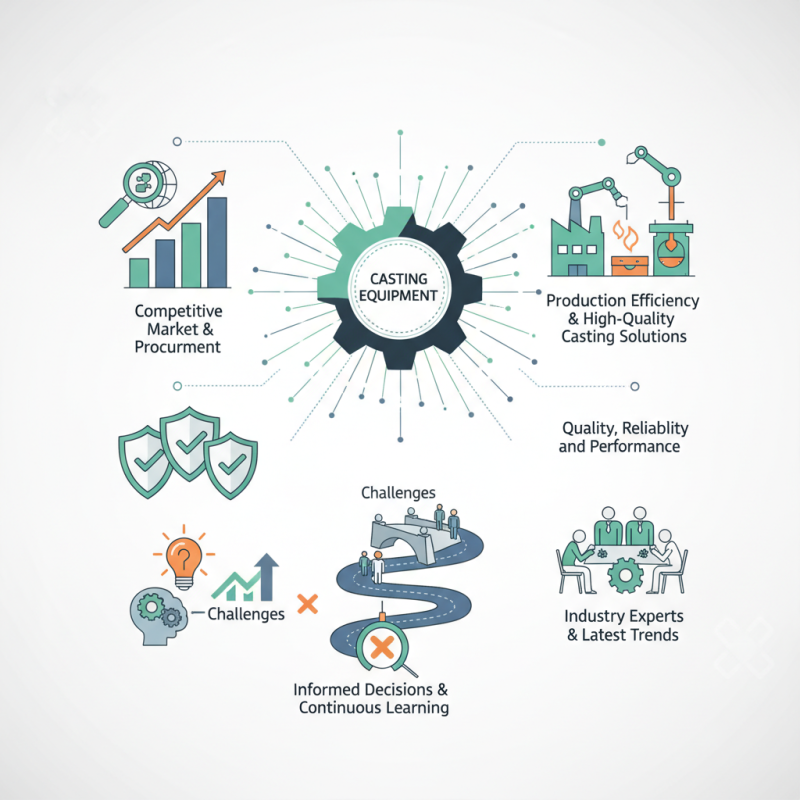
In today's competitive market, understanding the nuances of Casting Equipment procurement is crucial. As industries evolve, the demand for high-quality casting solutions increases. Buyers must navigate a complex landscape filled with various options and suppliers.

Selecting the right Casting Equipment can significantly impact production efficiency. It requires expertise and careful consideration. Quality, reliability, and performance are vital aspects to evaluate. Each piece of equipment plays a critical role in the overall casting process.

However, buyers often face challenges. Misjudging needs or overlooking supplier credentials can lead to costly errors. Continuous learning and reflection on purchasing decisions will foster better choices over time. Engaging with industry experts can provide valuable insights into the latest trends and technologies. Making informed decisions is essential for long-term success in casting operations.
Top Casting Equipment Buyers Guide for Global Procurement?

Understanding Casting Equipment: Types and Their Applications

Top Casting Equipment Buyers Guide for Global Procurement?

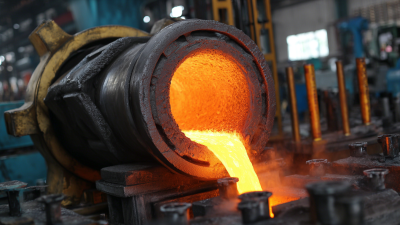
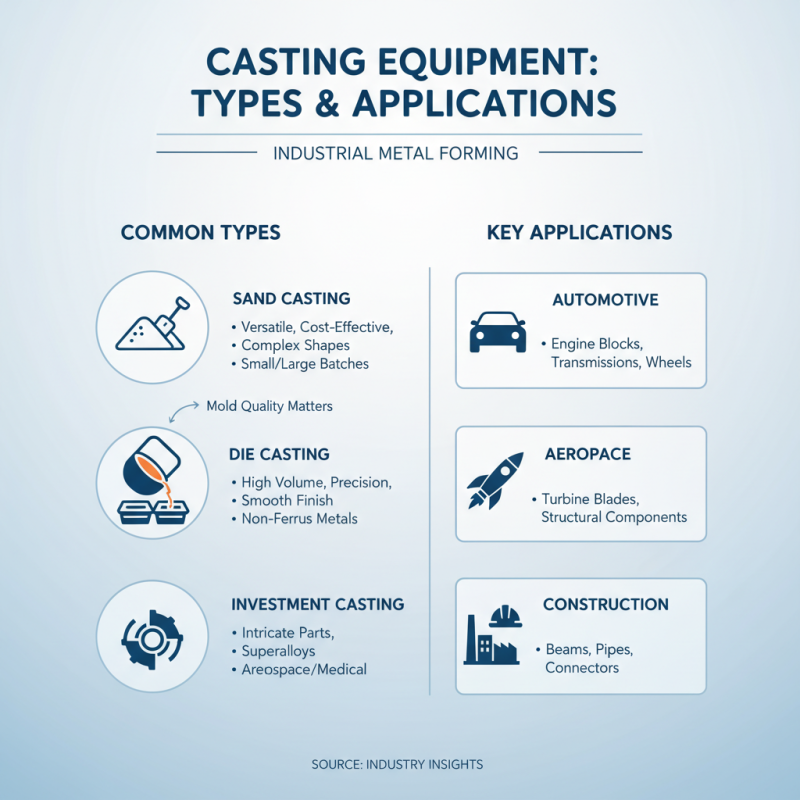
Casting equipment plays a crucial role in various industries, including automotive, aerospace, and construction. Different types of casting processes exist, each suited for specific applications. For example, sand casting is popular for its versatility and cost-effectiveness. It allows for the creation of complex shapes, making it ideal for both small and large productions. However, the quality of the mold can greatly impact the final product.

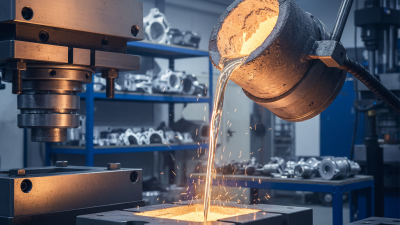
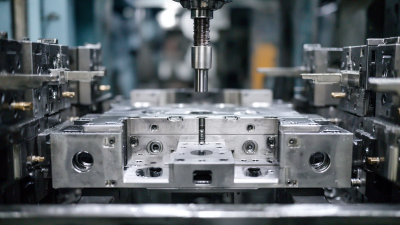
Investment in advanced casting technologies, like die casting or investment casting, offers precision and excellent surface finishes. Die casting is particularly effective for aluminum and zinc components. Yet, upfront costs can be higher. Companies must weigh the benefits against their production needs. Considerations such as cycle time, material waste, and end-use requirements are critical.

Understanding these nuances helps buyers make informed choices for global procurement. They must ask themselves if the selected equipment meets current and future demands. Engaging with experts or industry reports can enhance decision-making. With the right approach, businesses can minimize errors and optimize their investments in casting processes.

Global Market Trends: Key Statistics in Casting Equipment Imports

The global market for casting equipment is evolving rapidly. Recent statistics reveal a surge in imports across various regions. Factors such as industrial growth and technological advancements drive this increase. Emerging economies are significantly contributing to global demand. As manufacturers enhance their production capabilities, efficient casting equipment becomes crucial.

Tips: Always evaluate equipment based on your specific needs. Understanding the technical specifications can guide procurement decisions.

Additionally, sustainability is becoming a priority. Companies seek equipment that minimizes waste and energy consumption. This shift reflects a broader trend: an emphasis on eco-friendly practices. Nevertheless, navigating these changes can be challenging.

Investing in training for operators is essential. Knowledgeable staff can maximize equipment efficiency and ensure safety. Regular maintenance also plays a pivotal role in performance longevity. A proactive approach can mitigate unexpected downtime.

Global Market Trends in Casting Equipment Imports

Evaluating Quality: Standards and Certifications for Casting Gear

When it comes to casting equipment, understanding quality standards is crucial. Various organizations set benchmarks that guide manufacturers and buyers alike. For instance, the ISO 9001 certification indicates a company's commitment to quality management systems. This assurance helps in evaluating suppliers. However, the existence of certifications does not always guarantee the best product.

It is essential to investigate how companies maintain these standards. Some providers obtain certifications and then relax their quality control processes. Quality checks should be a routine part of their production. A factory may claim ISO compliance, yet the real test is in consistent output quality.

Additionally, local guidelines can influence equipment production. One region may have strict rules, while another may have lax regulations. This variance complicates procurement. Buyers need to research the criteria behind certifications actively. Investing time in due diligence pays off, but often, it is overlooked. Therefore, being informed and skeptical is vital in selecting casting gear.

Top Manufacturers: Leading Companies in the Casting Equipment Industry

The casting equipment industry continues to evolve with the advance of technology and market demands. Many companies focus on innovation, emphasizing durability and efficiency. This shift encourages competition among manufacturers. Such progress can enhance overall production processes. However, buyers must navigate these complexities to find reliable partners.

Leading manufacturers often invest heavily in research and development. They strive to improve their machinery and service offerings. Expertise in materials and technologies becomes a key differentiator. This crucial aspect can impact product lifespan and operational costs. Still, not every company manages to keep pace with these rapid changes. Some fail to meet the evolving buyer expectations.

Understanding the capabilities of various companies is vital. Buyers should analyze performance reports and client testimonials. Reliability is often tested over time. While some manufacturers shine in specific areas, they may lag in others. Each buyer’s needs are unique, making careful consideration essential. Emphasizing due diligence helps in reducing risks associated with procurement.

Procurement Strategies: Cost-Effective Buying Approaches for Buyers

When purchasing casting equipment globally, a strategic approach can yield significant cost savings. Buyers should consider bulk purchasing as a viable option. This not only reduces the cost per unit but also ensures a consistent supply chain. Negotiating with suppliers about long-term contracts can also open doors to better pricing. However, flexibility in these agreements is crucial. Being locked into unfavorable terms might lead to financial strain.

Another effective strategy is to conduct a thorough market analysis. Understanding price trends and regional variations can inform better buying decisions. Local suppliers sometimes offer competitive rates that are overlooked. However, relying solely on local options might limit your sourcing potential. It’s important to balance local and global suppliers for a more robust procurement strategy.

Engaging with industry experts can enhance your procurement decisions. Their insights can provide valuable information about emerging technologies and market dynamics. Nonetheless, it's essential to critically evaluate their advice. Not all suggestions will fit your specific needs. Reflecting on these strategies and adapting them to your unique context can ultimately lead to better procurement outcomes.