How to Master Sand Die Casting Techniques for Quality Manufacturing?
Sand Die Casting is an essential technique in modern manufacturing. By understanding its nuances, manufacturers can produce high-quality components efficiently. This method blends craftsmanship with advanced technology. It requires skill and precision. The process can seem straightforward, yet small errors can lead to defects.
To master Sand Die Casting, familiarity with materials is vital. Choosing the right sand and binders affects the final product. Equipment knowledge is equally crucial; improper setups can compromise quality. Attention to detail during each stage of production is essential. Successful outcomes depend on constant monitoring.
Continuous improvement is a significant aspect of Sand Die Casting. Learning from previous mistakes helps refine techniques. Feedback from experienced professionals can guide novice practitioners. Embracing challenges can enhance your skill set. Incorporating these strategies can lead to quality manufacturing.
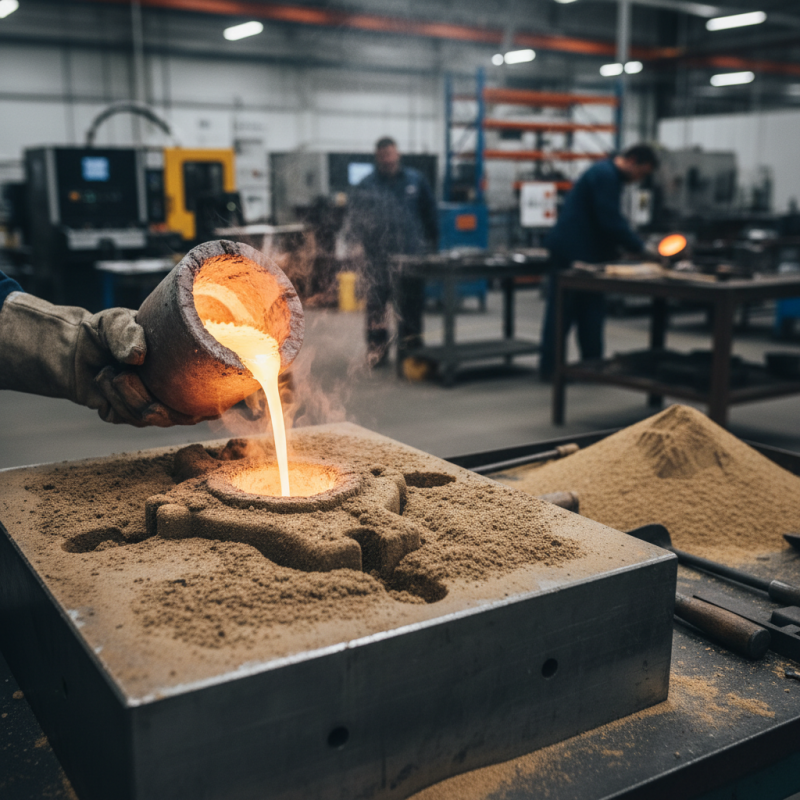
Understanding the Basics of Sand Die Casting Technology
Sand die casting is a pivotal technology in manufacturing, known for its versatility and cost-effectiveness. It combines treated sand with a bonding agent to form molds. This process allows for intricate designs and superior surface finishes, meeting demands across various industries. According to a market report by ResearchAndMarkets, the global sand casting market is projected to reach $18 billion by 2025, highlighting its importance.
To excel in sand die casting, focus on preparing quality sand mixtures. The right grain size and moisture content can significantly affect the final product. Use a sand composition analysis to ensure consistency. Remember that imperfections can arise from inadequate mold preparation or cooling rates, leading to defects like warping or shrinkage.
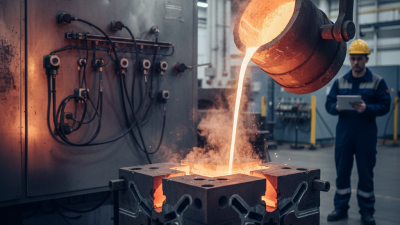
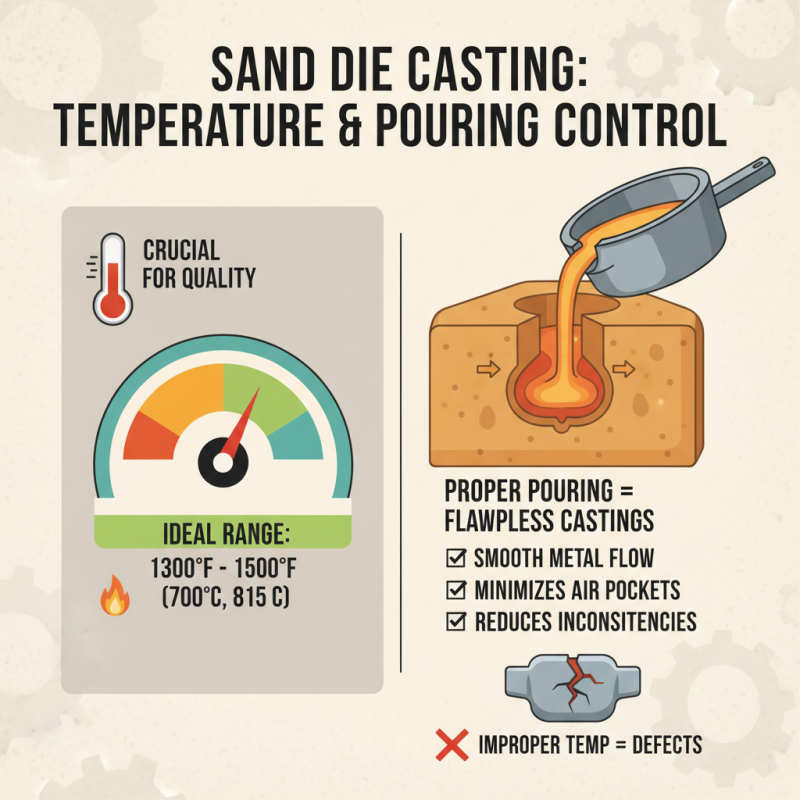
Tips: Regularly inspect your molds for wear and infill material. Small adjustments can prevent larger manufacturing issues later. Pay attention to the pouring temperature; too high can scorch the mold, while too low can lead to incomplete fills. Continuous learning through workshops can help refine skills, essential in this evolving field.
Quality Manufacturing in Sand Die Casting
This bar chart displays the defect rates of various metal types used in sand die casting manufacturing. Reducing defect rates is crucial for improving production quality and efficiency.
Essential Materials and Equipment for Sand Die Casting Process
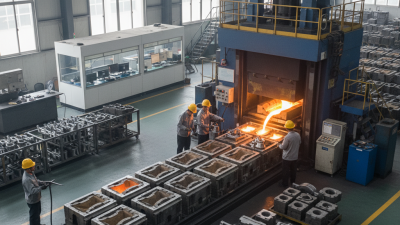
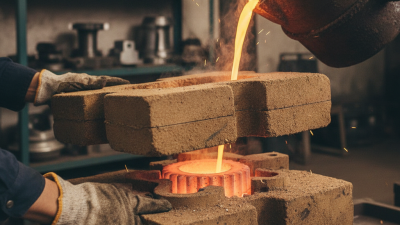
The sand die casting process requires specific materials and equipment to ensure high-quality results. Sand is the primary material used to create the molds. It is essential to choose the right type of sand, often a silica-based one, to achieve the desired mold strength and heat resistance. Bindings like clay or resin can enhance the quality of the sand mix. These materials prevent the sand from cracking or deforming under high temperatures.
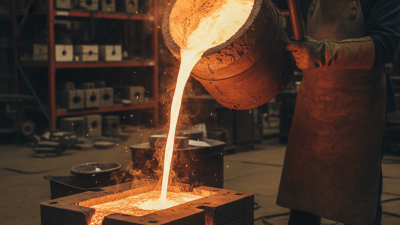
A well-equipped die casting workshop should have several critical tools. Molding boxes are essential for forming the sand molds. They hold the sand mixture tightly, allowing for accurate shapes. Additionally, a furnace is necessary for melting the metal before pouring it into the molds. Thermocouples provide critical temperature readings, ensuring the metal is at the right molten state.
While having the best materials and equipment is vital, the entire process demands constant adjustments and improvements. For example, sand quality can vary, affecting the final product. Testing different sands might be necessary to find the perfect mix. Equipment maintenance is another aspect that requires attention. Regular checks ensure that the molds produce consistent quality parts, which helps avoid waste and rework.
Step-by-Step Guide to Preparing Sand Molds for Casting
Preparing sand molds for casting is a crucial step in achieving high-quality manufacturing. The quality of the mold directly influences the final product. According to industry reports, over 40% of defect issues in castings stem from poor mold preparation. Ensuring the right sand mixture and compaction is essential for durability and precision.
To start, select a suitable sand type, typically silica sand. A mix of 70% sand, 20% clay, and 10% water yields good results. The sand must be free from contaminants. Once mixed, the sand should be compacted evenly in the mold box. This step requires attention. Inconsistent compaction can lead to weak spots. Testing the mold for integrity is a best practice in the casting process.
After shaping the mold, it's vital to check for imperfections. A thorough inspection can save time and resources later in the process. Using tools like a sifting screen can enhance sand quality. Reported data shows that around 25% of metal defects occur due to sand quality. Regular training for staff on mold preparation techniques can lead to significant improvements in casting quality.
Quality Assurance and Testing Methods in Sand Die Casting Production
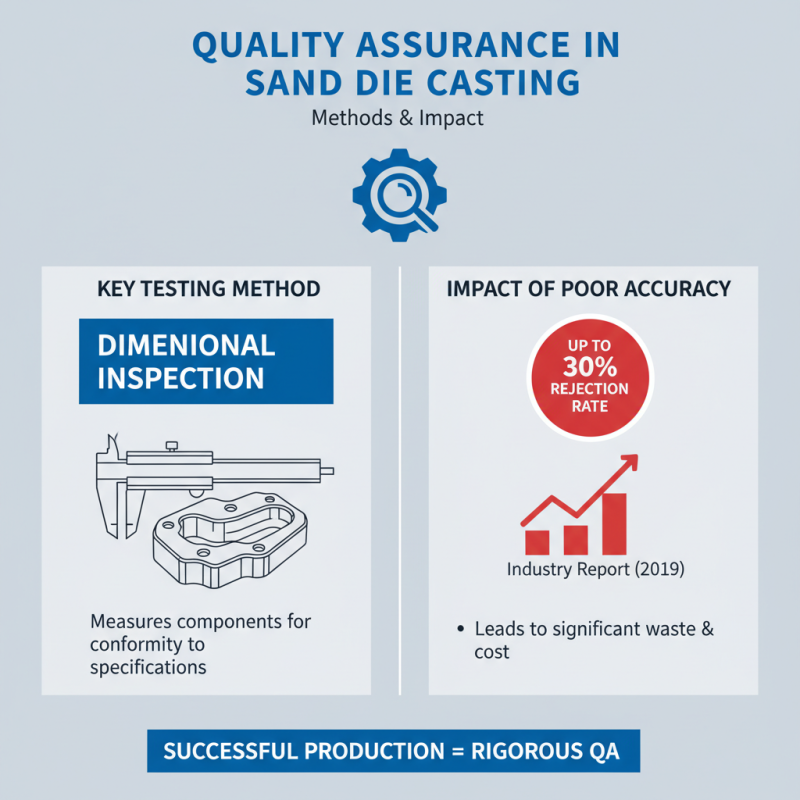
Quality assurance in sand die casting is critical for successful production. The process involves several testing methods to ensure the final product meets industry standards. One key method is dimensional inspection, where components are measured to verify they conform to specifications. A 2019 report indicated that improper dimensional accuracy can lead to a rejection rate as high as 30% in casting production.
Another important aspect is inspecting the material properties. Utilizing non-destructive testing (NDT) techniques, such as ultrasonic testing, helps identify internal defects. This can save costs associated with scrap and rework. According to industry data, NDT can reduce production failures by 40%. However, it requires trained personnel, which may pose a challenge for some manufacturers.
Chemical composition analysis is equally important. It verifies that the metal has the right properties for its intended use. Missing this step can result in catastrophic failures in the field. In a recent survey, 25% of manufacturers reported issues linked to material quality. Quality assurance needs constant review. This reflection can drive improvements in practices and reduce wastage in the long run.

 +86-13516964051


 CONTACT NUMBER
 CONTACT NUMBER