10 Essential Tips for Successful Metal Die Casting Process?
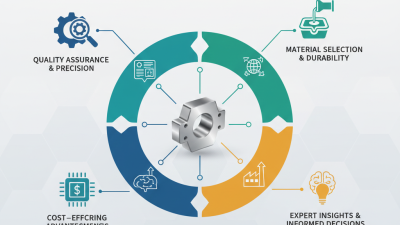
The Metal Die Casting process is vital in manufacturing. It offers precision and quality across various industries. However, achieving success in this process requires expertise and attention to detail. Many manufacturers overlook critical factors. This can lead to defects and increased costs.
Understanding the essential tips for Metal Die Casting is crucial. Proper temperature control and material selection can dramatically affect outcomes. Additionally, mold design plays a significant role. Poor design can lead to poor flow and solidification issues. Recognizing these challenges is the first step toward improvement.
Consistency is key in Metal Die Casting. An experienced team must monitor each step closely. While the process is efficient, it demands precision. Mistakes can lead to waste and loss of time. Thus, refining techniques and learning from past experiences are essential. Emphasizing these tips can help ensure a successful casting process.
Understanding the Basics of Metal Die Casting
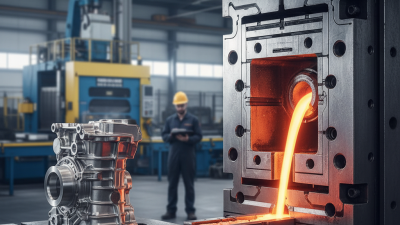
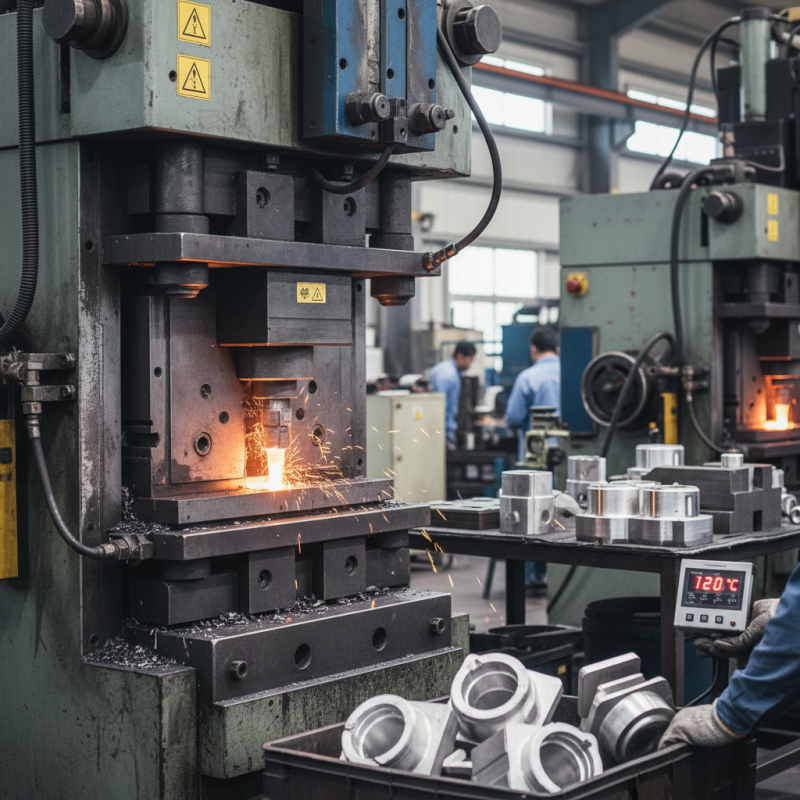
Metal die casting is a complex process that requires a solid understanding of its principles. At its core, this technique involves forcing molten metal into a mold cavity. This ensures a high level of precision and repeatability in producing intricate shapes. The choice of metal is critical, as different alloys will affect the outcome in terms of strength, weight, and finish. Proper melting temperature and timing also play significant roles, as overheating can cause defects in the final product.
The design of the die itself is another essential element. A well-designed die minimizes flaws and promotes effective cooling. However, even experienced professionals can face challenges. Issues like air pockets or incomplete filling can occur. These problems often result from incorrect venting or insufficiently designed runner systems. Continuous reflection and testing are necessary to refine these parameters for optimal performance. This iterative process fosters a deeper understanding of both the technology and the materials involved. Over time, with practice and adjustment, teams can achieve remarkable precision and efficiency in their metal die casting operations.
Choosing the Right Materials for Die Casting Success
Choosing the right materials for die casting is crucial for achieving high-quality parts.
Aluminum, zinc, and magnesium are popular choices. Each material has unique properties that affect the final product.
For example, aluminum provides excellent strength and corrosion resistance. However, it can be more expensive than other materials.
When selecting materials, consider the specific application. Some materials may perform well in certain environments but fail under pressure.
For instance, zinc is great for thin-walled components but may not withstand high temperatures as well as aluminum.
Testing different alloys can lead to better outcomes.
It's essential to evaluate the environmental impact of material choices.
Some metals require more energy in production, which may not align with sustainability goals.
Balancing performance, cost, and environmental concerns can lead to better decision-making.
Always reflect on the trade-offs involved in your selections. Proper material choice is a foundation for overall die casting success.
Optimizing Die Design for Enhanced Production Efficiency
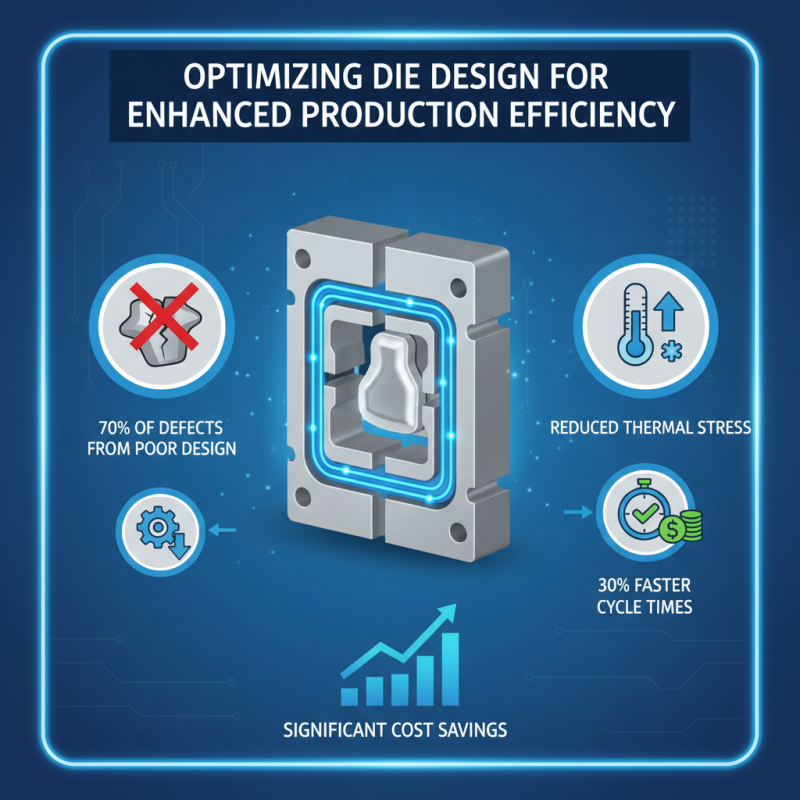
Optimizing die design plays a pivotal role in the success of the metal die casting process. According to an industry report from the American Foundry Society, about 70% of casting defects stem from poor die design. This emphasizes the need for meticulous planning and consideration of factors such as gate placement, cooling lines, and structural integrity. By reducing the thermal stress in the die, manufacturers can enhance production efficiency. Effective cooling can decrease cycle times by up to 30%, leading to significant cost savings.
Moreover, the selection of materials for the die itself is crucial. High-quality alloys can withstand higher temperatures and pressure, resulting in fewer defects during casting. A study from the Journal of Materials Science suggests that optimizing die hardness improves longevity, reducing maintenance costs and downtime. In contrast, improper material choices can lead to rapid wear and unexpected failures, which necessitates reevaluation and continuous improvement in design processes.
Die casting is not without challenges. While advanced simulation software can enhance design precision, human oversight remains a factor. Missteps in initial designs or material selections may result in costly reworks. Establishing a culture of reflection and continuous improvement can help identify these flaws early. This proactive approach in die design ultimately drives better outcomes in production efficiency and quality in the metal die casting industry.
Controlling Temperature and Pressure During the Pouring Process
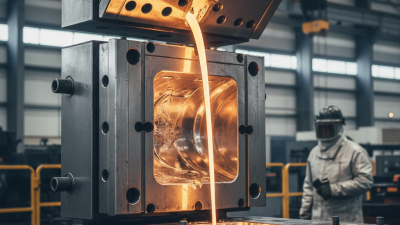
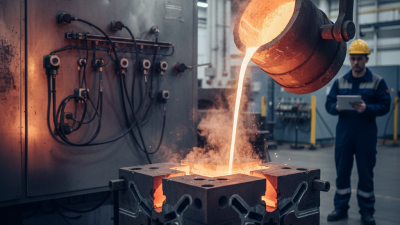
Controlling temperature and pressure during the pouring process is crucial in metal die casting. Precise temperature management helps maintain alloy fluidity, ensuring smoother flows into molds. If the temperature is too high, it can lead to oxidation. If too low, it may cause incomplete fills. Aim for a target temperature that matches the specific alloy used.
Pressure also plays a vital role. Sufficient pressure helps fill intricate mold cavities. Low pressure can result in defects like air pockets. Too high pressure might warp the mold, affecting final product quality. Regular calibration of pressure settings ensures consistency.
It is essential to test different parameters during the casting process. Monitor how variations in temperature and pressure impact your casts. Small adjustments can lead to significant improvements in quality. Don’t rush the pouring process; take time to evaluate each batch. Reflecting on these factors enhances understanding and skill in die casting.
10 Essential Tips for Successful Metal Die Casting Process - Controlling Temperature and Pressure During the Pouring Process
| Tip Number |
Tip Description |
Recommended Temperature Range (°C) |
Suggested Pressure (MPa) |
| 1 |
Ensure proper mold temperature to avoid defects. |
150 - 200 |
30 - 50 |
| 2 |
Control pouring temperature for better flow. |
700 - 800 |
20 - 40 |
| 3 |
Maintain a consistent pouring speed. |
N/A |
N/A |
| 4 |
Optimize metal alloy composition for casting. |
N/A |
N/A |
| 5 |
Monitor the cooling process to reduce shrinkage. |
N/A |
N/A |
| 6 |
Regularly inspect molds for wear and damage. |
N/A |
N/A |
| 7 |
Minimize gas entrapment during pouring. |
N/A |
N/A |
| 8 |
Use appropriate gating and riser design. |
N/A |
N/A |
| 9 |
Employ advanced simulation tools for process optimization. |
N/A |
N/A |
| 10 |
Train personnel in best production practices. |
N/A |
N/A |

 +86-13516964051


 CONTACT NUMBER
 CONTACT NUMBER