China Top Sand Die Casting Techniques for Efficient Manufacturing?
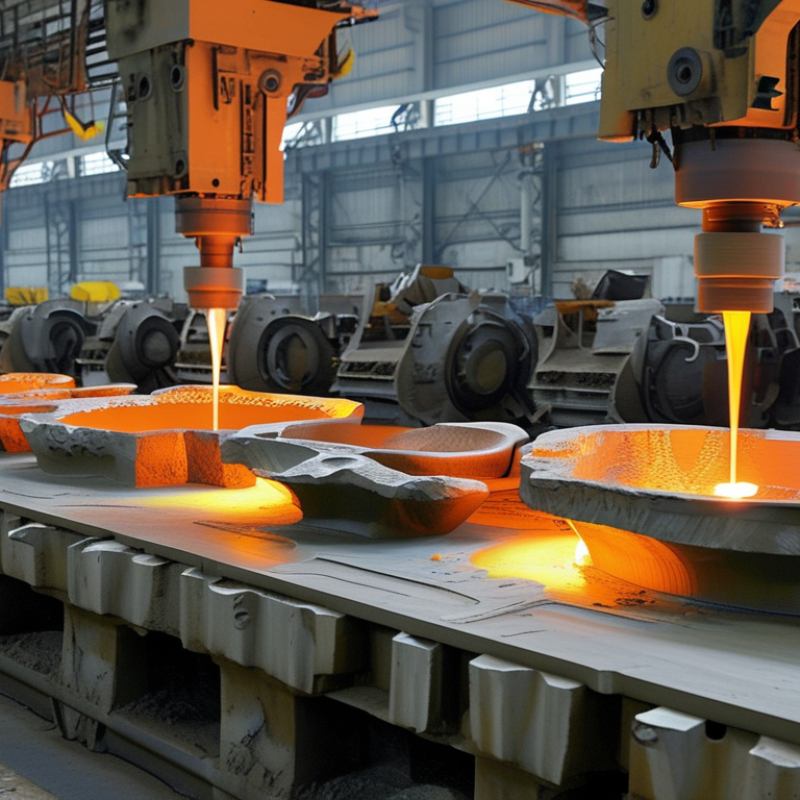
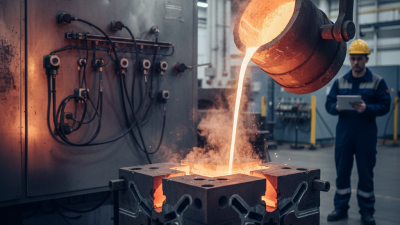
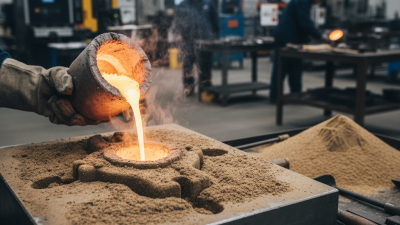
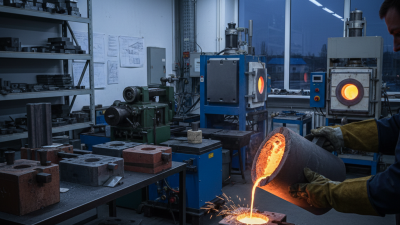
Sand Die Casting is a critical manufacturing technique in China. It combines efficiency with cost-effectiveness. This method uses sand molds to create complex metal parts. Industries need reliable techniques for high-quality production. Sand Die Casting meets these needs well.
Many factories focus on this traditional process. It allows for precise designs and fast production rates. However, challenges do exist. Variability in sand quality can affect outcomes. Consistency in temperatures is essential for success. Manufacturers must pay attention to these details.
Expertise plays a crucial role in enhancing Sand Die Casting. Skilled workers understand how to manage these variables. They ensure products meet strict industry standards. Continuous improvement is vital for maintaining quality. Overall, Sand Die Casting techniques deliver efficient and effective manufacturing solutions for diverse industries in China.
Overview of Sand Die Casting in China
Sand die casting is a prominent manufacturing technique in China, known for its cost efficiency and versatility. The process uses sand molds to shape molten metal, typically aluminum or iron, into required forms. According to a recent report by Grand View Research, the global sand casting market is expected to grow at a compound annual growth rate (CAGR) of 3.5% from 2021 to 2028. This growth reflects China's leading position in the industry, driven by robust demand in automotive and aerospace sectors.
In China, manufacturers emphasize quality alongside efficiency. However, challenges remain, particularly in the consistency of mold production and material quality. Data indicates that nearly 20% of sand cast products require rework, which can affect productivity. Furthermore, environmental regulations around sand extraction have led to increased costs and sourcing challenges, prompting many companies to explore alternative materials and methods.
Efforts continue to enhance technology in sand die casting. The integration of automation and advanced monitoring systems has shown promise. Yet, adoption rates vary across manufacturers, highlighting a gap in technology utilization. Continuous improvement is vital for staying competitive, but the industry still grapples with balancing innovation and cost.
Key Advantages of Sand Die Casting Techniques
Sand die casting techniques are gaining traction in China due to their ability to produce high-quality metal parts efficiently.
One key advantage is the cost-effectiveness of the process.
According to a recent industry report, sand casting techniques can reduce production costs by up to 30% compared to other casting methods.
This is crucial for manufacturers aiming to stay competitive.
Another advantage is the versatility of sand die casting.
It accommodates a wide range of alloys, making it suitable for various industries, such as automotive and aerospace.
The ability to cast complex geometries with precision enhances product performance.
However, there are inherent challenges.
Surface finish and dimensional accuracy may not always meet stringent specifications, requiring secondary operations.
Additionally, the environmental impact of sand casting is a growing concern.
While it uses natural materials, the disposal of sand and emissions from the process need careful management.
Continuous improvements in recycling and sustainability practices are essential.
Balancing cost, efficiency, and environmental responsibility is vital for the future of sand die casting in China.
Common Materials Used in Sand Die Casting
Sand die casting is a popular manufacturing process in China, primarily due to its versatility and cost-effectiveness. Various materials are used in this method, each offering unique properties suited to different applications. Common materials include aluminum, iron, and magnesium.
Aluminum is lightweight and resistant to corrosion, making it ideal for automotive parts. Iron, particularly gray iron, is valued for its strength and wear resistance, often used in heavy machinery.
Magnesium, though less common, provides excellent strength-to-weight ratio, essential for aerospace components. Each material has its advantages and limitations. For instance, while aluminum is easily cast, its thermal properties can lead to defects if not controlled properly. Iron’s durability is impressive, but it can be challenging to work with.
This emphasizes the importance of understanding material properties to avoid common pitfalls in sand die casting.
The choice of material profoundly impacts the cast's quality and performance. However, challenges remain. Factors like temperature control and mold design can lead to inconsistencies. Furthermore, the availability of materials can fluctuate. Manufacturing professionals must continuously adapt and seek solutions to these evolving challenges.
Innovative Practices in Sand Die Casting Manufacturing
In the realm of sand die casting, innovative practices are reshaping manufacturing efficiency. Recent studies indicate that approximately 20% of production costs can be attributed to inefficient casting processes. Implementing advanced simulations and computer-aided design has dramatically reduced these costs. These technologies allow for precise mold design, minimizing errors and waste.
A notable trend involves the use of eco-friendly sand mixtures, which show promise in reducing environmental impact. Research from industry experts indicates that these sustainable materials can enhance casting quality while cutting down on emissions by up to 30%. However, transitioning to these new practices does come with challenges.
Many manufacturers encounter difficulties in sourcing suitable raw materials and adjusting their production lines for compatibility.
Moreover, the skill gap among workers remains a pressing issue. Although technology enhances efficiency, the reliance on skilled labor for quality assurance persists. Reports suggest that nearly 50% of manufacturers struggle to find qualified personnel. This highlights the need for ongoing training and education in the sector to fully leverage innovative techniques in sand die casting. Adapting to changing technologies is a journey fraught with obstacles, but the potential rewards in efficiency and sustainability are significant.
Future Trends in China's Sand Die Casting Industry
China's sand die casting industry is experiencing significant transformation. With advancements in technology, manufacturers are adopting smarter techniques. Automation and AI are enhancing precision in the casting process. This has led to reduced waste and improved production efficiency. Companies are also investing in cleaner technologies. This shift aims to minimize environmental impact while maintaining output quality.
Future trends indicate a strong push for sustainability. Many manufacturers are exploring recycled materials for casting. This initiative could reduce dependence on virgin resources. However, challenges remain in achieving consistency when using recycled materials. Additionally, workforce skill gaps may hinder the implementation of these innovative techniques. Training programs will be crucial to bridge these gaps and prepare the workforce for advanced practices.
Emerging technologies, such as 3D printing, are expected to influence the sand die casting landscape. These methods can create complex geometries that traditional techniques cannot achieve. As the market evolves, adaptability will be key. Companies that embrace these changes may lead the industry. However, careful evaluation is necessary to ensure quality and reliability in new processes. Balancing innovation with proven techniques will define future success in China’s sand die casting sector.

 +86-13516964051


 CONTACT NUMBER
 CONTACT NUMBER