Why Choose Gravity Casting for Your Manufacturing Needs?
Gravity Casting deserves consideration when a part needs repeatable dimensions, sound walls, and a practical balance between tooling cost and production volume. In this process, molten alloy flows into a reusable mold under gravity rather than high-pressure injection. That controlled fill can suit components such as brackets, housings, and wheels, where consistent geometry matters. The result still depends on alloy choice, mold design, feeding, and process control. No process is magic.
The market context is also relevant. The International Aluminium Institute has projected that global aluminium demand could rise from about 86 million tonnes in 2020 to 119 million tonnes by 2030. This forecast reflects broad demand across industries; it is not a prediction for Gravity Casting alone. It does, however, underline why manufacturers are comparing production methods carefully. Metallurgist and casting author John Campbell has written, “The quality of a casting is determined by the quality of the liquid metal.” His point is practical: mold technology cannot compensate for poor melt quality or weak process discipline. A shop floor tells the story. Watch the melt temperature, inspect the mold, and measure the finished part.
This guide examines where Gravity Casting can offer value, what trade-offs deserve attention, and which questions buyers should ask before selecting a process. Part size, wall thickness, alloy, annual volume, and finish requirements all matter. A well-made casting can be an excellent choice; a poorly matched design can erase the savings. That deserves an honest review.
What Gravity Casting Is and How It Works
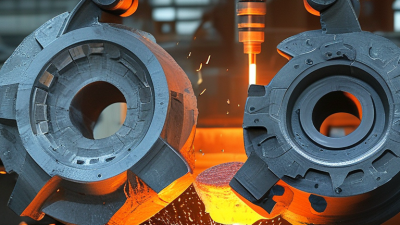
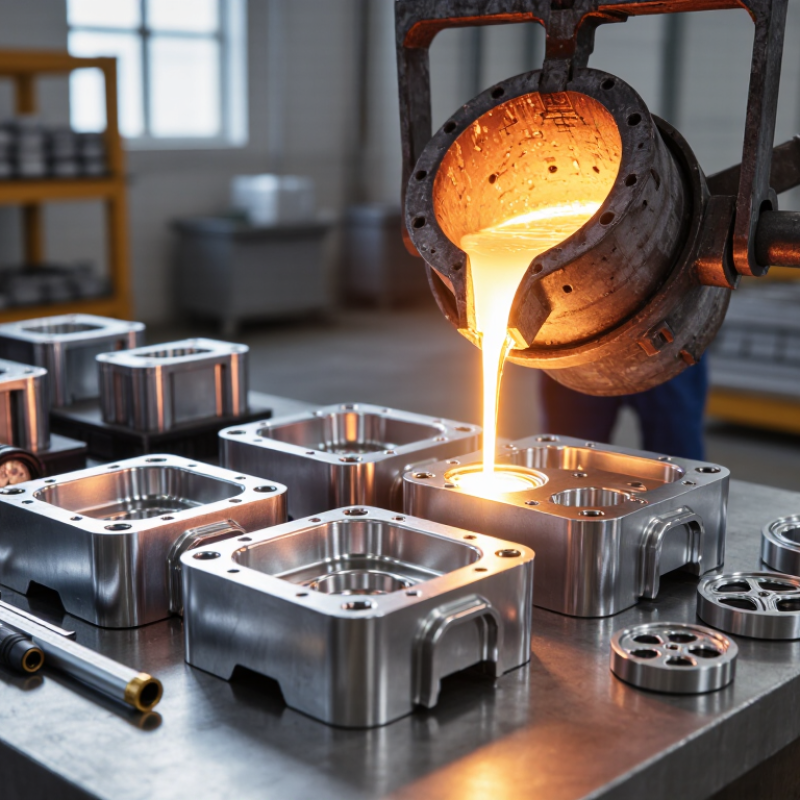
Gravity casting forms metal parts by pouring molten alloy into a reusable mold. Gravity moves the metal through the mold cavity; no high-pressure injection is used. The mold is often made from steel or iron and may have two fitted halves. It includes channels that guide the metal and vents that let trapped air escape. That matters. Poor venting can leave surface marks or incomplete areas.
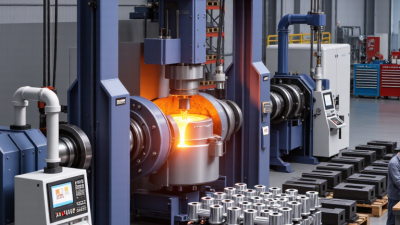
A typical cycle begins with cleaning and preheating the mold. The operator pours measured molten metal into a basin or opening, then allows it to flow into the cavity. After the metal cools and solidifies, the mold opens and the casting is removed. Gates and excess material are trimmed away. Cooling time, alloy temperature, and mold condition all affect the final part. A small temperature change can matter, though the exact effect depends on the design.
Tips: Check the mold for residue before each pour, and keep the pouring stream steady. Review the first castings for rough surfaces or thin sections. Gravity casting can produce consistent parts, but it is not automatic; mold design and process control need careful attention.
Materials and Components Suitable for Gravity Casting
Gravity casting suits metal parts produced in repeatable batches, especially when strength and dimensional stability matter more than ultra-thin walls. Common choices include aluminum-silicon, copper, zinc, and some magnesium alloys, depending on tooling and operating conditions. Aluminum alloys are often selected for pump bodies, housings, brackets, and heat-transfer components. Copper alloys can suit fittings exposed to wear or requiring good thermal conductivity. Fit matters. The USGS Mineral Commodity Summaries 2024 estimated global aluminum production at about 70 million metric tons in 2023, reflecting the material’s broad industrial availability. That figure describes production, not casting suitability; alloy and process trials still matter.
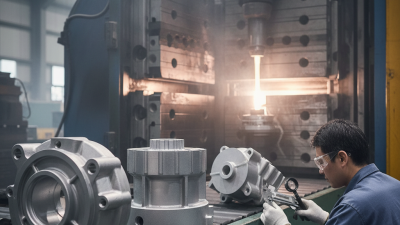
Gravity casting can produce sturdy parts with relatively consistent shapes, while reusable molds make it practical for repeat orders. It is less suited to extremely thin sections or intricate features that require extensive machining. For a pump housing, for example, designers should check wall thickness around ports and corners, where metal flow and cooling can vary. They should also consider corrosion exposure, working temperature, and the cost of mold maintenance. Zinc may suit smaller components with fine detail, but temperature and load limits need careful review. There is no perfect default. A sample casting can reveal porosity or surface issues that drawings alone may miss.
Key Advantages for Manufacturing Applications
Gravity casting uses gravity to fill a reusable mold with molten metal, making it a practical choice for many aluminum components. The process can produce consistent shapes and a relatively smooth surface, often reducing the amount of machining needed. That can save time. It also avoids the high injection pressures used in some other casting methods.
For manufacturing applications, repeatability is a key advantage. Once the mold and pouring process are controlled, parts can maintain reliable dimensions across production runs. Gravity casting suits components such as housings, brackets, and structural fittings, especially when moderate or higher quantities justify the tooling. Still, it is not ideal for every geometry. Thick sections, intricate features, or tight tolerances may require design changes or additional machining. A process that looks right on paper can prove less economical after testing.
Tips: Review wall thickness, alloy, expected volume, and critical dimensions before committing to a mold. Ask for sample parts and inspect their fit and finish. Small design adjustments can improve metal flow, but they may affect appearance or strength. That trade-off deserves a close look.
Limitations and Factors That Affect Casting Quality
Why Choose Gravity Casting for Your Manufacturing Needs?
Limitations and Factors That Affect Casting Quality
Gravity casting can produce dense, repeatable parts, but gravity alone cannot ensure sound metal. For aluminum alloys, the ASM Handbook, Volume 15, reports roughly 6% volumetric contraction during solidification. Poorly fed hot spots may therefore develop shrinkage cavities. Thick-to-thin transitions, abrupt corners, and undersized risers increase the risk. More uniform walls help, though part design does not always allow them. This is easy to underestimate.
Air entrapment and temperature variation also matter. Excessive turbulence can fold oxide films into the melt; a cool mold or slow fill may cause cold shuts. A clean-looking surface proves little. Track melt temperature, mold temperature, fill time, and internal porosity across production runs. The NIST/SEMATECH e-Handbook of Statistical Methods describes Cpk 1.33 as a commonly used process-capability benchmark. Treat it as a screening reference, not a universal acceptance rule: alloy, geometry, and measurement methods change what “capable” means. Small trials help. Even so, a few successful pours do not establish stable quality; that takes repeat measurements and honest review of outliers.
How to Decide Whether Gravity Casting Meets Your Needs
Decide whether gravity casting fits by looking at the part, the production volume, and the required finish.
In this process, molten metal flows into a reusable mold under gravity, without high-pressure injection. It can work well for aluminum parts with sturdy sections and moderate production runs. Thin ribs or long, narrow channels may fill less reliably. That matters.
Review the drawing with a casting specialist before locking the design. Ask about minimum wall thickness, draft angles, machining allowance, and likely dimensional variation. Compare the expected tolerances with the measurements your assembly actually needs; tighter tolerances may require extra machining. Complex undercuts or very fine features can make another process more practical. The mold also costs money, so a low-volume project may not recover that expense.
Request sample parts and inspect them under realistic conditions. Check critical dimensions, surface finish, and any areas where porosity could affect strength or sealing. A spreadsheet estimate can look convincing and still miss inspection, machining, or scrap costs. Be cautious with early assumptions. A small pilot run may reveal that a feature needs more draft, or that the chosen wall thickness is less forgiving than expected.

 +86-13516964051


 CONTACT NUMBER
 CONTACT NUMBER