+86-13516964051


Choosing the China Best Metal Casting Machine Supplier requires more than comparing online prices. A reliable partner should demonstrate engineering experience, stable production, and clear quality controls. The right Metal Casting Machine must match your alloy, component size, mold design, and expected output. A machine for aluminum parts may not suit heavy steel castings. This difference matters on the factory floor.
Practical evaluation should include machine structure, furnace compatibility, hydraulic performance, automation options, and energy use. Ask for material certificates, inspection records, installation guidance, and service response times. A serious supplier can explain cycle times with real production data, not vague promises. Factory visits, video inspections, and sample casting tests can reveal details that brochures often miss. Look closely at weld quality, control cabinets, safety guards, and spare-part availability. Small details matter.
No supplier is perfect. Some websites show impressive equipment but limited after-sales support. Others offer strong service while lacking customization experience. That is why buyers should compare evidence, not slogans. Industry standards and export documentation also deserve careful review. Experienced manufacturers usually welcome technical questions and provide traceable answers. They should discuss limitations honestly, including maintenance needs and possible casting defects. This guide examines the qualities that define a dependable Chinese supplier, helping manufacturers make a more informed and practical decision.
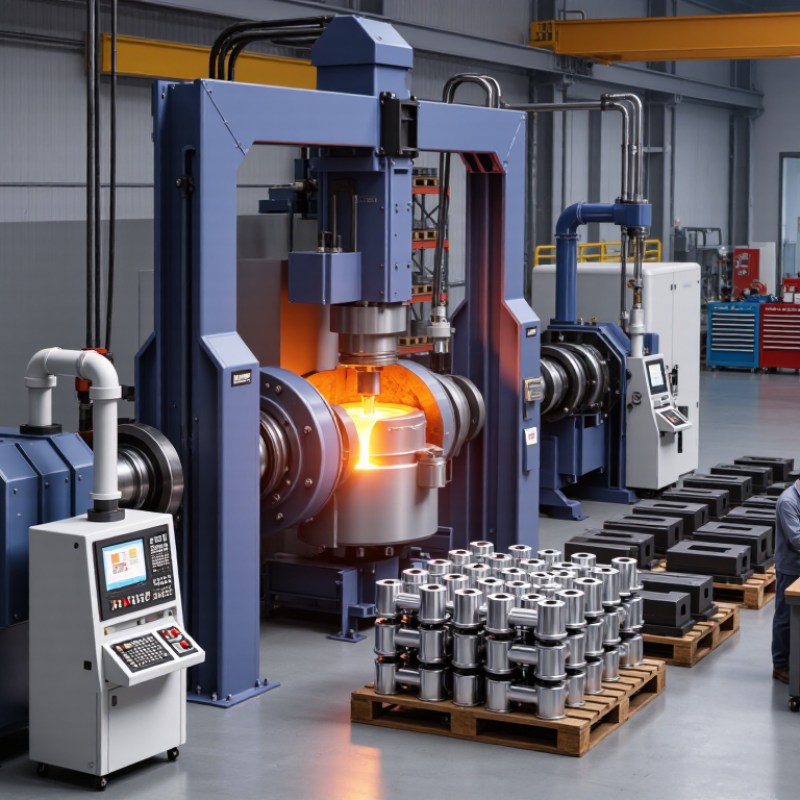
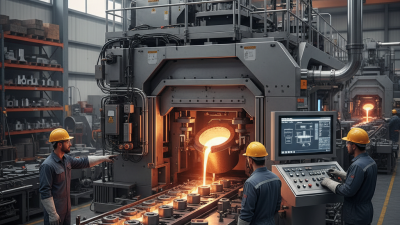
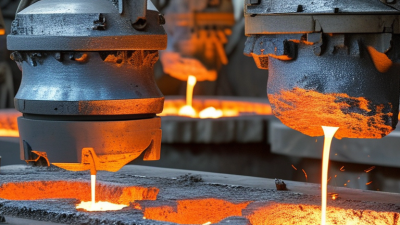
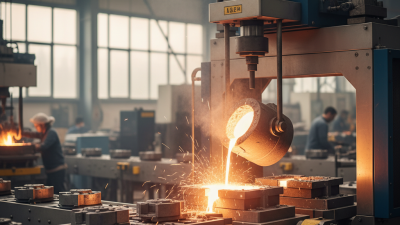
A metal casting machine is equipment that shapes molten metal into useful parts. It fills a prepared mold through controlled pouring or injection. The machine manages temperature, pressure, timing, and cooling. These controls help reduce shrinkage, air pockets, and uneven surfaces. Common systems include gravity casting, pressure die casting, and centrifugal casting. Each method suits different metals, mold designs, and production volumes.
In practical workshops, operators check the melt temperature before every batch. A small temperature error can change the final strength and surface finish. The mold must also be clean, dry, and correctly aligned. Sensors may record pressure and cycle time, while hydraulic or electric systems control movement. Still, automation does not remove every risk. I have seen excellent equipment produce poor parts when vents were blocked. That detail is easy to overlook. Machine selection should consider alloy type, part size, tolerance, energy use, and maintenance access. Clear manuals and traceable inspection records also support reliable operation.
Tips: Check the machine’s working range against your actual parts. Ask about mold change time and spare components. Inspect seals, nozzles, clamps, and temperature sensors regularly. Keep casting records, even when production seems stable. A short trial run can reveal problems that specifications miss.
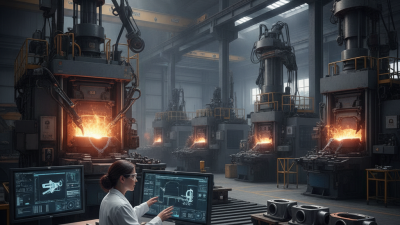
China produces several metal casting machine types for different alloys, shapes, and production volumes. Die casting machines use steel dies and high pressure to form aluminum, zinc, or magnesium parts. They suit automotive housings, handles, and other detailed components. Sand casting machines support larger products and flexible designs. Their patterns are easier to change, but surface finishes often require machining.
Investment casting equipment creates accurate parts with complex passages and thin walls. Gravity casting machines fill reusable molds without extreme pressure. Low-pressure casting systems push molten metal gently upward, reducing turbulence and improving consistency. Centrifugal casting machines rotate molds for rings, tubes, and similar products. Each process has limits. A low-cost machine may still create expensive defects.
Tips: Confirm clamping force, furnace capacity, mold size, control accuracy, and spare-part access. Request sample castings using your actual alloy and design. Check cycle time, temperature records, safety guarding, and operator training. A serious supplier should explain maintenance intervals and inspection methods clearly. Do not rely on polished videos alone. Ask for test reports, factory photographs, and references from comparable applications. The best choice depends on part weight, tolerances, annual output, and available technical skills. Small details matter.
Chinese metal casting machines are typically built through a controlled chain of casting, machining, assembly, and validation. Steel frames or iron bases are stress-relieved before precision machining. Critical surfaces are checked with coordinate measuring equipment, while hydraulic and electrical systems receive separate inspections.
In practice, a clean machine floor matters. Dust near guide rails can become an expensive defect.
The Modern Casting 2023 World Census reported about 109.7 million tonnes of global castings in 2022, with China contributing approximately 51.9 million tonnes.
This production scale supports broad manufacturing experience, but volume does not guarantee consistency. Engineers should review material certificates, heat-treatment records, and component traceability.
ISO 12100 principles guide machinery risk assessment, while ISO 230-2 provides methods for evaluating positioning accuracy and repeatability.
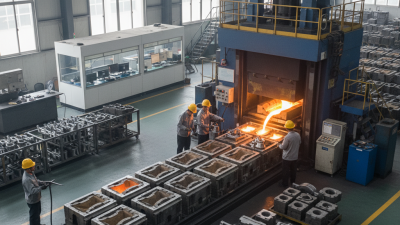
Factory acceptance testing often includes dry runs, emergency-stop checks, temperature monitoring, and trial castings under specified process conditions. Dimensional reports may use CMM results, and sample castings can undergo tensile, hardness, or metallographic tests under ASTM procedures.
Small details matter. A loose thermocouple can distort an entire test record.
Testing is not always perfect, either. Some suppliers may repeat a trial only after adjusting parameters, which requires honest documentation and independent review. Buyers should request raw test data, not only polished certificates.
Images help, but measured evidence is stronger.
Choosing the best Chinese metal casting machine supplier requires more than comparing quotations. The real test is whether the supplier understands your alloy, part geometry, and production rhythm. A serious technical team should ask about wall thickness, porosity targets, clamping force, injection pressure, and cycle time. Vague questions are a warning sign.
Request a sample study before placing a large order. The supplier should explain mold compatibility, cooling channels, ejection design, and expected material waste. Ask for a documented factory acceptance test using measurable results. Check shot stability, pressure curves, cycle duration, surface finish, and repeated casting quality. Photos are useful, but test records are stronger. A machine can look impressive and still perform poorly under continuous production.
Reliable suppliers also provide traceable components, clear manuals, spare-parts lists, and operator training. Confirm how quickly engineers respond when alarms appear during night shifts. Review installation plans, electrical requirements, maintenance intervals, and safety controls. Independent quality certificates can support credibility, but they should not replace practical inspection. No supplier is perfect. A small omission in a cooling channel may become expensive later. I would also question any quotation that hides testing costs, software limits, or delivery responsibilities. Speak with recent customers when possible. Their comments about downtime often reveal more than a polished presentation.
China Best Metal Casting Machine Supplier?
A low machine price can hide expensive installation, training, and maintenance costs. Buyers should compare the total cost of ownership, not only the quotation. Check energy use, mold compatibility, cycle time, spare parts, and shipping terms. Ask for a written breakdown. Vague figures deserve caution.
Service quality often separates a reliable supplier from a risky one. Request commissioning support, operator training, response-time commitments, and warranty conditions. Ask whether technicians can diagnose faults remotely. Also, confirm spare-part availability and expected delivery times. A polished sales call proves little. Practical documentation matters more.
Certifications require careful checking. Verify the certificate scope, machine model, issuing organization, and expiry date. Safety compliance should match the destination market. Request inspection records, factory testing results, and references from comparable foundries. Site visits can reveal details that brochures omit. No comparison method is perfect. I have seen buyers focus too heavily on price and regret ignoring service access. A better review uses a scoring sheet, but personal judgment still matters. Reliable suppliers answer difficult questions clearly, even when the answer is inconvenient.