What Is Casting Equipment?
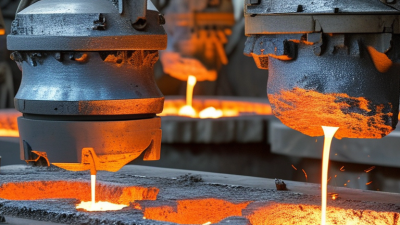
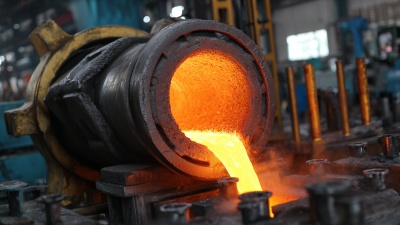
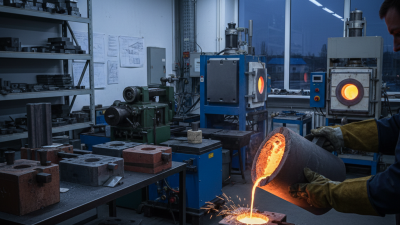
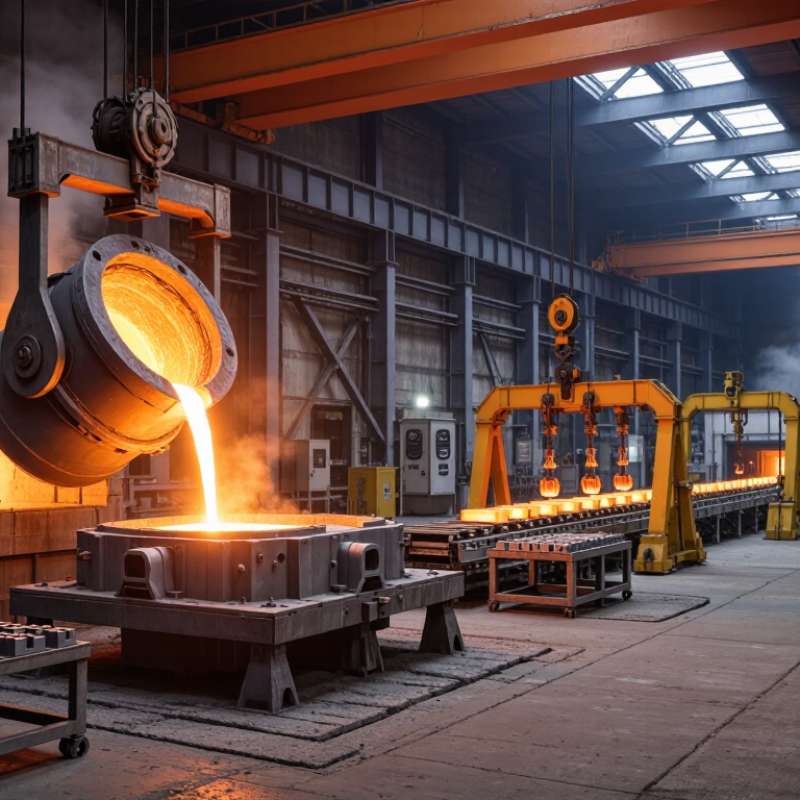
Casting Equipment is the machinery and tooling that turns molten metal into usable components. It includes furnaces, ladles, molds, pattern systems, pouring units, and cleaning equipment. In a foundry, each piece has a visible job: a ladle carries glowing metal, while a mold defines the shape and helps control cooling. Together, these tools influence production speed, dimensional accuracy, surface finish, and workplace safety.
The commercial stakes are substantial. Grand View Research valued the global metal casting market at USD 150.2 billion in 2023 and projected continued growth through 2030. That figure describes the casting market, not equipment sales alone. Still, it signals why manufacturers invest in reliable, well-matched systems. A machine’s capacity matters, but so do alloy type, batch size, mold design, and maintenance needs.
Casting metallurgist John Campbell, author of Complete Casting Handbook, emphasizes the importance of understanding molten-metal behavior and solidification. A practical summary of his published guidance is simple: control the metal, and casting quality becomes more predictable. Not guaranteed. That distinction matters. No single machine fixes poor process planning, and equipment lists can vary widely between foundries. This guide explains what Casting Equipment includes, how its main categories work, and which factors help buyers assess a system. Expect practical trade-offs, not a one-size-fits-all answer.
Definition and Purpose of Casting Equipment
What Is Casting Equipment?
Definition and Purpose of Casting Equipment
Casting equipment includes the machines and tools used to turn molten material into solid components. It may include melting furnaces, ladles, molds, sand-mixing systems, pouring equipment, and cooling or cleaning units. Together, these tools control how material is prepared, shaped, and handled. Their purpose is practical: fill a mold consistently, limit defects, and produce parts that meet required dimensions. The American Foundry Society’s 2021 Census of World Casting Production estimated 105.5 million metric tonnes of castings worldwide in 2020. That scale helps explain why reliable process control matters across foundries.
Equipment selection depends on the alloy, part size, production volume, and chosen casting method. A small mold may need careful manual pouring; a larger production line may use mechanized handling and temperature monitoring. These systems do not remove every source of variation. A damp sand mixture or a delayed pour can still affect the finished surface. The process is less tidy than a diagram suggests.
Tips: Check melt temperature, mold condition, and material flow before each pour. Record readings. Small notes can reveal recurring defects, though they rarely explain everything on their own.
How Casting Equipment Supports the Casting Process
What Is Casting Equipment?
How Casting Equipment Supports the Casting Process
Casting equipment includes the machines and tools that prepare metal, form molds, pour molten material, and finish cast parts. A furnace controls melting; ladles move metal; molding systems shape cavities; and shakeout equipment separates castings from sand.
The 2022 Census of World Casting Production, published by Modern Casting, reported about 109.5 million metric tons of castings worldwide. That scale makes reliable coordination important.
Equipment supports each stage by controlling temperature, timing, and material flow. For example, a pouring system must deliver metal steadily into the mold, while sensors can help operators monitor furnace temperatures. After cooling, conveyors and finishing tools help move and clean castings for inspection. A mismatch between equipment capacity and production needs can cause delays or inconsistent results.
One often-overlooked detail is the handoff between stages; a fast molding line cannot help if pouring becomes a bottleneck.
Tips: Match equipment capacity to the part size, alloy, and expected output. Check temperature readings and maintenance records regularly. Small details matter. In practice, even a well-planned setup may need adjustment after operators observe how metal fills the actual mold.
Major Types of Casting Equipment
What Is Casting Equipment?
Major Types of Casting Equipment
Casting equipment includes the machines and tools used to melt metal, shape it, and prepare the finished part. The right setup depends on the alloy, casting method, and required production volume. Small details matter.
Melting furnaces bring metal to a controlled temperature. Induction furnaces heat it using an electromagnetic field, while fuel-fired furnaces use combustion. Crucibles hold molten metal during melting and transfer. Pouring ladles guide the flow into molds; a steady pour helps reduce turbulence and trapped air.
Molding equipment varies by process. Sand casting uses flasks, patterns, and sand-mixing systems to form cavities. Die-casting machines force molten metal into reusable metal dies under pressure, making them suited to repeated, detailed parts. Centrifugal casting equipment spins a mold so the metal spreads along its inner surface. Core-making tools create hollow sections. Finishing equipment, such as grinders and shot-blasting machines, removes gates, rough edges, and surface residue.
A tidy equipment list can be misleading. A poorly vented mold may cause defects even when the furnace works well. Inspection tools, including calipers and gauges, help check dimensions after cooling. The best choice is not always the largest machine. It must match the part and the process.
Key Components and Their Functions
What Is Casting Equipment?
Key Components and Their Functions
Casting equipment includes the tools that prepare molten material, guide it into a mold, and control cooling. A furnace heats the metal, while a crucible holds it during melting. Temperature controls help operators maintain a suitable range for the alloy. Readings can vary, so the display should not be treated as the only sign of readiness.
A ladle transfers molten metal from the furnace to the mold. The mold gives the part its shape, and its material must tolerate the heat and suit the casting process. Channels called sprues and runners guide the pour; gates direct it into the cavity. Vents let trapped air escape. Clamps keep mold sections aligned, though small shifts can still leave a visible seam. Fit matters. Inspection helps catch defects before they become costly.
Tips: Check the mold for cracks and clear vents before pouring. Keep tools dry, and use protective equipment suited to the process. Record temperature and casting results; patterns in those notes can reveal where a setup needs adjustment.
What Is Casting Equipment? Key Components and Their Functions
Casting equipment melts metal, transfers it safely, shapes it in a mold, and supports cooling and finishing. The chart compares approximate melting points for common casting metals, a key factor when selecting a melting furnace and its refractory lining.
Key components: A melting furnace heats the metal; a ladle transfers and pours it; the mold forms the part; the gating system guides molten metal into the mold; and shakeout and finishing equipment separate and clean the casting.
Melting points are approximate representative values; exact temperatures vary by alloy. Pouring temperatures are typically higher than melting points.
Factors That Guide Equipment Selection
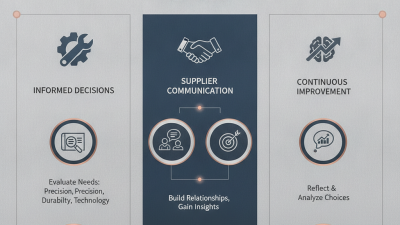
Casting equipment selection starts with the alloy, part geometry, and production demand. A small aluminum housing needs different controls from a thick iron pump body. Match furnace capacity and pouring method to the metal’s temperature range and required melt volume. Oversizing can waste energy; undersizing can slow production.
Mold-making equipment matters too. Sand systems, permanent molds, and investment processes require different tooling, handling, and operator skills. Check part dimensions, mold weight, and floor space before comparing machine ratings. A machine may meet its listed capacity yet block crane access or make routine maintenance awkward. That happens more often than expected.
Quality targets should guide the level of process control. For thin walls or tight dimensions, assess temperature monitoring, repeatable dosing, and inspection tools alongside the casting machine. Ask operators about noise, cleaning time, and changeovers; these details shape daily performance. Budget for consumables, training, and service, not just the purchase price. A pilot run may expose assumptions that need revisiting.

 +86-13516964051


 CONTACT NUMBER
 CONTACT NUMBER