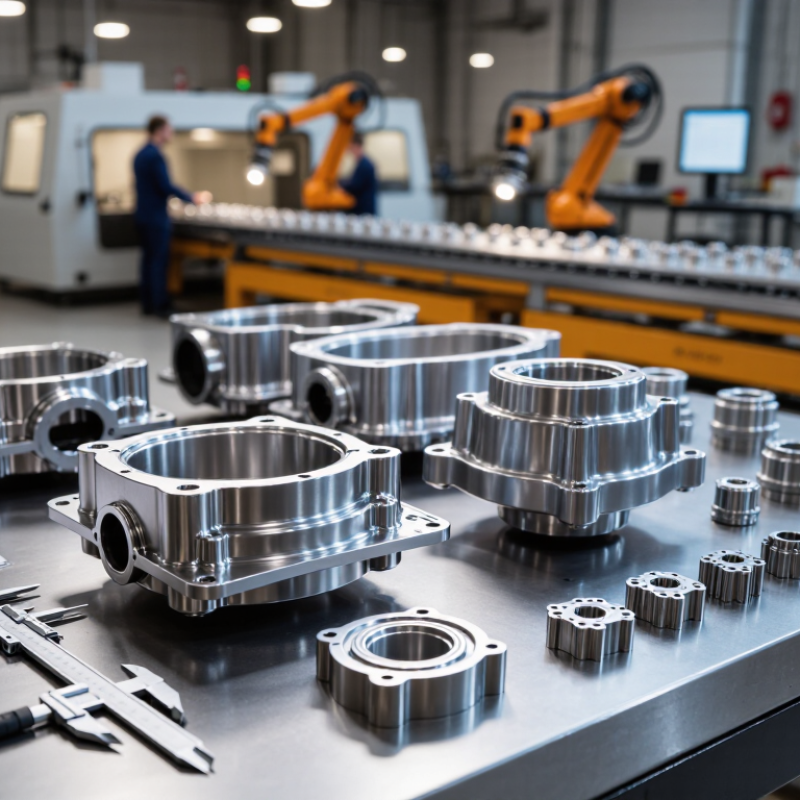
Leave Your Message

How to Source Die Cast Car Parts in 2026?

Sourcing Die Cast Car Parts in 2026 requires more than comparing prices on supplier websites. Buyers must examine alloy grades, tooling capacity, dimensional control, surface treatment, and delivery reliability. A polished sample can hide weak internal structure. That mistake becomes expensive.

Casting researcher and author John Campbell has written, “The quality of a casting is determined by the quality of the liquid metal from which it is made.” His principle remains highly relevant. Suppliers should explain their melting controls, degassing methods, and inspection records. Ask for material certificates, first-article reports, and photographs of actual production lines. Do not rely only on a catalog image.

A practical sourcing process begins with a clear technical brief. Include part drawings, tolerances, annual volume, expected service conditions, and finishing requirements. Then compare at least three qualified manufacturers. Review their experience with automotive housings, brackets, covers, or miniature components. Die Cast Car Parts may look simple, yet thin walls and hidden porosity can affect assembly strength.

Factory audits add useful evidence. Watch how operators check die temperature, shot speed, trimming, and leakage. Small details matter. Still, no sourcing plan is perfect. Supplier data may be incomplete, and a first sample may not represent long-term production. That uncertainty deserves attention, not optimism. A controlled pilot order, independent testing, and measurable acceptance criteria can reduce risk while preserving cost efficiency. In 2026, the strongest sourcing decisions will balance price, engineering evidence, traceability, and honest communication.

How to Source Die Cast Car Parts in 2026?

Define Die Cast Car Part Requirements and Technical Specifications

How to Source Die Cast Car Parts in 2026?

Defining requirements is the real starting point for sourcing die cast car parts. Record the alloy, part weight, wall thickness, draft angle, and dimensional tolerances. Also specify porosity limits, surface finish, heat treatment, and inspection methods. A vague drawing creates expensive arguments later.

The U.S. Department of Energy reports that reducing vehicle weight by 10% can improve fuel economy by 6–8%. This makes alloy selection and structural efficiency practical sourcing decisions, not cosmetic preferences.

NADCA’s Product Specification Standards emphasize measurable requirements for dimensions, casting quality, and post-casting processes. Use these standards when preparing the technical data package.

Include 3D files, 2D drawings, critical-to-function dimensions, and acceptable defect limits. State whether X-ray inspection, leak testing, or tensile testing is required. Suppliers should also confirm tooling life, cycle time, and expected scrap rates. These details expose hidden costs before quotation.

Ask for sample inspection reports from comparable production parts. Check measurement equipment calibration and traceability records. I would not approve a supplier from a polished sample alone.

One sample can hide unstable filling or inconsistent porosity. Define the validation plan before tooling begins, including trial quantities and approval gates.

Some specifications may still be incomplete. That is normal, but leaving them unclear will weaken cost, quality, and delivery control.

Identify Qualified Suppliers and Manufacturing Regions

Sourcing die cast car parts in 2026 starts with regional capability, not the lowest quotation.

The U.S. Geological Survey’s Mineral Commodity Summaries 2025 reports China produced about 43 million metric tons of primary aluminum in 2024. India produced roughly 4.2 million tons, while Russia and Canada each exceeded 3 million tons. These figures indicate metal access, but they do not prove die casting expertise. A qualified supplier must also show stable alloy control, mold maintenance, vacuum capability, and documented process trials.

I would screen suppliers across established manufacturing regions in East Asia, South Asia, Eastern Europe, and North America.

The World Bank’s Logistics Performance Index 2023 shows meaningful differences in customs reliability, infrastructure, and shipment tracking between countries. That matters when a mold weighs several tons and replacement parts cannot wait for unclear clearance procedures. Ask for recent evidence: dimensional reports, porosity results, tensile data, heat-treatment records, and photographs of production cells. A video call is useful, but an audited site visit is stronger.

Capacity claims need careful testing.

The supplier should run your alloy, wall thickness, and cycle requirements before nomination. I have seen attractive samples hide unstable filling near ribs and mounting bosses. That weakness may appear only after machining. Request three consecutive trial lots, not one polished sample. Keep a second qualified region for critical parts. It costs more initially, yet it reduces exposure to port delays, energy restrictions, labor shortages, and sudden tooling problems. Forecasts should also include furnace availability and recycled-content controls, because material consistency can quietly affect fatigue performance.
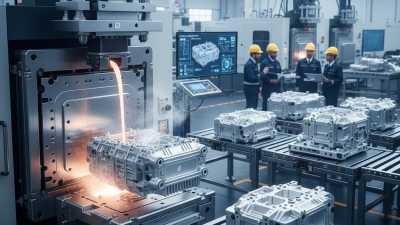

Compare Materials, Tooling, Quality Standards, and Pricing

How to Source Die Cast Car Parts in 2026?

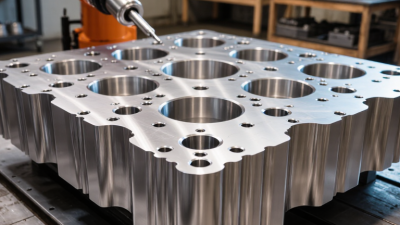
Material selection affects weight, detail, cycle time, and final price. Aluminum suits lightweight housings and structural components. Zinc delivers sharp details and strong dimensional stability. Magnesium can reduce mass further, but it demands tighter process control.

The International Aluminium Institute reports that recycled aluminum uses about 5% of the energy required for primary aluminum. That difference can influence both sustainability reporting and material negotiations.

Tooling changes everything.

A simple mold may cost several thousand dollars, while complex multi-slide tooling can reach tens of thousands. Ask for tool-life estimates, maintenance rules, cavity layouts, and ownership terms. Tooling is expensive. A low opening quote may hide machining, polishing, or revision charges. Include prototype runs and spare inserts in the RFQ. This is where many sourcing plans become unrealistic.

Quality requirements should be measurable. ISO 9001 supports controlled processes, while IATF 16949 is more suitable for automotive supply chains.

The ISO Survey 2023 recorded over 1.26 million ISO 9001 certificates worldwide, but certification alone does not guarantee good castings.

Request capability studies, X-ray or CT inspection plans, porosity limits, alloy certificates, and traceability records. Compare prices using the same assumptions: alloy index, annual volume, tooling amortization, inspection level, packaging, and freight. The comparison will not be perfect. It should still expose weak assumptions before production starts.

Verify Samples, Production Capability, and Supplier Compliance

Sourcing die-cast car parts in 2026 requires more than a polished supplier catalog. Verify every sample against the drawing, material specification, and approved finish. Check dimensions with calibrated gauges, especially mounting holes, clips, and moving joints. Photograph each sample before approval. Keep one sealed reference sample for production comparisons.

I once accepted a promising sample after checking only its appearance. The first production batch exposed loose tolerances and uneven paint. That shortcut looked efficient. It was not. Ask suppliers for capability data, including machining accuracy, casting capacity, mold maintenance, and inspection frequency. Review their process flow on the factory floor, not only in a presentation. Small details matter, such as clean storage racks and labeled inspection tools.

Supplier compliance also needs evidence. Request current records for material composition, product safety testing, environmental controls, worker protection, and responsible waste handling. Confirm that documents match the actual production site. Requirements vary by destination market, so identify them before placing an order. Use lot codes, inspection reports, and shipment records to maintain traceability. An independent laboratory can verify critical results when internal reports seem incomplete. Be careful with translated documents. A small wording error may hide a major requirement. Reliable sourcing is built through repeated checks, honest communication, and documented corrections.

Manage Orders, Inspections, Shipping, and Long-Term Supply

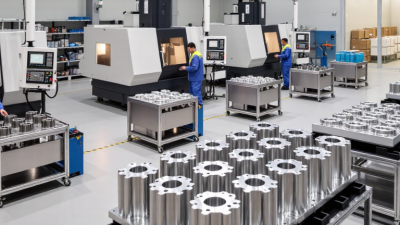
Sourcing die-cast car parts in 2026 requires more than finding a low quotation. I manage each order through a written specification covering alloy grade, dimensions, surface finish, tooling ownership, and packaging. A shared order sheet records revisions, quantities, approved samples, and delivery dates. This prevents a small drawing change from becoming a costly production dispute. I also ask suppliers for process evidence, not attractive promises. Recent inspection reports, equipment lists, and traceable material records reveal more than a polished sales presentation.

Inspections should happen before shipment, not after parts reach the assembly line. I use first-article checks for critical dimensions, then sample inspections during production. Inspectors compare calipers, gauges, photographs, and defect limits against the approved sample. Typical concerns include thin walls, flashing, porosity, uneven plating, and damaged threads. A clear nonconformance report identifies the defect, quantity, cause, and corrective action. One weakness remains: sampling can miss hidden defects. For demanding parts, independent testing may be worth the extra cost.

Shipping needs the same discipline. Each carton should show part number, batch code, quantity, and handling instructions. I confirm loading photos, export documents, insurance responsibility, and the agreed delivery term before dispatch. Buffer stock protects production when ports, weather, or rework cause delays. Long-term supply depends on quarterly performance reviews, capacity checks, and backup tooling plans. Our first forecast was wrong. Demand rose faster than expected, and the supplier struggled. We now review forecasts monthly and keep safety stock for high-risk parts. Still, I question every “stable” supply promise until data supports it.