+86-13516964051


Choosing the right aluminium die supplier can shape product quality, delivery stability, and long-term manufacturing costs. Global buyers need more than attractive quotations. They need verified production experience, consistent material control, and clear communication from design review to shipment. This guide explores why China remains an important sourcing base for precision aluminium dies and how buyers can assess suppliers with confidence.
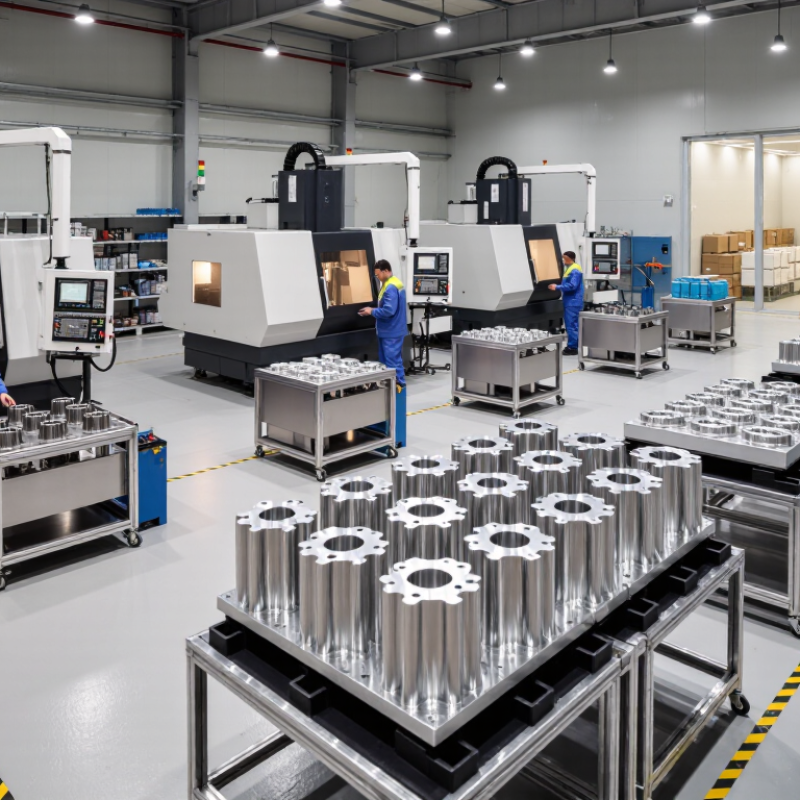
Reliable suppliers usually provide technical drawings, alloy recommendations, mould-flow feedback, and sample inspection reports. Their workshops should show CNC machining equipment, heat-treatment controls, surface-finishing areas, and measurable quality checkpoints. Ask how they manage dimensional tolerance, porosity risks, tool wear, and replacement parts. Small details matter. A clean test sample is useful, but stable results across repeated batches matter more. The term Dies Aluminium may appear in international searches, although professional suppliers normally discuss aluminium dies, die casting dies, or tooling systems according to the application.
A trustworthy partner also explains lead times without hiding difficult stages. They should identify design changes, trial production, corrective work, and final inspection clearly. Certifications can support credibility, but documents alone do not prove daily performance. Request references, inspection records, packaging photos, and a realistic communication plan. Buyers should also review export experience and after-sales support before placing an order. Some suppliers may promise everything. That deserves careful questioning. A practical evaluation process, supported by samples and transparent evidence, helps global companies select a China aluminium dies supplier with stronger reliability and fewer surprises.
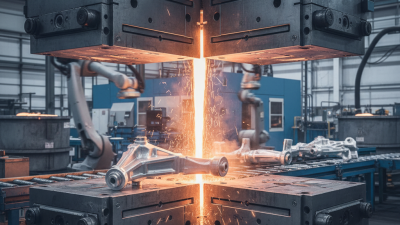
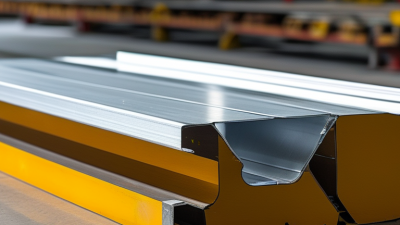
Aluminium dies are precision tools that shape aluminum under pressure, heat, or both. They are usually made from hardened tool steel, not aluminum itself. Die casting dies form molten aluminum into housings, brackets, and thin-walled components. Extrusion dies push heated billets through a shaped opening, producing channels, frames, and rails.
The process demands accurate temperature control. A die may include cooling channels, vents, ejector pins, and carefully measured draft angles. Small errors can cause porosity, flash, cracking, or difficult part removal. USGS Mineral Commodity Summaries 2024 estimated global aluminum smelter production at about 70 million metric tons in 2023. That scale increases pressure for tooling that lasts longer and reduces material waste.
The tool is only part of the result. Alloy selection, filling speed, lubrication, and maintenance also matter. International Aluminium Institute research indicates aluminum demand could rise by roughly 80% by 2050 from 2020 levels. More demand may encourage faster die cycles, but speed can shorten tool life. That trade-off is easy to underestimate. In practical production, checking polishing quality, cooling balance, dimensional records, and repair history helps buyers compare suppliers reliably. A die that looks excellent after machining may still fail during repeated thermal cycling. Experience matters here.
China has become a major aluminium dies manufacturing hub because its industrial supply chain is unusually complete. Tooling workshops, aluminium foundries, CNC machining plants, heat treatment facilities, and inspection laboratories often operate within the same region. This shortens communication time and reduces transportation between production stages. For global buyers, that can support competitive pricing without removing the need for careful supplier evaluation.
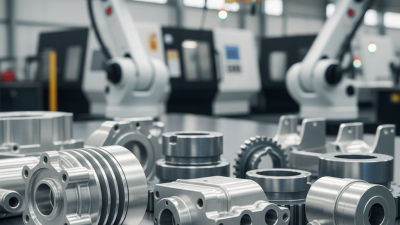
Experienced manufacturers usually begin with product drawings, alloy requirements, cooling channels, and expected production volume. Engineers then review shrinkage, wall thickness, ejection points, and die life before machining begins. Modern equipment can produce precise cavities and polished surfaces, while coordinate measuring machines verify critical dimensions. Material certificates, trial casting reports, and process records also improve traceability. These details matter when a die must produce consistent parts across thousands of cycles.
However, China’s manufacturing capacity is not automatically equal everywhere. A clean showroom proves little. Buyers should request sample inspection data, maintenance procedures, and realistic lead times. I have found that early technical discussions often reveal more than a low quotation. Some suppliers communicate well but document poorly. Others provide excellent machining yet overlook cooling efficiency. No factory is perfect. A reliable partner should acknowledge these weaknesses, explain corrective actions, and welcome independent quality checks before shipment.
| Evaluation Dimension | Verified Data or Technical Fact | Importance for Global Buyers | Reference or Standard |
|---|---|---|---|
| Primary Aluminium Supply | China produced approximately 41.5 million metric tonnes of primary aluminium in 2023, representing about 59% of estimated global production. | A large domestic aluminium supply base can support stable material availability and shorter procurement routes for die-casting manufacturers. | U.S. Geological Survey, Mineral Commodity Summaries 2024 |
| Common Die-Casting Alloys | A380 and ADC12 are widely used aluminium die-casting alloy designations. They provide a practical balance of castability, strength, corrosion resistance, and machinability. | Buyers should specify the required alloy designation, chemical composition, mechanical properties, and applicable national standard before production. | ASTM B85/B85M; JIS H 5302 |
| Aluminium Melting Point | Pure aluminium melts at approximately 660.3°C. Actual furnace and casting temperatures vary according to alloy composition, equipment, and process conditions. | Controlled temperature management helps reduce oxidation, gas porosity, cold shuts, and inconsistent filling during die casting. | Standard thermophysical data for aluminium |
| High-Pressure Die-Casting Pressure | Typical high-pressure die-casting injection pressures are commonly within approximately 30–150 MPa, depending on machine size, alloy, part geometry, and filling requirements. | The selected pressure range affects surface quality, dimensional stability, thin-wall filling, and the risk of flash or internal defects. | Typical industry process range; project-specific validation required |
| Die Material | Hot-work tool steels such as H13-type grades are commonly used for aluminium die-casting dies because of their hot-strength, thermal-fatigue resistance, and toughness. | Die material and heat treatment influence tool life, thermal cracking resistance, maintenance frequency, and total tooling cost. | ASTM Aھي681; applicable hot-work tool-steel specifications |
| Dimensional Control | Die-cast dimensions are affected by alloy shrinkage, die temperature, injection parameters, cooling conditions, and post-machining. Tolerances must be agreed on the drawing. | Using a recognized casting-tolerance system and clearly separating as-cast from machined dimensions reduces disputes during inspection and acceptance. | ISO 8062-3; customer-approved engineering drawing |
| Typical Quality Verification | Production inspection may include chemical composition testing, dimensional measurement, visual inspection, leak testing, mechanical testing, X-ray or CT examination, and surface-finish verification. | A control plan linked to the critical characteristics of the part provides stronger evidence of repeatability than visual inspection alone. | ISO 9001 quality-management principles; project-specific inspection plan |
| Surface Finishing Options | Common finishing routes include trimming, deburring, shot blasting, polishing, machining, powder coating, liquid painting, anodizing, and conversion coating. | The selected finish should match the alloy, appearance requirement, corrosion environment, dimensional allowance, and intended service life. | Applicable customer specification and finishing-process standard |
| Recycled Aluminium Potential | Recycling aluminium requires up to approximately 95% less energy than producing primary aluminium from ore, although the exact saving depends on collection and processing conditions. | Buyers can request recycled-content declarations, scrap segregation controls, and material traceability to support sustainability reporting. | International Aluminium Institute |
| Supplier Qualification Documents | A robust sourcing package normally includes alloy certificates, process-flow documentation, tooling drawings, dimensional reports, inspection records, non-conformance procedures, and traceability information. | Documented controls make it easier to compare suppliers objectively and manage approval, repeat orders, and corrective actions across international projects. | Buyer quality agreement and applicable ISO-based procedures |
Note: Technical ranges are general industry planning values. Final alloy, die design, process parameters, tolerances, inspection methods, and acceptance criteria should be confirmed through the approved product drawing and quality agreement.
A capable aluminium dies supplier should prove process control, not only show polished photographs. The International Aluminium Institute reported 70.6 million tonnes of global primary aluminium production in 2023. That scale increases pressure on die accuracy, repeatability, and delivery planning. Ask for material certificates, heat-treatment records, and inspection reports for comparable dies. Look for measured results, not promises.
Review the supplier’s engineering workflow closely. Can its team convert drawings into realistic draft angles, cooling channels, and machining allowances? Request a sample dimensional report using calibrated equipment. The 2023 NADCA Product Specification Standards emphasize casting consistency, dimensional control, and documented quality practices. These principles also help evaluate dies used for aluminium forming. Check cavity life estimates, repair procedures, spare inserts, and trial-shot records. Details matter.
Visit the factory remotely or in person, if possible. Observe tool storage, CNC maintenance, surface finishing, and final inspection. A supplier that cannot explain tolerance deviations may create expensive surprises. I have seen buyers focus too heavily on unit price. That is risky. A cheaper die can demand more polishing, longer trials, and repeated modifications. Still, no supplier is perfect. Ask how it records mistakes and improves after failed trials. That answer may reveal more than a sales presentation.
Global buyers should judge aluminium dies through documented controls, not polished samples. The International Aluminium Institute reported about 70.6 million tonnes of primary aluminium production in 2023. Such scale makes traceability essential. Ask for material certificates, heat numbers, and controlled records for tool steel, inserts, and heat treatment.
ISO 9001 is a useful baseline, and the ISO Survey has reported more than one million valid certificates worldwide. Certification alone proves little. Check whether the supplier applies it to die design, machining, inspection, and corrective action. For automotive work, IATF 16949 controls can indicate stronger process discipline. Review calibration records, capability studies, and revision control. Short reports help.
The die should also match recognized technical requirements. ASTM B85 covers aluminium-alloy die castings, while NADCA specifications provide practical guidance on dimensions, surface quality, and casting defects. Ask how the supplier measures flash, porosity, hardness, and cavity wear. Request CMM reports with datum references, not only photographs. Trial shots matter. Inspect first-off parts at the intended production temperature and pressure.
Do not ignore maintenance evidence. A reliable supplier should show shot-count history, cooling-channel checks, repair limits, and spare-part planning. In my experience, buyers sometimes overvalue a low quotation and undervalue repeatability. That is an uncomfortable mistake. A supplier may pass one inspection yet lack stable production data. Require retained samples, independent verification where risk is high, and clear acceptance criteria before production begins.
When comparing aluminium die suppliers, start with more than the quoted unit price. Ask for a written breakdown covering tooling, material, machining, inspection, packaging, and delivery. A low offer may exclude surface treatment or revision costs. Check the quotation carefully.
Customization reveals a supplier’s real capability. Request samples, tolerance data, alloy options, and production photographs. Discuss draft angles, wall thickness, cooling design, and expected die life before placing an order. Experienced engineers should explain trade-offs in clear language. If every answer sounds perfect, be cautious. Practical projects always involve limits.
Export service can protect your schedule and budget. Confirm Incoterms, lead time, crate specifications, customs documents, and cargo insurance responsibilities. Ask how the supplier handles damaged packages or delayed shipments. A reliable team should provide inspection records and regular progress updates. Communication matters across time zones. It prevents expensive surprises.
Do not compare prices alone. Build a simple table with total cost, delivery risk, customization depth, and after-sales support. Request references from similar overseas projects when possible. Independent inspection may add cost, but it can expose problems before shipment. My own sourcing reviews often improve after questioning the assumptions behind a quote. The cheapest option is not always inefficient, yet it deserves stronger verification.