Why Choose Aluminium for Your Global Sourcing Needs?
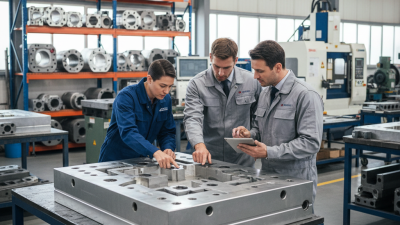
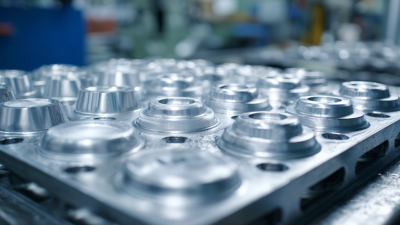
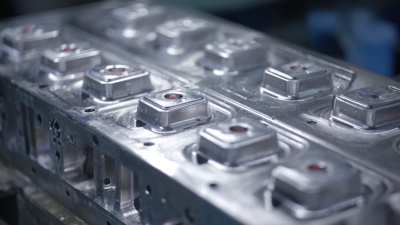
Choosing the right materials for global sourcing is crucial. Aluminium stands out due to its unique properties. It offers a lightweight alternative to heavier materials, enhancing efficiency in shipping and manufacturing. One of its key applications is in producing Dies Aluminium, which are essential in various industrial processes.
Aluminium is known for its durability and resistance to corrosion. This makes it a preferred choice for many industries, from automotive to aerospace. However, not all aluminium sources are created equal. It's vital to assess the quality and reliability of suppliers. Inconsistent material quality can lead to production issues and increased costs.
When considering aluminium for your sourcing needs, think about the suppliers' credentials. Reputation matters in ensuring that the product meets your standards. By prioritizing quality, businesses can optimize their operations and remain competitive. The potential of aluminium, particularly in applications like Dies Aluminium, warrants thorough research and careful selection.
Benefits of Aluminium in Global Sourcing: A Comprehensive Overview
Aluminium is increasingly popular in global sourcing due to its numerous advantages. It is lightweight yet strong. This makes it ideal for various industries, including automotive and aerospace. Additionally, aluminium offers excellent corrosion resistance. This property ensures longer product life and reduces maintenance costs.
Tip: Always consider the specific requirements of your project. The choice of aluminium alloy can impact performance. Some alloys excel in conductivity, while others focus on strength. Evaluate your needs before selection.
Sourcing aluminium can also be cost-effective. Its recyclability further enhances its appeal. Recycled aluminium uses up to 95% less energy than new production. However, sourcing might not be straightforward. Prices can fluctuate due to global demand. Keeping an eye on market trends is essential for strategic sourcing.
Tip: Build relationships with suppliers. Knowing your supplier’s capabilities can help in negotiations. A reliable partner ensures you receive quality materials consistently. This requires regular communication and feedback.
Key Properties of Aluminium That Enhance Supply Chain Efficiency
Aluminium has emerged as a preferred material in global sourcing due to its unique properties. One key advantage is its lightweight nature. According to a report by the Aluminium Association, transporting aluminium costs 13% less than heavier metals. This significantly reduces logistics expenses. Additionally, lighter materials can streamline operations, making handling and assembly easier.
Another vital property is aluminium's corrosion resistance. The material forms a protective oxide layer, extending its lifespan and reducing maintenance needs. Research indicates that structures made from aluminium can last up to 50 years with minimal degradation. This durability contributes to sustainability and lower replacement costs over time. However, sourcing aluminium must be carefully managed. Fluctuating global markets can impact pricing and availability, leading to potential supply chain challenges.
Moreover, aluminium's recyclability plays a critical role in enhancing supply chain efficiency. Nearly 75% of aluminium produced is still in use today, according to the International Aluminium Institute. This high recycling rate minimizes waste and promotes resource efficiency. While these properties offer numerous benefits, reliance on aluminium should be balanced with an understanding of market dynamics. This balance ensures resilience and adaptability in sourcing strategies.
Key Properties of Aluminium Enhancing Supply Chain Efficiency
Global Market Trends: Aluminium Demand and Supply Analysis
Aluminium is gaining traction in global markets due to its versatile applications. The demand for aluminium continues to grow across various industries, including automotive, construction, and packaging. Analysts project a steady increase in consumption, driven by the material’s lightweight nature and recyclability. This shift highlights the material's importance in sustainable practices.
Supply dynamics also play a critical role. Major producers are adapting to market shifts, but challenges remain. The geopolitical landscape affects trade policies and materials sourcing. Countries are tightening regulations and imposing tariffs. These changes can disrupt supply chains, making reliable sourcing even more challenging. Understanding these trends is essential for businesses looking to harness aluminium's potential.
However, not all developments are straightforward. Environmental concerns surround aluminium production, including energy consumption and emissions. Companies must navigate these complexities to ensure responsibly sourced materials. Evaluating suppliers for sustainability practices is increasingly vital. The balance between cost, quality, and ethical sourcing requires careful consideration. This reflection is necessary for making informed decisions in a rapidly evolving market.
Why Choose Aluminium for Your Global Sourcing Needs? - Global Market Trends: Aluminium Demand and Supply Analysis
| Region |
2019 Demand (Metric Tons) |
2020 Demand (Metric Tons) |
2021 Demand (Metric Tons) |
2022 Demand (Metric Tons) |
Projected 2023 Demand (Metric Tons) |
| North America |
4,500,000 |
4,200,000 |
4,800,000 |
5,200,000 |
5,500,000 |
| Europe |
6,000,000 |
5,800,000 |
6,200,000 |
6,500,000 |
6,800,000 |
| Asia-Pacific |
25,000,000 |
24,000,000 |
26,000,000 |
27,500,000 |
28,000,000 |
| Latin America |
1,500,000 |
1,400,000 |
1,600,000 |
1,700,000 |
1,800,000 |
| Middle East & Africa |
2,000,000 |
2,100,000 |
2,200,000 |
2,300,000 |
2,500,000 |
Cost-Effectiveness of Aluminium Compared to Other Materials
Aluminium stands out as an exceptional material for global sourcing due to its cost-effectiveness. It's lightweight but strong, making it ideal for transportation and manufacturing. This reduces shipping costs significantly. Many industries, like automotive and aerospace, favor aluminium for its energy efficiency. Lower energy consumption translates to reduced operational costs over time.
When compared to steel or plastic, aluminium often proves more economical. It can be recycled repeatedly without losing quality, reducing waste and raw material costs. However, initial pricing can be a concern for some businesses. It’s essential to weigh the long-term benefits against these upfront costs. A thorough analysis could reveal that aluminium is a sound investment.
Manufacturers sometimes overlook the processing costs. While aluminium is easier to mold and shape, complexity can lead to higher expenses. Understanding production needs is vital. Reflecting on these details can clarify whether aluminium fits into your sourcing strategy effectively.
Sustainability in Aluminium Production: The Future of Sourcing
Sustainability in aluminium production is increasingly vital for global sourcing. The industry has made notable strides toward greener practices. Modern methods use recycled materials, reducing the need for new extraction. Recycling aluminium saves energy and emits fewer greenhouse gases. This shift benefits both the environment and businesses seeking sustainable options.
Despite advancements, challenges remain. Some aluminium production processes still rely heavily on fossil fuels. Emissions from smelting and refining can be significant. It's crucial to choose suppliers committed to improving their environmental footprint. Transparency in sourcing practices is essential. Companies must evaluate their partnerships to ensure they align with sustainability goals.
Investing in sustainable aluminium not only helps the planet but can also enhance brand reputation. Consumers increasingly prefer environmentally responsible products. The ongoing focus on sustainability drives innovation in the industry. However, continual assessment and adaptation are necessary to achieve long-term goals. As the future of sourcing unfolds, companies must navigate these complexities thoughtfully.

 +86-13516964051


 CONTACT NUMBER
 CONTACT NUMBER