China Best Aluminum Die Casting Parts Manufacturer?
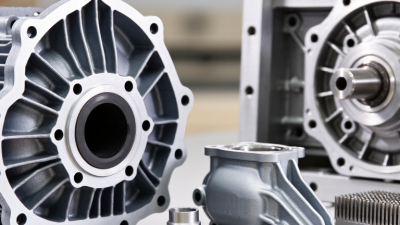
Choosing the China best Aluminum Die Casting Parts manufacturer requires more than comparing prices or viewing polished product photos. A dependable supplier should demonstrate practical experience with aluminum alloys, mold design, filling control, trimming, machining, and surface finishing. Look for evidence from real production projects, such as transmission housings, motor covers, brackets, and heat-sink components. Clear drawings, material certificates, inspection records, and traceable batch numbers also matter. These details show whether a manufacturer understands production beyond sales language.
Quality begins before molten aluminum enters the die. Engineers should review wall thickness, draft angles, shrinkage risks, and critical tolerances during design consultation. Experienced teams can identify problems before tooling costs increase. They should also explain porosity testing, dimensional inspection, and sample approval in plain terms. Ask how many trial shots are included. Ask what happens when samples fail. Small details reveal reliability.
No supplier is perfect.
A strong manufacturer communicates delays honestly and documents corrective actions. Independent audits, recognized quality systems, and consistent inspection methods can strengthen confidence, but certificates alone prove little. Factory visits, video inspections, and pilot orders provide more practical evidence. The best partner may not offer the lowest quote. It should offer stable quality, realistic lead times, responsive engineering support, and careful protection of customer drawings. Some evaluations remain uncertain, especially when production data is limited. That uncertainty deserves attention, not exaggeration. This guide examines the capabilities, processes, and service standards that help buyers identify a trustworthy China-based manufacturer for long-term Aluminum Die Casting Parts projects.
What Defines a Leading Aluminum Die Casting Parts Manufacturer in China?
What Defines a Leading Aluminum Die Casting Parts Manufacturer in China?
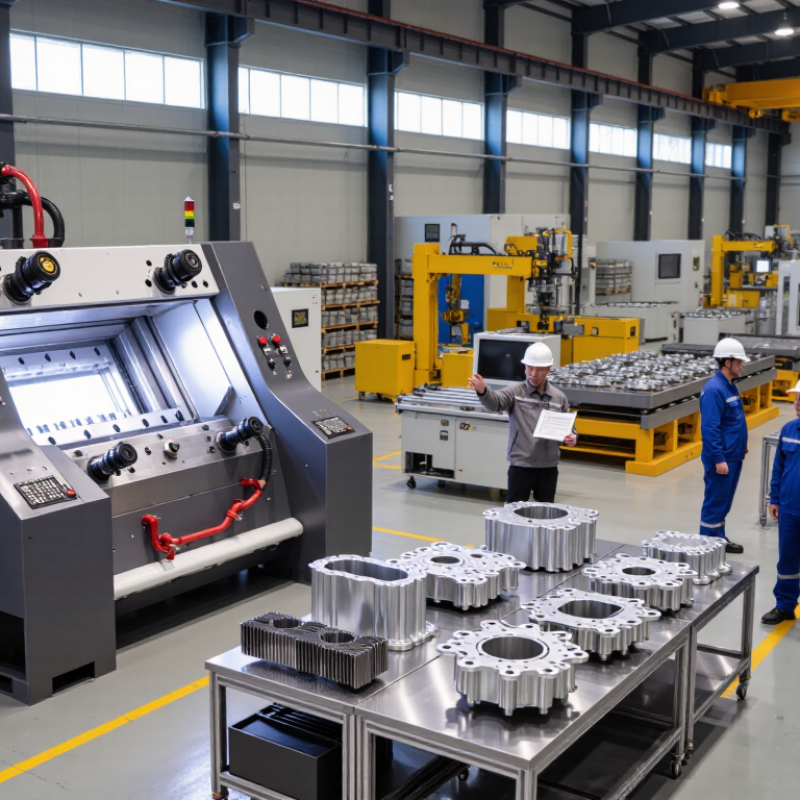
A leading Chinese manufacturer combines process control with practical production experience. The International Aluminium Institute reported 70.6 million tonnes of primary aluminium production in 2023. That scale increases material access, but it does not guarantee better castings. Quality depends on alloy verification, melt temperature, injection speed, and die maintenance. Experienced engineers review wall thickness, draft angles, and shrinkage risks before tooling begins.
Precision matters.
Reliable factories use spectrometers, coordinate measuring machines, and X-ray or CT inspection when required. They record furnace conditions, batch numbers, pressure settings, and dimensional results. ISO 9001 supports controlled procedures, while IATF 16949 is valuable for automotive programs. The Ducker Carlisle 2020 North American Light Vehicle Aluminum Content Study projected aluminum content to reach 514 pounds per vehicle by 2026. This trend increases demand for lightweight, repeatable structural and powertrain components.
A capable supplier also understands what can go wrong. Porosity may remain hidden after machining. A beautiful surface can conceal weak internal areas. I would question any factory promising zero defects without explaining its sampling plan. Clear corrective-action reports, first-article approval, and stable lead-time records reveal more than polished presentations. Cost still matters, but the lowest quotation may exclude tooling repairs, testing, or secondary finishing. That is where many projects become expensive.
How Aluminum Die Casting Parts Are Designed and Engineered
How Aluminum Die Casting Parts Are Designed and Engineered
A reliable aluminum die casting part begins with its working conditions, not just a drawing. Engineers define loads, temperature, corrosion exposure, and assembly points before shaping the model. A housing near a motor may need ribs, mounting bosses, and controlled wall thickness. These details reduce vibration and prevent unnecessary metal use.
The design team then checks draft angles, fillets, and metal flow. Draft helps the part leave the die without damage. Rounded corners reduce stress concentration and improve filling. Most sections stay consistent in thickness, often around 2 to 4 millimeters, depending on the alloy and geometry. Simulation can reveal air traps, cold shuts, and shrinkage risks before tooling begins.
Useful evidence.
Tooling decisions affect the final result. Gate locations guide filling, while vents release trapped air. Cooling channels control cycle time and dimensional stability. After casting, engineers may add trimming, CNC machining, leak testing, and dimensional inspection. Critical holes should not rely only on as-cast accuracy.
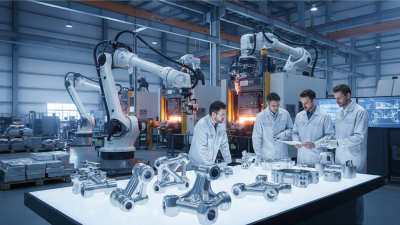
A first model is rarely perfect. That is normal. A rib may be too thick, or a boss may create local porosity. Prototype trials expose these weaknesses through measurements and section analysis. Engineers revise the design, tooling, or process instead of hiding the problem. Clear records, material certificates, and inspection data make production more dependable.
Small errors still deserve attention.
The Step-by-Step Aluminum Die Casting Manufacturing Process
China Best Aluminum Die Casting Parts Manufacturer?
The step-by-step aluminum die casting process begins with part review and tooling design. Engineers check wall thickness, draft angles, ribs, and shrinkage allowance before cutting the mold. This decision matters. A poorly placed gate can trap air, create cold shuts, or weaken a thin section.
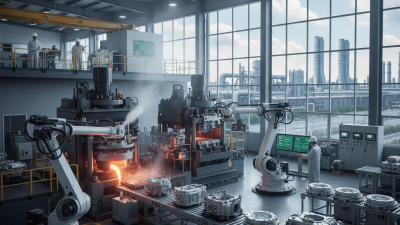
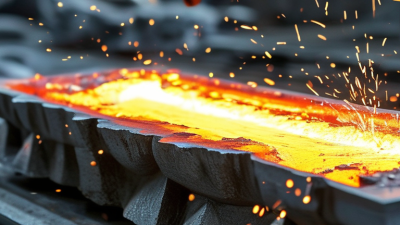
The alloy is then melted, commonly between 660°C and 750°C, depending on its chemistry. Operators remove slag and monitor melt temperature before pouring. A cold-chamber machine injects the metal into a steel die at high speed and pressure. The casting cools within seconds. After ejection, trimming removes runners, overflows, and flash. Some parts receive heat treatment, machining, shot blasting, or surface finishing. The U.S. Department of Energy reports that aluminum can reduce vehicle component weight by about 40% compared with steel, supporting its use in transportation applications.
Quality control follows the process, not just the final shipment. Dimensional gauges, X-ray inspection, hardness testing, and leak testing can expose internal porosity. The International Aluminium Institute reports that about 75% of all aluminum ever produced remains in use today, highlighting aluminum’s long service life and recycling value. Yet recycling data alone cannot prove casting quality. That is an easy mistake. Process records, alloy certificates, first-article samples, and statistical monitoring provide stronger evidence. Even experienced teams should review rejected parts, because a stable production line can still hide a recurring design weakness.
Quality Control and Industry Standards for Die Cast Components
China Best Aluminum Die Casting Parts Manufacturer?
Quality Control and Industry Standards for Die Cast Components
Reliable aluminum die casting begins with controlled process conditions, not a polished sample. Experienced manufacturers monitor alloy temperature, injection speed, mold pressure, and cycle time. These variables influence porosity, dimensional stability, and surface quality. A difference of a few seconds can affect an entire production batch.
Quality teams typically follow documented systems such as ISO 9001. Automotive applications may require additional controls, including traceability, process approval, and statistical monitoring. Each batch should carry clear records for alloy composition, furnace checks, machine settings, and operator inspections. Critical dimensions require calibrated tools, such as coordinate measuring machines, height gauges, and thread gauges. Visual checks alone are not enough.
Testing should match the component’s function. X-ray inspection can reveal internal voids, while tensile tests and hardness checks help verify material performance. Salt spray or coating tests may be necessary for exposed parts. In practice, inspection plans are sometimes too broad and miss high-risk features. That deserves honest review. A thin wall, sealing face, or mounting hole may need tighter controls than a decorative surface. Supplier audits, corrective-action reports, and sample retention also improve reliability. Small details matter.
Quality Control and Industry Standards for Aluminum Die Cast Components
The chart shows the upper chemical composition limits for EN AC-46000 (AlSi9Cu3(Fe)) aluminum alloy specified in EN 1706. Chemical analysis is one of the key incoming-material and final-quality checks used to verify alloy conformity.
How to Select the Right Chinese Die Casting Parts Manufacturer
China Best Aluminum Die Casting Parts Manufacturer?
How to Select the Right Chinese Die Casting Parts Manufacturer
Choosing a Chinese die casting parts manufacturer requires more than comparing unit prices. Ask about alloy grades, casting machines, mold design, and inspection methods. A reliable supplier should explain its process clearly. Vague answers often signal hidden production risks.
Request samples made with production-intent tooling. Check wall thickness, porosity, flash, surface finish, and critical dimensions. Use your own drawings and tolerance requirements during the review. I also examine how operators record pressure, temperature, and cycle time. Small details matter.
Ask for material certificates, dimensional reports, and traceability records. Confirm whether the factory performs X-ray inspection, leak testing, or tensile testing when needed. An on-site or video audit can reveal maintenance habits and workplace organization. Look closely at the tool room. Worn equipment can affect consistency.
Communication deserves equal attention. Can the engineering team suggest draft angles or improve difficult features? Do they respond with measured data instead of promises? A capable partner discusses defects openly. No supplier is perfect. I have seen promising samples fail during longer production runs. That is why pilot orders, corrective-action reports, and regular inspections are necessary. Pricing should follow verified capability, not lead the decision.

 +86-13516964051


 CONTACT NUMBER
 CONTACT NUMBER