2026 Top Aluminum Alloy Die Casting Trends for Global Buyers?
In recent years, Aluminum Alloy Die Casting has gained traction across various industries. This process combines lightweight performance with durability. As global buyers, understanding current trends is essential for making informed purchasing decisions.
The top trends for 2026 reveal a shift toward sustainability and efficiency. Many manufacturers are investing in eco-friendly practices. This includes recycling scrap aluminum and reducing waste in the casting process. Additionally, advancements in technology are driving improvements in precision and speed. Buyers must recognize the importance of these changes.
However, some challenges remain. The market can be unpredictable, with fluctuating aluminum prices. Buyers should stay updated on industry developments to avoid potential pitfalls. Adapting to trends in Aluminum Alloy Die Casting can create opportunities for growth and innovation.
Emerging Aluminum Alloy Die Casting Technologies for 2026
The landscape of aluminum alloy die casting is set to evolve dramatically by 2026. New technologies are emerging that promise enhanced efficiency and improved product quality. Innovations in digital manufacturing are at the forefront. These methods allow for precise control over the casting process. This leads to reduced waste and higher material utilization.
Sustainability is another key focus. Eco-friendly practices are gaining traction in aluminum casting. New methods reduce energy consumption and carbon emissions. However, transitioning to these technologies presents challenges. Many firms may struggle with initial costs. Additionally, adopting new processes requires training and adjustment. Balancing innovation with practicality is crucial for businesses.
The future of aluminum die casting is also leaning towards customization. Tailored solutions are becoming more common. Clients desire specific properties and finishes for their products. This can be complex. Companies must invest time understanding client needs. Continuous feedback will be essential for success. As these trends develop, the industry will need to adapt swiftly, remaining agile in a competitive environment.
Sustainability Trends in Aluminum Die Casting for Global Buyers
Sustainability is a critical trend in aluminum die casting. Global efforts to reduce carbon footprints are reshaping manufacturing processes. According to a recent report by the International Aluminum Institute, aluminum recycling has reached over over 75% in some regions. This high recycling rate significantly reduces energy consumption and greenhouse gas emissions.
Many manufacturers are exploring innovative methods to improve the sustainability of their production. The adoption of green technologies in die casting is on the rise. For instance, companies are investing in water-based coatings and reducing waste through closed-loop systems. While these practices show promise, challenges remain in balancing cost and environmental benefits.
Some industry analysts estimate that sustainable practices could save up to 30% in operational costs by 2026. However, not all companies are prepared for this shift. Transitioning to sustainable methods requires investment in technology and training. This leaves room for improvement and discussions among stakeholders in the industry.
Market Analysis: Key Players in the 2026 Aluminum Alloy Die Casting Sector
The aluminum alloy die casting market is evolving rapidly. Key players are adopting innovative techniques to enhance production efficiency. Many companies are focusing on lightweight materials. This shift is essential for sectors like automotive and aerospace. Players must remain agile and adapt to shifting consumer demands.
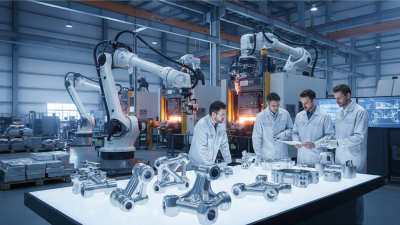
Market leaders are investing in technology. They are integrating advanced automation and AI to streamline operations. This results in improved precision and reduced waste. Nonetheless, companies face challenges with rising raw material costs. They need to strike a balance between quality and affordability. Some also struggle with supply chain disruptions, prompting a reevaluation of sourcing strategies.
Sustainability is a priority for many in this sector. Manufacturers are exploring eco-friendly practices. However, implementing these methods can be complex. There’s often resistance to change within established processes. Ultimately, the drive for innovation must align with sustainability goals. This is an ongoing journey, requiring reflection and adjustment along the way.
Consumer Demand: Shifts in Preferences for Die-Cast Aluminum Products
Shifts in consumer preferences are shaping the landscape of die-cast aluminum products. Buyers are increasingly looking for lightweight yet durable materials. This trend stems from the automotive and aerospace industries prioritizing efficiency. Companies are exploring innovative designs that reduce weight but maintain strength. This balance is crucial in meeting performance standards.
Sustainability also plays a vital role in consumer choice. Many buyers seek environmentally friendly products. Recycled aluminum is becoming a sought-after alternative. Even if the initial costs are higher, sustainability appeals to eco-conscious consumers. The demand for transparency in manufacturing processes is growing.
Amid these trends, challenges persist. Not every manufacturer can meet these new demands efficiently. Some struggle with sourcing quality recycled materials or implementing new technologies. Consumers sometimes lack awareness of the differences between products, leading to inconsistent choices. Industry players must adapt quickly or risk losing relevance. Embracing these changes is essential for future success.
Innovations in Die Casting Processes and Materials for 2026
The die casting industry is witnessing significant innovations that promise to reshape the landscape in 2026. Techniques such as low-pressure die casting and high-pressure die casting continue to evolve. According to recent market reports, the global die casting market is projected to reach approximately USD 24 billion by 2026, reflecting a compound annual growth rate (CAGR) of about 5%. This growth is fueled by advancements in materials and processes that enhance production efficiency and product quality.
One notable trend is the adoption of aluminum alloys that improve mechanical properties and reduce weight. These materials, such as A380 and A356, have gained favor due to their excellent castability and corrosion resistance. Additionally, the incorporation of automation in die casting processes is enhancing precision and reducing cycle times. Reports indicate that automated die casting systems can improve production efficiency by up to 30%. However, the reliance on automation also raises concerns about the potential loss of skilled labor in the industry.
Sustainability is another key focus for 2026. The use of recycled aluminum has become more prevalent, aiming to reduce environmental impact. Yet, challenges remain in achieving consistent quality from recycled materials. Balancing cost efficiency and sustainability will require ongoing innovation and critical assessment in material selection and process optimization. As the landscape evolves, stakeholders must reflect on the implications of these innovations and their long-term effects on manufacturing practices.
2026 Top Aluminum Alloy Die Casting Trends for Global Buyers
| Trend |
Description |
Impact |
Innovation Type |
| Automation in Die Casting |
Increased use of robotics and AI to streamline processes and improve precision. |
Higher production efficiency and reduced labor costs. |
Process Innovation |
| Sustainable Alloys |
Development of eco-friendly aluminum alloys with lower carbon footprints. |
Improved environmental compliance and market appeal. |
Material Innovation |
| 3D Printing Integration |
Utilizing 3D printing for die creation and rapid prototyping. |
Faster product development cycles and customization. |
Process & Technology Innovation |
| Smart Sensor Technology |
Incorporating sensors to monitor die casting conditions in real-time. |
Enhanced quality control and reduced defects. |
Technology Innovation |
| Lightweight Design Focus |
Emphasis on creating lighter components without sacrificing strength. |
Increased efficiency in automotive and aerospace applications. |
Application Innovation |

 +86-13516964051


 CONTACT NUMBER
 CONTACT NUMBER