Essential Tips for Successful Metal Die Casting Process?
Metal Die Casting is a highly effective manufacturing process. It is essential in various industries due to its precision and efficiency. This method allows for intricate designs and high production rates. However, achieving success in Metal Die Casting requires careful consideration of multiple factors.
The choice of materials is crucial. Using the right alloy can impact the final product's strength and durability. Additionally, the design of the mold must be precise. Any imperfections in the mold can lead to costly defects. Operators need to be well-trained to handle the equipment properly. Their expertise can significantly influence the casting's quality.
Finally, it is important to continually evaluate processes. Reflecting on past projects helps identify areas for improvement. By implementing best practices, companies can enhance their Metal Die Casting results. This ongoing evaluation ensures a commitment to excellence in production.
Understanding the Basics of Metal Die Casting
Die casting is a manufacturing process that shapes molten metal into solid objects. Understanding the basics is crucial for success. It involves pouring molten metal into a mold cavity under high pressure. The process results in high precision and intricate designs. For example, according to a report by the Metal Casting Industry, die casting achieves a dimensional accuracy of ±0.1 mm, making it ideal for complex parts.
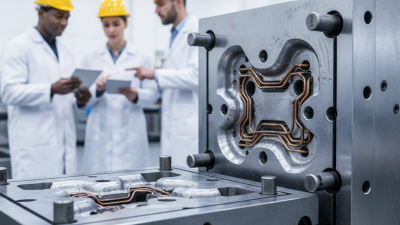
Before starting the die casting process, consider these tips. Select the right alloy for your project. Aluminum and zinc are popular due to their excellent fluidity and strength. Monitor the temperature closely. Metal that is too hot can cause defects. Another key factor is mold design. High-quality molds contribute to better finished products. Incorporate cooling channels to manage the temperature effectively.
It’s important to note that flaws can arise. Air bubbles or shrinkage may occur during cooling. Regularly inspect your castings to identify issues early. Investing in advanced quality control techniques will minimize these risks. By focusing on these essentials, you can enhance your die casting outcomes.
Essential Tips for Successful Metal Die Casting Process
| Tip |
Description |
Benefits |
| Material Selection |
Choose the right alloy for durability and performance. |
Improves the overall quality and longevity of the cast product. |
| Mold Design |
Create molds that minimize shrinkage and maximize flow. |
Enhances the precision and reduces the need for post-processing. |
| Temperature Control |
Maintain optimal temperature for metal and mold. |
Prevents defects and improves the surface finish. |
| Casting Speed |
Optimize the injection speed to reduce turbulence. |
Reduces defects and improves the filling process. |
| Quality Control |
Regularly inspect cast parts for defects. |
Ensures product reliability and customer satisfaction. |
Selecting the Right Materials for Die Casting
Selecting the right materials for the die casting process is crucial. The choice of materials directly affects the quality and durability of the final product. Aluminum and zinc are popular options. They offer good fluidity and strength. However, copper alloys can provide superior thermal and electrical conductivity. Each material has unique properties to consider.
When choosing materials, it helps to evaluate the application. For instance, if corrosion resistance is needed, aluminum might be a better choice. It withstands various environments. Zinc alloys are often chosen for their excellent surface finish. Consider the die life as well. Some materials can wear down the die faster.
A good tip is to always test your materials. Small prototypes can reveal potential failures early. Document the results thoroughly for future reference. Also, engage with suppliers for insights. They can provide valuable information about material performance in different conditions. Collaborate with experienced engineers too. Their expertise can guide you through material selection effectively. Understanding the specific needs of your project can lead to improved outcomes.
Key Steps in the Metal Die Casting Process
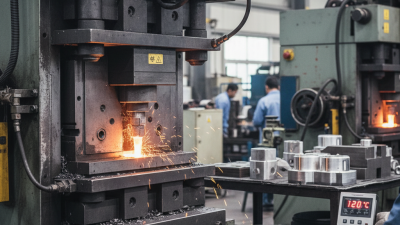
The metal die casting process involves several key steps that create high-quality parts. The first step is the preparation of the die. The die, often made of steel, must be preheated to eliminate moisture. This ensures effective metal flow during casting. It is essential to check for any damages or blockages in the die. Neglecting this can lead to defects in the final product.
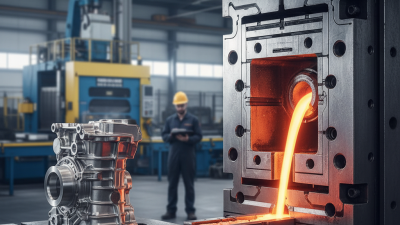
Next comes the melting of the metal. It is crucial to reach the right temperature. If the metal is too cool, it won’t fill the die properly. If it’s too hot, it can cause excessive oxidation. Precision in temperature control impacts the overall quality of the casting. Pouring the molten metal into the die must be done carefully. Any spillage can lead to wastage and increased costs.
Lastly, the cooling and ejection phase requires attention. After pouring, the metal must cool adequately but not too slowly. Uneven cooling can cause warping. Ejecting the casting too early may cause damages. Each of these steps requires skilled handling. A small mistake can lead to significant setbacks. Continuous improvement and monitoring are vital for success in metal die casting.
Common Challenges and Solutions in Die Casting
Die casting is a specialized manufacturing process, but it comes with its own set of challenges. One common issue is air entrapment, which can lead to defects in the final product. This occurs when air gets trapped in the molten metal, creating bubbles. To combat this, ensure proper venting in the die design. An experienced team can help identify the best layout to minimize this problem.
Another frequent challenge is temperature management. If the metal is too hot or too cold, it can affect the casting's integrity. Maintaining an optimal temperature is crucial. Regular monitoring of the furnace and die temperatures is essential. Implementing a robust temperature management system can significantly enhance product quality.
Overcoming these challenges requires ongoing assessment and adaptation. Each casting project may present unique difficulties. Keeping detailed records of past issues can provide valuable insights. Regular training for the team can foster a culture of continuous improvement, leading to better outcomes in future projects.
Quality Control Measures in Die Casting Operations
Quality control is crucial in die casting operations. It ensures that the produced components meet specific standards. Regular inspections help identify defects early in the process. Tools like calipers and gauges measure dimensions accurately. Any deviations can lead to significant issues down the line.
Implementing a systematic inspection process is vital. This involves both in-process and final inspections. Visual checks detect surface flaws and discoloration. Advanced technologies, such as X-ray and ultrasound, help uncover internal defects. However, these methods require skilled personnel. Misinterpretation can lead to costly mistakes.
Training staff enhances quality control effectiveness. Knowledge of potential defects improves detection. Operators should understand both the machinery and the materials used. Regular feedback sessions can lead to better practices. Reflecting on past errors encourages continuous improvement. Quality control in die casting is complex but essential for success.

 +86-13516964051


 CONTACT NUMBER
 CONTACT NUMBER