+86-13516964051


Buying Aluminum Alloy Die Casting parts is not just a matter of comparing prices. The right component must fit its design, perform reliably, and arrive with consistent quality. A housing with thin ribs, threaded holes, or a visible surface finish may need different checks from a simple bracket. Small details matter.
Before requesting quotes, clarify the part’s dimensions, expected production volume, operating environment, and critical tolerances. Ask suppliers how they control alloy composition, casting conditions, trimming, and inspection. These details can affect strength, porosity, dimensional stability, and appearance. A polished sample is useful, but it cannot prove that every production part will match it. Request inspection records and agree on measurable acceptance criteria.
The following ten tips offer a practical framework for evaluating suppliers and reducing avoidable surprises. They cover drawings, alloy selection, tooling, quality checks, finishing, lead times, and total cost. Not every tip will carry equal weight for every project; the application should guide your priorities. It is also worth admitting that early specifications are sometimes incomplete. A prototype may reveal a clearance issue or a finish that looks different under workshop lighting. Treat those findings as useful feedback, revise the requirements, and confirm changes before full production. Reliable decisions come from clear questions and evidence, not confident claims alone.
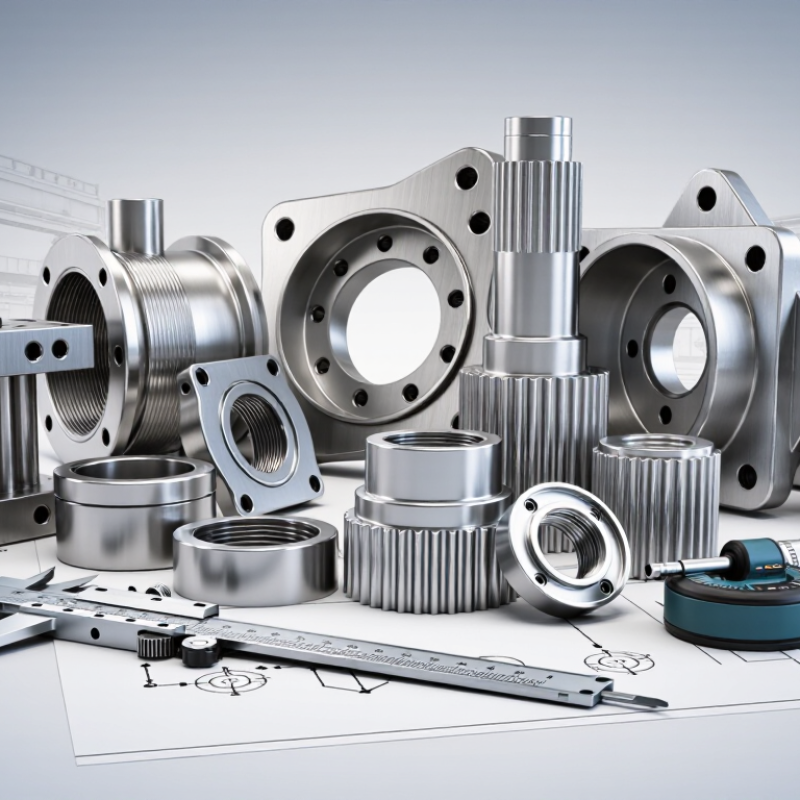
Before buying an aluminum alloy die casting part, define its real function and operating conditions. A housing exposed to road salt needs different protection from an indoor sensor bracket. Record load, temperature, vibration, pressure, moisture, chemicals, and service life. Do not rely on a drawing alone. A specification can still be wrong.
The International Energy Agency reported in Global EV Outlook 2024 that electric cars could exceed 20% of global car sales during 2024. This trend increases demand for lightweight housings, battery components, and thermal-management parts. Such applications may face repeated heating, cooling, vibration, and electrical insulation requirements. Ask the supplier for alloy data, tensile properties, elongation, hardness, and heat-transfer performance at the actual temperature range. Also request evidence from production testing, not only a laboratory datasheet.
Porosity matters under pressure.
For sealed or structural parts, review leak-test limits, X-ray or CT inspection methods, and machining allowances. ASTM B85/B85M provides requirements for aluminum-alloy die castings, while NADCA specifications offer practical guidance on tolerances, surface quality, and defects. These documents support evaluation, but they do not replace application testing. In my experience, buyers often define peak load and ignore cyclic load. That mistake can produce cracks months later. Specify the worst realistic condition, then test samples with the intended coating, fasteners, and assembly process.

Choosing the right alloy starts with the part’s real duty, not a supplier’s default recommendation. A thin housing may need fluidity and pressure tightness. A structural bracket may prioritize yield strength and fatigue resistance. Common alloys, including A380 and ADC12, cast efficiently, but their corrosion resistance and elongation differ. The U.S. Geological Survey reported about 70 million tonnes of global primary aluminum production in 2023. That scale supports material availability. It does not guarantee stable casting quality. Request the alloy standard, chemical limits, temper condition, and batch traceability. Small detail, big risk.
High-pressure die casting suits large volumes, thin walls, and repeatable dimensions. Gravity casting may suit thicker sections or smaller production runs. Low-pressure casting can improve filling control for selected geometries. Vacuum assistance helps reduce trapped gas, but it adds equipment and process controls. The International Aluminium Institute reports that recycled aluminum can require up to 95% less energy than primary aluminum. However, recycled content still needs strict chemistry management. Contaminants can change strength, fluidity, and surface results. Green claims need evidence.
Review gate locations, draft angles, wall transitions, and machining allowances before tooling begins. Define tensile, leak, dimensional, and surface requirements clearly. Request first-article samples and sectioned inspection results. A polished quotation can hide weak assumptions. Shop-floor checks sometimes reveal internal porosity beneath a flawless surface. That lesson is easy to ignore. Recheck the alloy, process, and inspection plan together.
10 Tips for Buying Aluminum Alloy Die Casting Parts
Tip 1: Evaluate a supplier’s practical experience, not only its years in business. Ask for examples involving similar alloys, wall thicknesses, tolerances, and production volumes. An experienced team should explain die design, filling behavior, porosity risks, and finishing limits in clear language. Vague answers deserve attention.
Tip 2: Inspect the quality control system before approving samples. Reliable suppliers should control incoming aluminum, melting temperature, die temperature, injection pressure, and cooling time. Request material certificates, dimensional inspection reports, and batch traceability records. Measurements should connect to actual drawings, not generic templates. A clean report helps.
Tip 3: Study how the supplier handles failures. Ask to review a nonconformance report with causes, corrective actions, and verification results. No factory is perfect, and pretending otherwise feels risky. Look for calibrated gauges, controlled inspection plans, and trained operators who understand critical dimensions. Random sampling alone may miss hidden porosity or unstable casting conditions.
Visit the production area when possible. Observe whether operators protect machined surfaces, separate rejected parts, and label work-in-progress clearly. Small habits often reveal larger quality standards. You can also request a pilot run before placing a full order. Check surface defects, thread accuracy, hardness, leakage performance, and dimensional consistency across several batches. Supplier expertise becomes credible when process knowledge appears in records, measurements, and repeatable results.
| No. | Evaluation Tip | What to Evaluate | Useful Evidence to Request | Buyer’s Practical Check |
|---|---|---|---|---|
| 1 | Confirm experience with comparable parts | Experience with similar part size, wall sections, geometry, tolerances, and production volumes. | Anonymized case studies, sample parts, process descriptions, and references where available. | Ask how the supplier has addressed comparable casting challenges; verify that examples match your part’s complexity and intended production scale. |
| 2 | Review design-for-manufacturing input | Ability to identify filling, solidification, draft, wall-thickness, machining, and ejection risks before tooling is finalized. | A documented design review, marked-up drawings, casting simulation results when appropriate, and a list of proposed design changes. | Provide the latest 2D drawing and 3D model. Confirm that recommendations are documented and that any design changes require your approval. |
| 3 | Specify the alloy and material requirements | The exact alloy designation, applicable material standard, required properties, and any restrictions on recycled content or material sourcing. | Material certificates or test records that identify the alloy and heat or lot, plus the supplier’s material traceability procedure. | Put the alloy and required properties on the purchase specification. Do not rely on a generic description such as “aluminum alloy.” |
| 4 | Assess tooling and process capability | Die design and maintenance, machine capacity, process monitoring, and the ability to hold the tolerances stated on your drawing. | Tooling plan, preventive-maintenance records, equipment capability information, and a production-control plan for critical characteristics. | Identify critical dimensions and features with the supplier. Agree on measurement methods and acceptance requirements before production approval. |
| 5 | Check the quality management system | Document control, inspection planning, nonconformance handling, corrective action, and change control. | Current quality-system certification details if applicable, a quality manual or process overview, and sample inspection or corrective-action records. | Verify certificate scope and validity independently where certification is claimed. Confirm how drawing revisions and process changes are communicated and approved. |
| 6 | Understand inspection and dimensional verification | Inspection methods, measurement equipment, calibration, sampling plans, and reporting for dimensions and geometric tolerances. | A sample dimensional report, equipment list, calibration records, and a control plan showing inspection frequency. | Check that the report uses the correct drawing revision and clearly identifies measured features, results, units, and acceptance limits. |
| 7 | Ask how internal defects are controlled | Controls for porosity, shrinkage, cold shuts, inclusions, and other defects relevant to the part’s function and downstream machining. | Process-control records and, when required by the specification, results from radiography, leak testing, or other agreed inspection methods. | Define defect limits and test locations with the supplier. Use nondestructive testing only where it is specified and appropriate to the part’s risk. |
| 8 | Validate finishing and secondary operations | Machining, deburring, heat treatment, surface treatment, and any effects these operations may have on dimensions or performance. | Process specifications, inspection results after finishing, and applicable coating or treatment test reports. | State which features are inspected before and after secondary operations, and specify finish requirements and test methods on the drawing or purchase specification. |
| 9 | Review traceability and production records | Ability to connect finished parts to relevant material lots, production batches, inspection results, and approved process revisions. | A sample certificate of conformity, batch identification example, and record-retention or traceability procedure. | Agree on the identification level required for each shipment and ensure records can be retrieved for the period specified in your quality agreement. |
| 10 | Approve samples and ongoing controls | First-article or sample approval, production readiness, process changes, delivery consistency, and corrective-action response. | A sample approval package, agreed production-release criteria, delivery performance records where available, and a documented escalation process. | Release regular production only after samples meet the agreed requirements. Define how the supplier will notify you of changes to tooling, material, location, or process. |
Before requesting quotes for aluminum alloy die casting parts, send suppliers a controlled drawing and 3D model. Mark critical dimensions, datum points, alloy, surface finish, and inspection requirements. A rib that looks harmless on screen can complicate metal flow or machining. Ask whether draft angles and wall thicknesses suit the proposed process. Small details matter. Even careful teams sometimes miss a tolerance that adds unnecessary machining.
Compare quotes line by line, not by unit price alone. Separate tooling, casting, trimming, CNC work, finishing, inspection, and freight. Ask what assumptions drive each cost, and how tooling changes are priced. The International Aluminium Institute reports that recycling aluminum uses about 95% less energy than producing primary aluminum. That is useful context, but it does not guarantee a cheaper part; alloy availability, scrap controls, and energy costs still affect quotes. Request a clear material specification and quote-validity period.
Lead time should be broken into milestones: design review, tooling, sample approval, production, and delivery. Ask which dates depend on your approval, and whether samples include the specified machining and finish. The Grand View Research Die Casting Market report estimated the global market at USD 73.6 billion in 2023 and forecast 6.4% annual growth through 2030. That points to a busy market, not a promise of faster delivery. Build buffer time into launch plans. I would still verify capacity against the actual part and order volume.
When buying aluminum alloy die casting parts, start with a sample that matches production conditions. A polished prototype can hide porosity, flash, or weak threads. Request several pieces from the proposed die and inspect them under normal lighting. Measure critical dimensions with calibrated tools, not a ruler. Check weight, surface finish, hole location, and machining allowance. I once trusted a clean sample and missed a thin wall near a mounting boss. That mistake delayed assembly. Real experience can be inconvenient.
Tips: Ask for a dimensional report, photos of hidden surfaces, and a short inspection record. Keep one approved sample sealed for comparison during mass production.
Certifications deserve more than a logo on a PDF. Confirm the issuing laboratory, certificate number, test date, and alloy designation. Request the material composition report and mechanical test results for the same batch. For heat-exposed parts, clarify testing frequency and acceptance limits. Documents can be correct but incomplete. Ask questions in writing, and keep revisions together. An independent inspection may cost more, yet it can reveal porosity, cracks, or coating problems before shipment.
Tips: Verify certificates through the issuer when possible. Do not accept copied documents with missing batch numbers.
Delivery terms should define more than a calendar date. Record quantity tolerance, packaging, shipping responsibility, inspection timing, and remedies for nonconforming parts. Clarify whether tooling, samples, and replacement shipments are included. Use milestones for die completion, trial casting, approval, and final dispatch. Add time for customs or rework. I prefer realistic dates over impressive promises. Rushed orders create hidden costs.