+86-13516964051


Choosing the right Metal Parts supplier can determine whether a promising design becomes a dependable product or a costly rework cycle. A polished website tells you little about how parts perform after repeated production runs. Look for evidence: sample inspection reports, clear material specifications, and answers that match your drawings. The details matter.
Compare suppliers on process capability, quality checks, communication, lead times, and total cost—not price alone. Ask how they control dimensions, surface finish, and material traceability. For machined components, request tolerances they can consistently hold, rather than accepting an impressive number without context. For stamped or fabricated parts, discuss tooling, setup, and how design changes affect cost. A supplier should explain trade-offs in plain language. If every answer sounds effortless, ask more questions.
Review a representative sample, where practical, and check critical features with suitable measurement tools. Confirm packaging and delivery expectations, too; a scratched surface or inconsistent labeling can create real problems on the receiving floor. Small checks count. Reliable suppliers also flag unclear drawings and potential risks before production begins. That kind of candor is valuable, though it may slow an early quote. No supplier is perfect, and a first article cannot prove every future batch will be identical. Use this guide to build a fair comparison, verify claims, and choose a partner whose capabilities fit your part, volume, and quality needs.

Before contacting a metal-parts supplier, turn the application into a measurable drawing and a clear specification. Name the alloy and grade, temper, thickness, order quantity, and operating environment. Mark critical dimensions with explicit tolerances, datum references, and inspection points. Include surface finish, edge-break limits, burr direction, coating thickness, and any heat-treatment requirements. Small omissions matter. A drawing can look complete and still leave one awkward question: which face is the datum?
The ISO Survey 2022 recorded 1,265,216 valid ISO 9001 certificates worldwide. Treat this figure as context, not proof of machining capability. Certification alone cannot confirm that a supplier can hold your slot tolerance or inspect a thin-wall feature. Ask for a first-article inspection report, material certificates, and a measurement plan linked to your drawing. For fits and shafts, specify a recognized tolerance system, such as ISO 286, and agree on the measurement method. Avoid tight tolerances on every dimension; they can add cost without improving function.
When evaluating a metal parts supplier, look beyond its machine list. Match each process to your part: CNC machining for tight features, stamping for repeatable sheet-metal forms, and casting for complex shapes. Ask how the supplier controls setup changes, tool wear, heat treatment, and coating thickness. Request sample inspection records, material certificates, and a clear route from raw stock to finished part. Small details matter. A burr on a mating edge can disrupt assembly.
Check whether capability is measured, not merely claimed. Ask for process capability data on critical dimensions, inspection methods, calibration records, and corrective-action examples. If your drawing requires a specific Cpk threshold, confirm it against the actual production process and sample size.
Deloitte’s 2024 Smart Manufacturing Survey found that 86% of surveyed manufacturers viewed smart manufacturing solutions as important drivers of competitiveness over the next five years.
That makes digital traceability worth discussing: can the supplier link a batch number to material, machine settings, and inspection results? A polished audit file can still hide weak day-to-day controls. I would want to see the shop floor, too. Ask what happens when a measurement drifts, who stops production, and how quickly you are notified.
Choosing a metal parts supplier starts with evidence, not a certificate on a wall. The ISO Survey 2022 recorded more than 1.2 million ISO 9001 certificates worldwide. That figure shows how common certification is; it does not prove that a specific part meets your drawing. Check that the certificate is current, covers the actual production site, and applies to the supplier’s relevant processes. Ask for recent audit findings and corrective-action records. Details matter.
Review how the supplier measures the features that affect fit and function. For machined parts, ask to see dimensional inspection reports, gauge calibration records, and material test certificates linked to the batch. Confirm whether inspection uses calibrated micrometers, coordinate measuring machines, or other suitable equipment. For recurring orders, discuss sampling plans and first-article inspection before production begins. A neat report can still hide weak controls, so compare measured results with your tolerances and drawing revision.
Tips: Request a sample inspection report before placing an order. Check that readings include units, tolerances, and instrument identification. Ask who reviews nonconforming parts and how rework is documented. If an answer feels vague, ask for a real example; supplier quality is easier to judge through records than promises.
Choosing a metal parts supplier is not just a search for the lowest unit price. Compare quotes using the same drawing revision, material grade, finish, tolerance, and order quantity. Otherwise, a cheaper offer may exclude tooling, inspection, or protective packaging. Those costs add up. Ask for a clear breakdown, including setup fees and charges for repeat orders. A sample quote can reveal more than a headline number.
Lead times deserve equal scrutiny. Ask whether the estimate covers raw material purchasing, production, inspection, and shipping. Request realistic dates for both the first order and repeat batches. A supplier quoting four weeks may be less useful than one quoting six weeks reliably. Still, promised dates are not proof. Ask how schedule changes are communicated, and what happens when material arrives late. I have seen plans built around best-case dates; they looked tidy, but left little room for delays.
Check supply chain reliability through specific evidence. Ask about backup material sources, production capacity, inspection records, and recent on-time delivery performance. For a trial order, track response time, document accuracy, and whether parts match the approved sample. Keep the scorecard simple: total landed cost, actual lead time, defect rate, and communication. One missed detail can be a warning, though a single delay may not tell the whole story. Request references or sample inspection reports, then verify that the supplier can support your expected order pattern.
Choosing a metal-parts supplier means evaluating more than price and sample quality. Communication matters when a drawing changes, a shipment slips, or a tolerance needs clarification. McKinsey’s 2024 supply-chain survey found that roughly nine in ten respondents faced supply-chain challenges during the previous year. Clear updates cannot prevent every disruption, but they can help teams respond before a delayed batch stops production. Silence is costly.
Ask who reviews revised drawings, how quickly technical questions receive answers, and what inspection records accompany each shipment. A capable supplier should discuss machining limits, material options, surface finish, and realistic tolerances—not simply promise that every feature is possible. For long-term fit, review capacity, corrective-action practices, and willingness to adjust forecasts. One uncomfortable trade-off: the lowest quote may require more oversight. It is worth comparing the total effort, not just the unit price.
Tips: Send a sample drawing and ask the supplier to flag risks before quoting. Check that answers are specific, documented, and consistent across sales and engineering contacts. Then review the relationship after a pilot order; one successful batch is useful, but it is not proof of lasting fit.
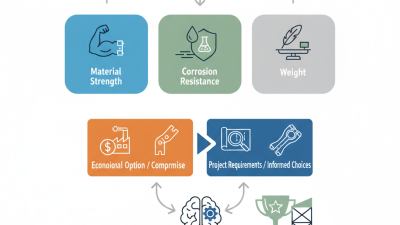
Suggested evaluation weights for comparing communication, technical support, and long-term fit.
Use these suggested weights as a starting point, then score each supplier against the same criteria. The percentages are a customizable decision framework, not results from a market survey.