What to Consider When Choosing Aluminum Die Casting Mould?
When considering the optimal Aluminum Die Casting Mould, it is vital to understand various critical factors. The global aluminum die casting market is projected to reach $12.58 billion by 2028, according to a recent report by Fortune Business Insights. This growth underscores the importance of selecting the right mould to ensure efficiency and cost-effectiveness in production.
Experts in the field emphasize the significance of material quality and design accuracy when choosing your Aluminium Die Casting Mould. John Smith, a renowned engineer in die casting technology, once stated, “The right mould can make or break your production outcomes.” This highlights the necessity for informed decision-making. Factors like wall thickness, draft angles, and cooling channels are essential considerations that can change the final product performance dramatically.
Therefore, potential buyers must engage in thorough research. Assessing supplier credibility is crucial. Not all vendors provide the same level of expertise or use high-quality materials. Rushing this process can lead to subpar products and increased costs in the long run. Reflect on your needs and the available options carefully to avoid future complications.
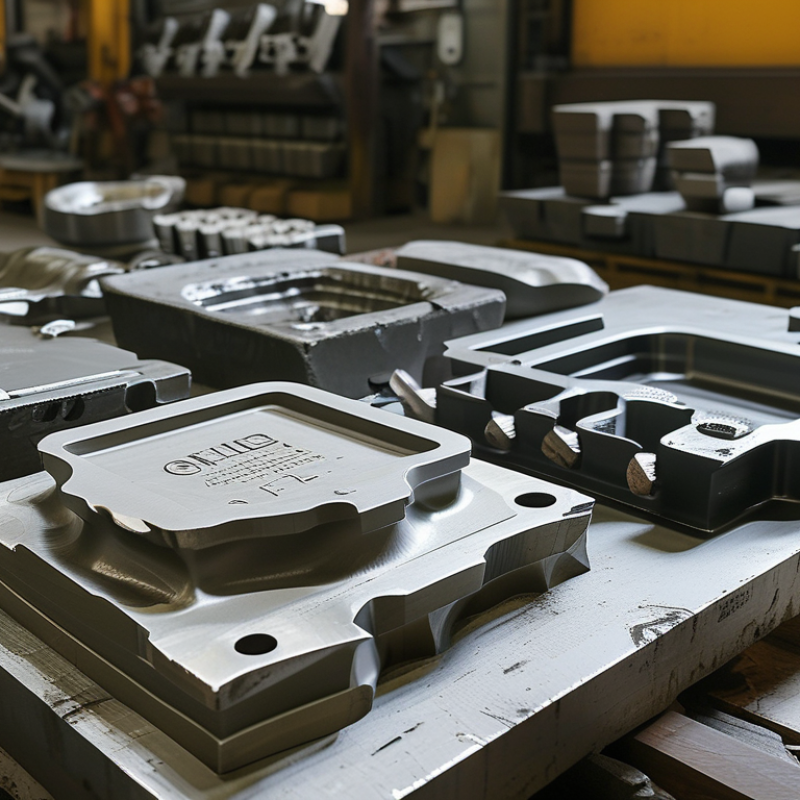
Key Factors to Evaluate in Aluminum Die Casting Mould Selection
Choosing the right aluminum die casting mould is crucial for production efficiency. Several key factors come into play during this selection process. Design complexity is one such consideration. A simple design allows for easier mould modifications, while intricate designs may require advanced techniques and tools. It's essential to balance complexity with manufacturability.
Another significant factor is material selection. Aluminum alloys offer various characteristics that influence the final product’s strength and durability. Knowing the specific requirements of the intended application helps narrow down suitable alloy options. Additionally, evaluating the cooling system's efficiency in the mould can affect cycle times and product quality.
Investing time in understanding the mould's longevity and maintenance requirements is essential. Moulds that require frequent repairs can lead to increased downtime and costs. Reflecting on past production experiences can guide better decisions in future mould selections. Manufacturers often overlook these aspects, thinking they can adjust later, but this can lead to complications.
Material Considerations for Durable and Effective Die Casting Moulds
When selecting materials for aluminum die casting moulds, several key factors come into play. The durability of the mould significantly affects the quality of the final product. Using high-grade steel offers longevity and resistance to wear. However, it is also essential to consider the initial cost. Cheaper materials might save money upfront but could lead to higher long-term expenses due to frequent replacements.
Heat resistance is another critical aspect. Materials need to withstand high temperatures during the casting process. Insufficient thermal stability can warp the mould and compromise production. Furthermore, evaluating the cooling rate of the mould material can enhance cycle time efficiency. Slower cooling can create defects, while rapid cooling can lead to other issues.
Lastly, designing for easy maintenance can save time and resources. A more complex design may increase production costs. Finding a balance between durability and cost is essential. Many manufacturers find themselves questioning their material choices over time. Reflecting on these decisions can lead to better practices in future projects.
Design Features that Enhance Efficiency and Performance in Moulds
When choosing aluminum die casting moulds, design features play a crucial role in enhancing efficiency and performance. One important aspect is the cooling system. Efficient heat dissipation speeds up production. However, finding the balance in cooling channels can be a challenge. Too tight of a design may lead to uneven cooling, causing defects.
Another key feature is the gate design. A well-designed gate ensures smooth metal flow. It prevents turbulence and reduces the chances of air entrapment. Yet, designers must consider the size and location carefully. Overly large gates can slow production, while poorly placed gates may result in wastage. The choice of ejector pins also matters. Properly placed pins reduce stress on the casting and enhance overall quality.
Finally, the wall thickness deserves attention. Consistent thickness helps prevent weak spots. However, achieving uniformity requires close collaboration between design and manufacturing teams. This synergy can lead to improvements but may not always be easy to maintain. Each design decision has implications for the final product, so constant reflection is necessary for optimization.
Cost Implications and Budgeting for Die Casting Mould Acquisition
When considering the cost implications of aluminum die casting mold acquisition, understanding different factors is crucial. The initial price of molds can vary significantly based on design complexity and material quality. Molds designed for intricate geometries often carry a higher price tag. This can challenge budgets, especially for small to medium-sized projects. It's essential to evaluate if the initial investment aligns with your production needs.
Beyond initial costs, maintenance and longevity also affect overall budget. Molds may require regular maintenance, which incurs additional expenses. The more frequently a mold needs repair, the higher the eventual cost. Assessing expected lifespan versus production volume helps in understanding long-term expenses.
Allocating a budget for unexpected flaws is wise. Sometimes, design adjustments or refinements may be needed after initial trials. These adjustments can impact overall spending significantly. Reflection on past experiences can aid in setting a realistic budget that accommodates these potential changes. Responsible budgeting should consider both fixed and variable expenses thoroughly.
What to Consider When Choosing Aluminum Die Casting Mould? - Cost Implications and Budgeting for Die Casting Mould Acquisition
| Criteria |
Considerations |
Estimated Cost (USD) |
Budget Implications |
| Mould Material |
Consider durability and heat resistance. |
$2,000 - $5,000 |
Higher quality materials increase upfront costs. |
| Complexity of Design |
Intricate designs may require more advanced moulds. |
$3,000 - $8,000 |
Complex designs can significantly impact costs. |
| Production Volume |
Higher volumes justify the initial mould investment. |
$1,500 - $7,000 |
Economies of scale can reduce per-unit costs. |
| Lead Time |
Faster production may require premium costs. |
$500 - $2,000 |
Consider the impact on cash flow and delivery schedules. |
| Maintenance and Longevity |
Regular upkeep extends mould life. |
$1,000 per year |
Ongoing costs influence long-term budgeting. |
Maintenance and Longevity: Ensuring Optimal Performance of Moulds
When it comes to aluminum die casting moulds, maintenance is key. Regular inspection can reveal signs of wear. This might include cracks or surface damage. A small issue can escalate if not addressed. Schedule routine checks to catch these problems early.
Proper cleaning methods are essential. Using the right cleaning agents can avoid chemical damage. Harsh cleaners can degrade the mould surface.
Gentle yet effective cleaning will prolong its life. Operators should be trained in these techniques. Knowledgeable staff contributes to optimal mould performance.
Lubrication also plays a significant role. Applying the correct lubricants reduces friction. This helps prevent overheating and extends service life. However, it’s easy to overlook this step. Over-lubrication can attract dirt and debris. Regularly reviewing lubrication practices is a must.
Investing time in maintenance pays off. The longer a mould lasts, the less frequent replacements will be necessary. It's imperative to cultivate a culture of diligence in maintaining these tools. Acknowledging potential flaws in your current practices is essential for improvement.

 +86-13516964051


 CONTACT NUMBER
 CONTACT NUMBER