Why Choose Die Aluminium for Your Manufacturing Needs?
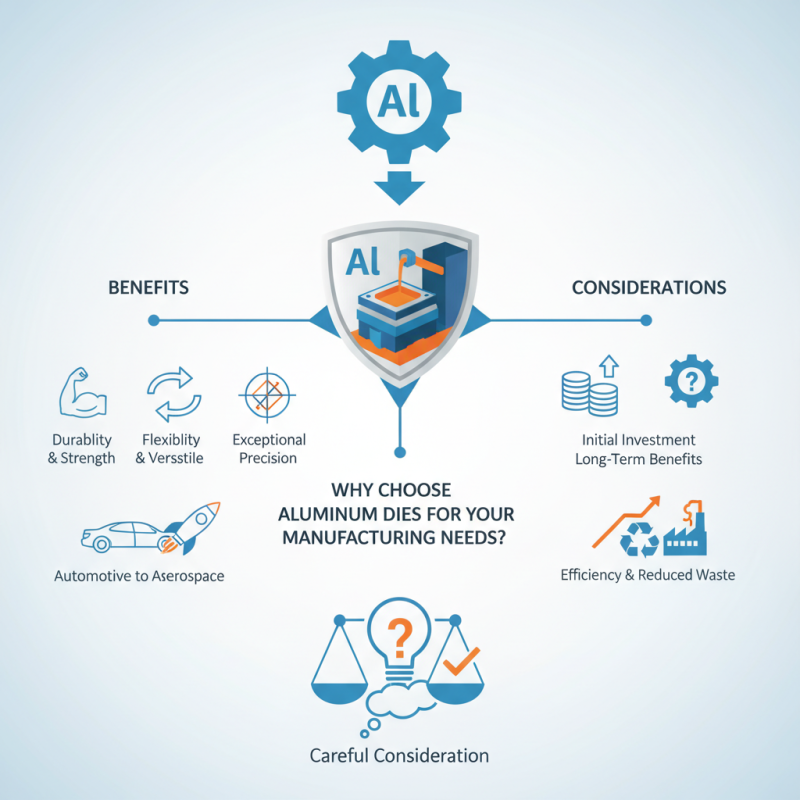
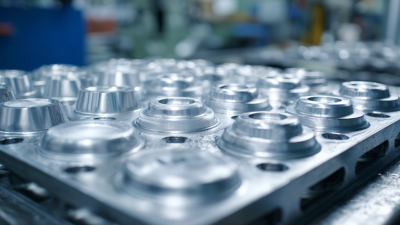
In today’s manufacturing landscape, choosing the right materials is crucial. Dies Aluminium stands out as a preferred option for many industries. This material offers several benefits, including durability and flexibility.
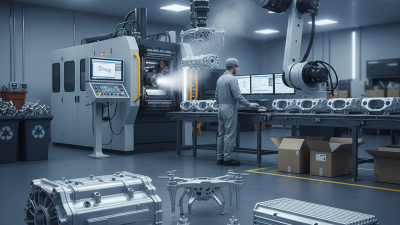
Aluminium dies are lightweight yet strong. They provide exceptional precision, which is vital in creating complex components. Industries from automotive to aerospace rely on Dies Aluminium for its superior performance. The ease of machining and versatility make it a go-to choice for manufacturers.
However, challenges remain. The initial cost can be higher compared to other materials. Some might question if the investment is worth it. Evaluating the long-term benefits is essential. High-quality dies lead to greater efficiency and reduced waste. In the end, careful consideration is key to making the best choice for your manufacturing needs.
Advantages of Using Aluminum in Manufacturing Processes
Aluminum has become a cornerstone in modern manufacturing due to its lightweight nature and exceptional strength. According to the Aluminum Association, aluminum's strength-to-weight ratio is twice that of steel, making it an optimal choice for various applications. This quality enables manufacturers to create end products that are both durable and efficient, ideal for industries such as automotive and aerospace.
Additionally, aluminum is highly resistant to corrosion, which extends the lifespan of manufactured goods. A report by the International Aluminum Institute notes that approximately 75% of all aluminum ever produced is still in use today. This remarkable statistic highlights the material's longevity and suitability for sustainable practices. However, sourcing aluminum impacts the environment, sparking discussions about mining and processing impacts.
Moreover, aluminum is highly versatile. It can be easily molded into complex shapes, catering to diverse manufacturing needs. Yet, it's crucial to reflect on potential drawbacks, such as the energy-intensive processes involved in aluminum production. Balancing efficiency with environmental responsibility remains a challenge for the industry. As manufacturing evolves, the beneficial properties of aluminum continue to drive innovation, yet the need for sustainable practices must be prioritized.
Key Properties of Aluminum That Benefit Manufacturing
Aluminum is a versatile material for manufacturing. Its light weight makes it easy to handle. This characteristic can reduce costs during transportation. Additionally, aluminum boasts excellent resistance to corrosion. This quality ensures longevity in various environments. Many industries rely on this durability for their products.
Another essential property of aluminum is its malleability. This allows manufacturers to shape it easily into complex designs. Intricate components can be produced without sacrificing strength. Moreover, aluminum can be recycled without losing its properties. This aspect aligns with the growing demand for sustainable practices in manufacturing.
However, not all applications suit aluminum. Certain high-stress environments may require stronger materials. It's crucial for manufacturers to evaluate their specific needs. Understanding the limitations of aluminum aids in making informed choices. Balancing these factors is vital for successful production. Each project presents unique challenges that demand careful consideration.
Why Choose Die Aluminium for Your Manufacturing Needs? - Key Properties of Aluminum That Benefit Manufacturing
| Property |
Description |
Benefits in Manufacturing |
| Lightweight |
Aluminum is significantly lighter than steel and other metals. |
Reduces shipping costs and energy consumption in manufacturing. |
| Corrosion Resistance |
Aluminum naturally forms a protective oxide layer. |
Increases lifespan of products, reducing maintenance costs. |
| Malleability |
Aluminum can be easily shaped and molded. |
Facilitates complex designs and reduces waste in manufacturing. |
| Conductivity |
Excellent thermal and electrical conductor. |
Ideal for products needing efficient heat dissipation or electrical applications. |
| Recyclability |
Aluminum can be recycled multiple times without losing properties. |
Supports sustainable manufacturing practices and reduces material costs. |
Comparative Cost Analysis: Aluminum vs. Other Materials
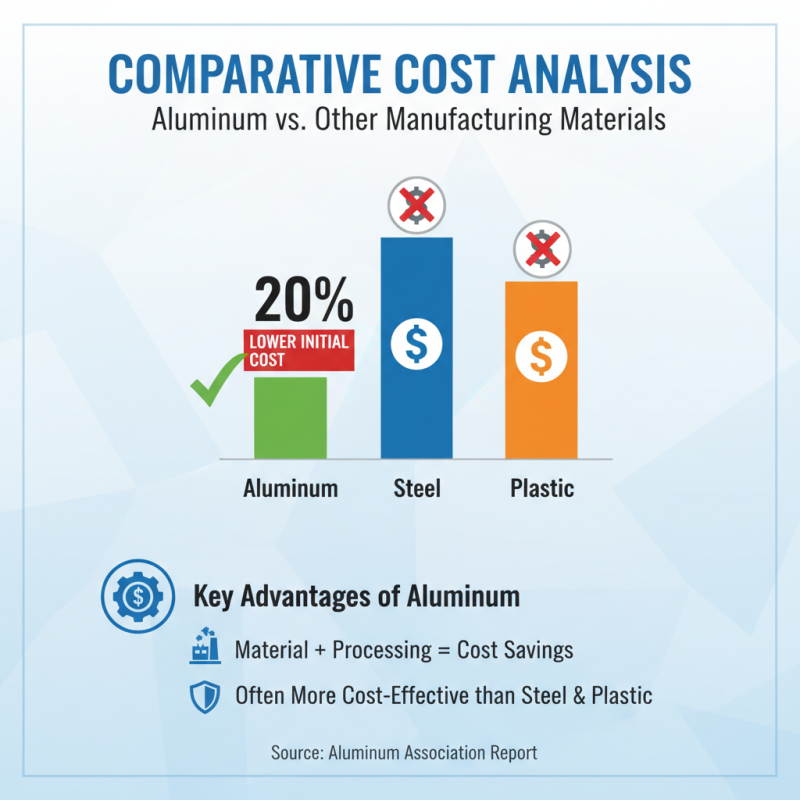
When considering materials for manufacturing, cost is a crucial factor. A recent report from the Aluminum Association shows that aluminum is often more cost-effective than steel and plastic. In fact, the initial cost of aluminum can be 20% lower than that of steel when accounting for the material and processing expenses.
Durability is another important aspect. Aluminum structures typically offer a lifespan three times longer than traditional materials. This longevity reduces maintenance costs over time. Additionally, aluminum is lightweight, with a density of about 2.7 g/cm³, while steel is over three times denser. This weight advantage can lower shipping costs and enhance fuel efficiency in transportation.
However, there are challenges. For example, aluminum can be more susceptible to corrosion than stainless steel, requiring additional protective coatings. Understanding these nuances is essential for effective decision-making. Comparing the lifecycle costs provides a clearer perspective on the economic viability of aluminum versus traditional materials.
Sustainability and Environmental Impact of Aluminum Manufacturing
Aluminum manufacturing stands out for its sustainability and minimal environmental impact. Due to its lightweight properties, aluminum improves fuel efficiency in transportation. According to the Aluminum Association, using aluminum in cars can reduce weight by up to 50%. This leads to lower CO2 emissions and better fuel economy.
Despite its benefits, the process of aluminum production is energy-intensive. It consumes large amounts of electricity, which can derive from fossil fuels. Transitioning to renewable energy sources is crucial. This shift can decrease emissions further. In fact, a report from the International Aluminum Institute highlights that using renewable energy can cut emissions from aluminum smelting by up to 75%.
Tips: Consider sourcing aluminum from manufacturers using green energy. Investigate their sustainability practices before deciding. Reducing reliance on non-renewable resources is vital for the future.
Recycling is another key aspect. Aluminum can be recycled endlessly without losing quality. The recycling process uses only 5% of the energy required for primary production. This means significant savings and less environmental burden. Yet, many still overlook this aspect. Raising awareness about the benefits of recycling aluminum remains a challenge.
Applications of Aluminum Across Various Industries
Aluminum plays a crucial role across various industries. Its lightweight nature makes it ideal for aerospace applications. Aircraft manufacturers often rely on aluminum to enhance fuel efficiency. Similarly, the automotive sector uses aluminum to reduce weight and improve performance. This metal is not only strong but also corrosion-resistant, which adds to its appeal.
In construction, aluminum is favored for window frames and cladding. Its durability helps withstand harsh environments. Additionally, many electronic devices utilize aluminum in their casings. This provides both aesthetic appeal and protection for sensitive components. The versatility of aluminum is evident in its widespread use.
Tips: Consider the lifecycle of aluminum products. Recycling can significantly reduce environmental impact. Look for suppliers who prioritize sustainable practices. Always assess the specific requirements of your project. Even small changes can lead to more efficient solutions. Be open to innovations within aluminum manufacturing. Embracing new technologies can improve quality and reduce costs.
Applications of Aluminum Across Various Industries

 +86-13516964051


 CONTACT NUMBER
 CONTACT NUMBER