Top Benefits of Using Casting Aluminum Parts in Manufacturing?
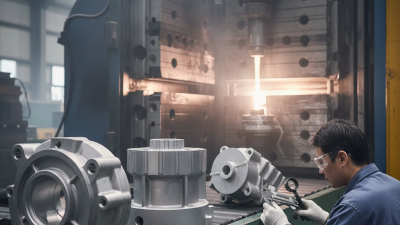
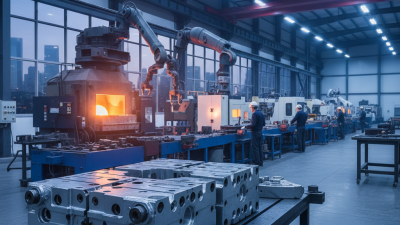
In the realm of manufacturing, "Casting Aluminum Parts" has become a pivotal element for many industries. Experts highlight the efficiency and versatility of aluminum casting. John Smith, a renowned materials engineer, stated, “Casting Aluminum Parts revolutionizes production by combining strength with lightweight properties.” This duality gives manufacturers a competitive edge.
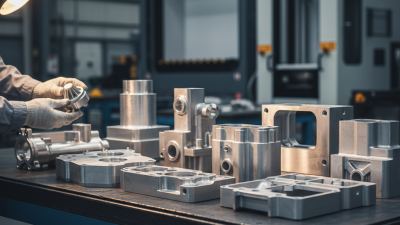
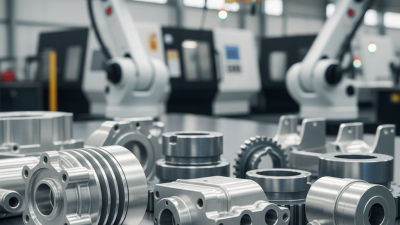
The benefits of using casting in aluminum parts are profound. Firstly, this process enables intricate designs that enhance product functionality. Each part can be tailored, serving specific requirements in various applications. Moreover, aluminum's corrosion resistance contributes to the longevity of the products. However, challenges remain, such as ensuring consistency in casting quality.
Incorporating "Casting Aluminum Parts" into manufacturing processes reflects a commitment to innovation. This method supports sustainability through material efficiency. Yet, it demands careful consideration of design and production methods. Thoughtful reflection on these aspects is crucial to maximize the benefits of this versatile technique.
Advantages of Aluminum Casting in Manufacturing Processes
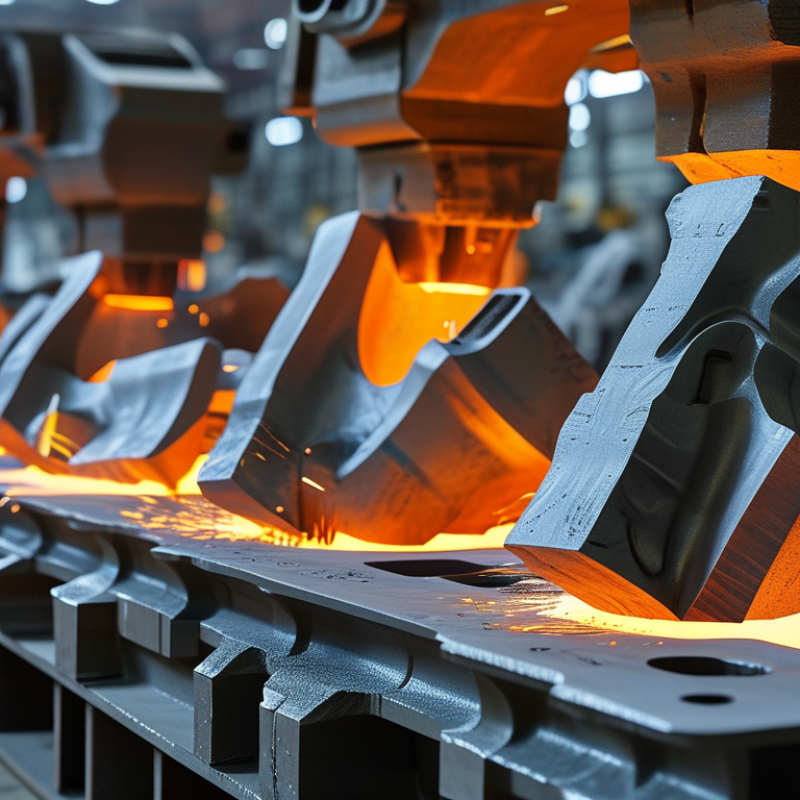
Aluminum casting is gaining traction in manufacturing for several compelling reasons. The versatility of aluminum allows for the production of complex shapes with excellent dimensional accuracy. According to a report by the Aluminum Association, about 90% of aluminum can be recycled without losing its properties. This recyclability enhances sustainability, appealing to eco-conscious manufacturers.
In terms of weight savings, aluminum is much lighter than steel, which can reduce transportation costs and improve fuel efficiency in automotive applications. A study published in the Journal of Manufacturing Science found that aluminum cast parts can weigh up to 50% less than their steel counterparts. This weight reduction often leads to enhanced performance in end-use applications.
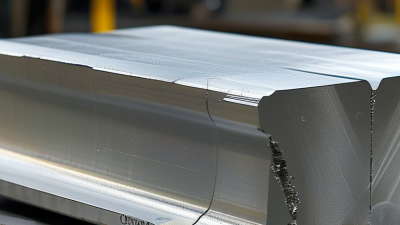
Despite these advantages, challenges persist. Aluminum's thermal conductivity can lead to issues in the cooling phases of casting, creating defects if not managed properly. Manufacturers must invest in advanced techniques to mitigate these risks. Balancing cost with quality remains a constant struggle in the industry, as companies navigate between high-quality production and budget constraints.
Enhanced Durability and Strength of Aluminum Cast Parts
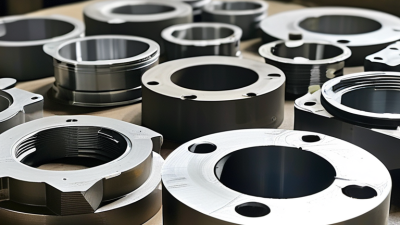
Aluminum cast parts are renowned for their enhanced durability and strength. These qualities make them ideal for various manufacturing applications. Aluminum, as a material, offers a unique combination of lightweight and robust properties. This ensures that parts can withstand significant stress without cracking or deforming. In industries like automotive and aerospace, this quality is crucial.
The casting process adds to the strength of aluminum components. This method allows for intricate designs that traditional fabrication might struggle to achieve. Components can be made with precise tolerances, adding to overall performance. The ability to create complex shapes means fewer joints and connections, reducing potential weak points. However, not every casting quality is consistent; sometimes, imperfections can occur. Understanding these flaws is essential for production accuracy.
Moreover, aluminum castings are resistant to corrosion. This property extends the lifespan of parts, essential for outdoor or harsh environments. They can maintain their integrity over time, but exposure to specific conditions may still lead to deterioration. Manufacturers must evaluate their applications carefully. With continuous advancements in casting technologies, the future of aluminum parts looks promising, yet challenges remain. Embracing an analytical approach to these materials can drive better outcomes.
Cost-Effectiveness of Using Casting Aluminum in Production
Casting aluminum parts in manufacturing significantly enhances cost-effectiveness. This method allows for intricate designs without excessive material waste. Manufacturers often find that aluminum's lightweight nature reduces shipping costs. This is crucial for both small and large-scale production.
Moreover, the production time can be shorter. Quick turnaround allows companies to meet market demands swiftly. However, it's important to ensure quality control measures are in place. The initial investment in aluminum casting machinery can be high. Yet, the longevity of these machines often justifies the expense over time.
Cost savings are evident through reduced labor expenses. Casting processes require fewer manual interventions, automating many steps. This efficiency can lead to increased safety on the factory floor, but it requires skilled oversight. Without proper training, mistakes can occur. Engaging expertise in the process is essential to maximize benefits.
Design Flexibility and Complexity Achieved Through Aluminum Casting
Aluminum casting allows for remarkable design flexibility and complexity. Manufacturers can create intricate shapes and forms that would be challenging or impossible with other materials. This adaptability benefits various industries, from automotive to aerospace. For example, a complex, lightweight component can enhance vehicle performance while reducing fuel consumption.
The versatility of aluminum casting also means that designers can experiment with varying wall thicknesses. This feature improves product durability and reduces material waste. However, achieving optimal design requires careful planning. A lack of attention to detail in the design phase can lead to structural weaknesses or production delays.
Moreover, while aluminum casting holds advantages, it also presents challenges. Engineers must continually assess mold designs and casting methods for efficiency. Providing adequate cooling and avoiding defects like porosity is crucial. Recognizing these challenges can lead to better solutions and improvements in the manufacturing process.
Reduced Waste and Sustainability of Aluminum Casting Methods
Aluminum casting methods have gained attention for their eco-friendly attributes. The ability to recycle aluminum gives it a significant edge in sustainability. According to recent studies, nearly 75% of all aluminum ever produced is still in use today. This remarkable recycling rate reduces the environmental footprint of manufacturing processes. Companies can cut down on production waste while meeting the growing demand for greener solutions.
Implementing aluminum casting can minimize landfill contributions. The precision of casting reduces excess material required in traditional manufacturing. In fact, the industry reports that casting techniques can decrease material waste by as much as 30%. This is critical for manufacturers targeting zero waste goals. Using advanced casting methods, manufacturers are encouraging a more sustainable cycle of consumption.
Tip: Educating your workforce about aluminum recycling can foster a culture of sustainability. Regular training on best practices can significantly enhance recycling efforts within your facility. Remember, small changes create impactful outcomes. Investing in sustainable practices not only benefits the environment but also enhances company reputation.

 +86-13516964051


 CONTACT NUMBER
 CONTACT NUMBER