How to Choose the Best Aluminum Die Casting Parts for Your Needs?
Selecting the right Aluminum Die Casting Parts can significantly impact your project's success. These components must meet specific requirements to ensure quality and performance. Different applications might demand varying levels of precision, strength, or finish.
Understanding your project needs is essential. Are you focusing on weight, strength, or aesthetic appeal? Each choice can lead to diverse aluminum alloys and manufacturing techniques. Knowledge of these factors enables better decision-making. You might find yourself reflecting on the balance between cost and quality.
It is also important to research suppliers and their capabilities. Explore their experience and quality certifications. Reliable partners often bring valuable insights that help refine your options. However, navigating the market can be overwhelming. Failing to ask the right questions may lead to poor choices. Taking the time to evaluate all options will pay off in the long run.
Understanding the Basics of Aluminum Die Casting Parts for Your Needs
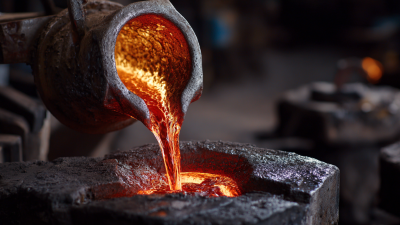
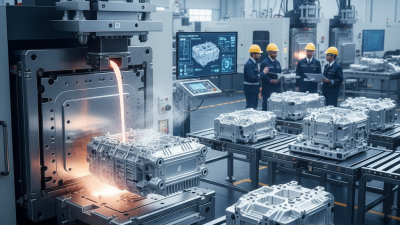
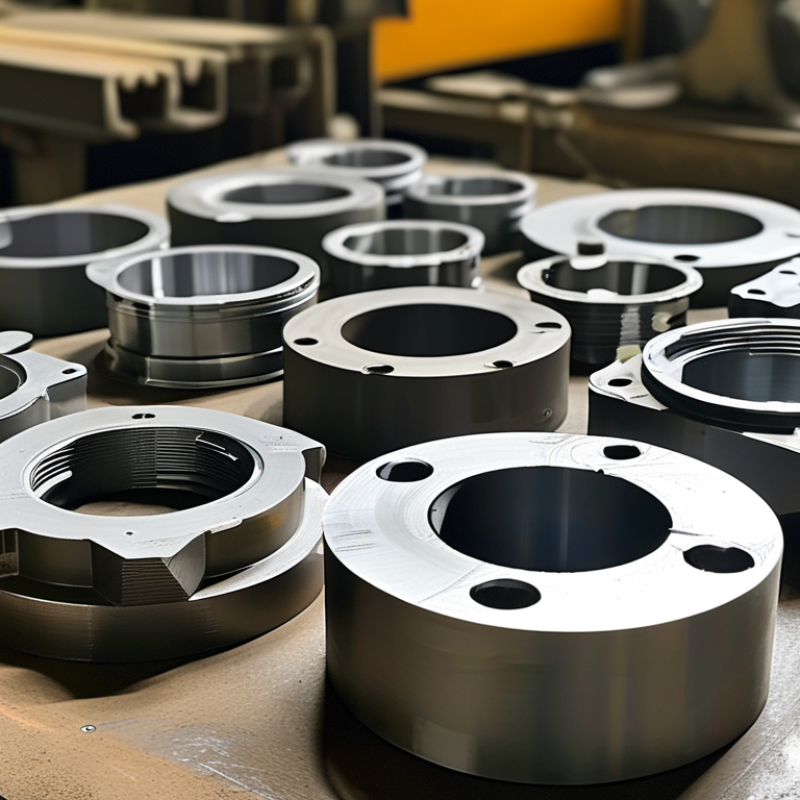
Aluminum die casting parts are essential in various industries. Understanding their basics can help you make informed choices. These parts are created by forcing molten aluminum into a mold. This process produces components with precise dimensions and complex shapes. The result is a lightweight, durable part that can withstand harsh conditions.
When considering aluminum die casting, think about your specific needs. The part’s application is crucial. Will it be exposed to heat or fatigue? Identifying these factors will guide your material selection. Not all aluminum alloys have the same properties. Some are better suited for high-strength applications, while others excel in thermal conductivity.
It's also important to evaluate the production process. Not every manufacturer uses the same methods or equipment. This variation can impact quality and lead times. Researching and comparing different sources can show where improvements are needed. Seeking a provider with expertise in your industry can enhance your results. While aluminum die casting offers many advantages, each choice requires careful consideration.
Key Factors to Consider in Aluminum Die Casting Material Selection
When selecting aluminum die casting materials, several crucial factors come into play. The first consideration is the alloy type. Various aluminum alloys possess different properties, impacting strength, weight, and corrosion resistance. For example, alloy 380 offers excellent fluidity, making it ideal for intricate designs. A thorough understanding of the application helps in choosing the right alloy.
Another key factor is the casting process itself. The die casting method can affect the final product's quality. Pressure die casting often yields high precision. However, it may not suit every part requirement. Evaluating the part's complexity and volume needs will guide this decision.
Surface finish is also vital to consider. A smoother finish can enhance aesthetics and reduce wear. It's important to assess whether additional treatments, such as anodizing or powder coating, are necessary. Balancing these details may require multiple iterations, but it is crucial for achieving the desired outcome in aluminum die casting.
Evaluating Tolerances and Finishing Options in Die Casting Processes
When evaluating aluminum die casting parts, tolerances play a critical role. Tolerances define the acceptable limits of variation in dimensions. They ensure that parts fit correctly in assembly and function as intended. Tight tolerances may increase the manufacturing cost. However, they guarantee higher precision in the final product. It's essential to balance quality and cost.
Finishing options also significantly impact the performance of die cast parts. Common finishes include anodizing, powder coating, and polishing. Each technique offers different benefits. Anodizing improves corrosion resistance, while powder coating provides aesthetic appeal. Polishing enhances surface smoothness. The choice depends on the application and environment. Consider the functional requirements carefully.
Reflecting on these aspects can be daunting. Each project has unique needs. Deciding on tolerances and finishes demands attention to detail. Engaging with experienced professionals can help clarify choices. Their expertise can guide you in finding the right solutions. Remember, a well-informed decision may lead to better performance. It's worth taking the time to reflect on these trade-offs.
How to Choose the Best Aluminum Die Casting Parts for Your Needs?
| Specification |
Tolerances |
Finishing Options |
Applications |
| Part A |
±0.05 mm |
Anodized |
Automotive |
| Part B |
±0.1 mm |
Powder Coated |
Electronics |
| Part C |
±0.02 mm |
Brushed Finish |
Industrial |
| Part D |
±0.07 mm |
Chromated |
Consumer Goods |
Cost Analysis: Comparing Aluminum Die Casting with Other Manufacturing Methods
When evaluating manufacturing methods, cost is a significant factor. Aluminum die casting can be cost-effective compared to other methods like CNC machining or injection molding. The setup costs for die casting may seem high initially, but they often lead to lower production costs in the long run due to high volume efficiency. Part complexity increases without significant cost rises, making it a viable option for many manufacturing needs.
Consider these tips when choosing aluminum die casting parts. Firstly, assess the required tolerances and part specifications. A complex part might benefit more from die casting than simpler methods. Next, evaluate the total production volume. Die casting shines when producing large quantities. This can reduce per-unit costs significantly.
Be mindful of material considerations, as aluminum's properties can vary. Sometimes the initial cost estimation can be misleading. Seek expert opinions to get precise estimates. Not every design suits die casting, so reviewing and refining your design saves future headaches. Quality control during the manufacturing process is essential for minimizing defects and ensuring reliability. This element is vital for maintaining the integrity of your final product.
Cost Analysis of Aluminum Die Casting vs Other Manufacturing Methods
Identifying Reliable Suppliers: Quality Standards and Certifications in the Industry
When selecting aluminum die casting parts, identifying reliable suppliers is crucial. Quality standards and certifications provide a framework for ensuring that parts meet specific performance requirements. The American Society for Testing and Materials (ASTM) has established guidelines that help assess material quality. According to industry reports, over 70% of buyers consider these certifications essential when evaluating suppliers.
A reputable supplier often adheres to ISO 9001 standards, reflecting their commitment to quality management systems. They should also provide traceability in their manufacturing processes. This transparency builds trust. Buyers may overlook the importance of supplier reviews and audits. Failures in this area can lead to subpar parts, impacting overall project success.
Furthermore, certifications like RoHS and REACH focus on environmental compliance. These demonstrate a supplier's commitment to sustainability. As industries shift towards eco-friendly practices, choosing suppliers who prioritize these standards becomes increasingly significant. Engaging with suppliers who understand these trends ensures that your choices align with market demands. It’s essential to verify these claims through thorough research and communication with potential partners.

 +86-13516964051


 CONTACT NUMBER
 CONTACT NUMBER