Top Trends in Casting Aluminum Parts for 2026 What to Know?
As we approach 2026, the landscape of casting aluminum parts is evolving rapidly. This industry stands at the intersection of innovation and practicality. Companies are prioritizing efficiency and sustainability in their processes. Emerging technologies are redefining how we create these crucial components.
Casting aluminum parts are central to various sectors, from automotive to aerospace. The push for lightweight materials is driving demand. Manufacturers are exploring advanced methods like additive manufacturing and digital casting. This shift aims to reduce waste and maximize productivity. Companies that adapt will gain a competitive edge.
However, challenges remain. Not all manufacturers can easily implement these new technologies. There is a learning curve involved. Quality control in casting aluminum parts also requires constant monitoring. The future is promising, but continuous improvement is essential. We must embrace these trends while acknowledging the need for growth and reflection in our approaches.
Current State of Aluminum Casting Technologies
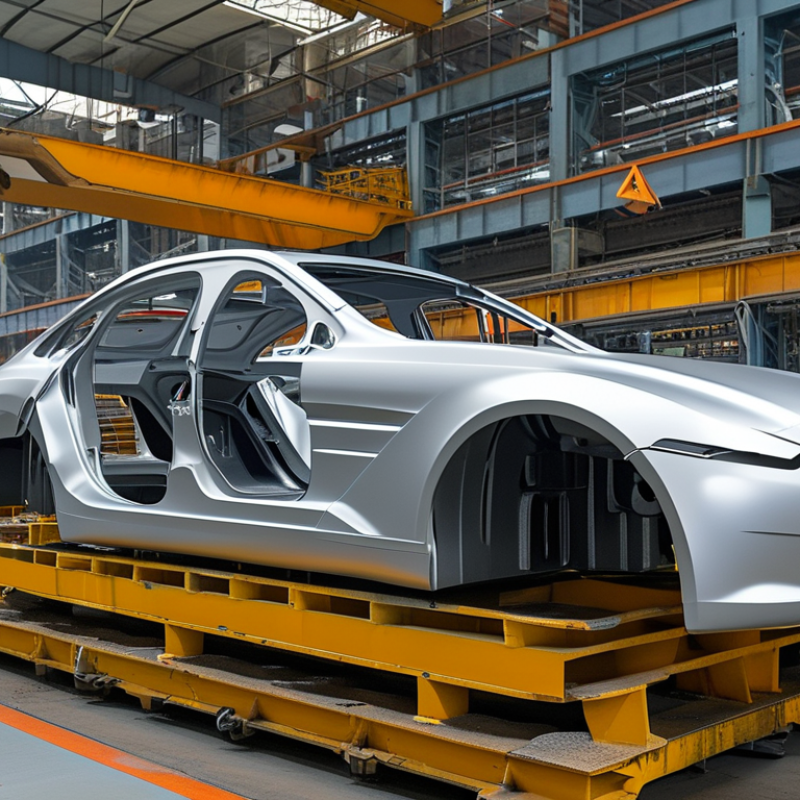
The current state of aluminum casting technologies is rapidly evolving. Industry reports indicate that the global aluminum casting market is expected to reach $29 billion by 2026. This growth is driven by advancements in production processes and material improvements.
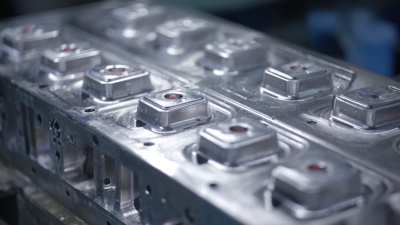
One key trend is the increasing use of 3D printing in mold creation. This method shortens lead times and allows for more complex designs. For example, studies show that 3D-printed molds can reduce production time by up to 50%. However, accuracy and surface finish can sometimes fall short of traditional casting methods.
Another notable development involves the use of lightweight alloys. These alloys enhance mechanical properties while reducing overall weight. Reports highlight that parts made from advanced aluminum alloys can achieve strength improvements of 20-30%. Despite these benefits, challenges remain, particularly in achieving uniformity during the casting process. As manufacturers strive for innovation, balancing quality and efficiency will remain critical for future success.
Emerging Trends in Aluminum Alloy Composition for Casting
The aluminum casting industry is evolving. The composition of aluminum alloys will play a pivotal role in shaping future applications. As more manufacturers seek lightweight and durable materials, the focus on alloy composition intensifies. Higher strength-to-weight ratios and improved corrosion resistance are increasingly in demand. New alloy formulations are being tested to meet these requirements.
Current trends suggest a shift towards more sustainable materials. Recyclability is a significant aspect of new aluminum composites. Innovations that enhance the lifespan of products could reduce overall consumption rates. However, this also poses challenges. Striking a balance between performance and environmental impact is complex. Some innovations may sacrifice traditional properties for sustainability.
Collaboration between engineers, material scientists, and manufacturers is essential. This teamwork can lead to breakthroughs in aluminum alloy formulations. As the industry moves forward, it must remain adaptable. The journey towards improved compositions will involve trial and error. Ultimately, the focus should remain on delivering reliable and efficient casting solutions.
Top Trends in Casting Aluminum Parts for 2026
| Trend |
Description |
Expected Impact |
Year of Adoption |
| Advanced Alloy Composition |
Utilizing new alloy compositions to enhance performance and reduce weight. |
Improved mechanical properties, resulting in better durability and efficiency. |
2026 |
| 3D Printing Integration |
Combining casting techniques with 3D printing for rapid prototyping and complex designs. |
Faster production times and reduced material waste. |
2025 |
| Sustainability Initiatives |
Incorporating recycled materials in the alloy mixture to promote sustainability. |
Lower environmental impact and potential cost savings. |
2026 |
| Smart Manufacturing |
Utilizing IoT and AI to optimize the casting process and monitor quality. |
Enhanced production efficiency and quality control. |
2025 |
| Automated Casting Techniques |
Implementation of robotic systems for increased precision in casting. |
Reduction of human error and increased output rates. |
2026 |
Advancements in 3D Printing Techniques for Aluminum Parts
The landscape of aluminum part manufacturing is evolving, particularly with advancements in 3D printing techniques. By 2026, it is anticipated that 3D printing will revolutionize how aluminum parts are produced. Recent industry reports indicate that the global market for additive manufacturing is projected to grow at a compound annual growth rate (CAGR) of 24% from 2022 to 2028. This growth highlights the increasing acceptance of 3D printing for high-strength materials like aluminum.
3D printing allows for complex geometries and better weight reduction. Traditional methods often limit design capabilities, leading to inefficiencies. In contrast, with additive manufacturing, engineers can create intricate structures that are not achievable with conventional casting techniques. However, challenges persist. The need for improved material properties and enhanced surface finishes remains critical. As aluminum parts are exposed to operational stresses, the durability of 3D printed components must be thoroughly evaluated.
Moreover, the cost-effectiveness of 3D printing remains a topic of debate. While initial investments in technology are significant, the potential for reduced waste and faster prototyping can offset long-term expenses. Companies need to weigh these factors carefully. Integrating 3D printing in aluminum part manufacturing may require rethinking traditional workflows, but the potential for innovation is impressive.
Sustainable Practices in Aluminum Casting for 2026
Sustainable practices in aluminum casting are vital for the industry's future. As we move toward 2026, the need to minimize environmental impact has never been more pressing. Aluminum casting processes often consume vast amounts of energy and produce significant waste. Addressing these issues is crucial for sustainability.
One effective approach is recycling. Recycled aluminum requires only a fraction of the energy compared to producing new aluminum. Implementing systems that prioritize the use of recycled material can drastically reduce carbon footprints. Companies are exploring innovative ways to incorporate scrap aluminum and reduce waste.
There are challenges to overcome. Not every foundry has access to efficient recycling methods. Additionally, maintaining the quality of recycled materials can be difficult. Finding a balance between material integrity and environmental impact requires ongoing research and development. Moving toward a sustainable aluminum casting future means tackling these complexities head-on.
Top Trends in Casting Aluminum Parts for 2026
This chart illustrates projected trends in the key factors driving sustainable practices in aluminum casting for the year 2026. The focus is on material recycling rates, energy efficiency improvements, and water conservation initiatives within the industry.
Market Demand and Applications for Aluminum Cast Parts in 2026
In 2026, the demand for aluminum cast parts is expected to soar. Industries like automotive, aerospace, and electronics will drive this growth. Aluminum's lightweight nature and excellent corrosion resistance make it ideal for many applications. As manufacturers seek to enhance performance and reduce weight, aluminum will be their choice.
Production techniques are evolving. Innovative casting methods are improving efficiency and lowering costs. However, challenges remain. Remarkably, achieving perfection in the casting process is still elusive. Factors like temperature control and alloy composition can impact quality. Companies must constantly refine their approaches.
Sustainability is becoming a priority. Increasingly, businesses are focusing on recycled aluminum. This shift not only meets regulatory needs but resonates with consumers. However, consistent quality in recycled materials poses a complex dilemma. The balance between cost and quality remains a critical point of reflection as the industry progresses.

 +86-13516964051


 CONTACT NUMBER
 CONTACT NUMBER