Leave Your Message

What Are the Top Metal Casting Machine Types in 2026?

In 2026, choosing a Metal Casting Machine is less about buying the biggest press and more about matching equipment to the part. Geometry, alloy, production volume, and scrap tolerance all matter. Grand View Research estimated the global metal casting market at USD 165.3 billion in 2023. Its Metal Casting Market Size, Share & Trends Analysis projected a 5.3% compound annual growth rate from 2024 through 2030. That figure covers the casting market, not machine sales. A useful distinction.

This guide compares the main equipment families: sand molding machines, high-pressure and gravity die-casting machines, investment-casting equipment, centrifugal systems, and continuous casting lines. Each handles a different mix of shape, material, and output. A high-pressure die-casting cell can fill a complex mold quickly, while a sand system may suit larger, lower-volume parts. Continuous casting serves a different production rhythm altogether. No machine wins every job; plant comparisons can still overlook changeover time, tooling costs, and operator skill. Those details affect the real choice. The sections ahead explain where each type fits, what trade-offs to check, and which questions buyers should ask before selecting equipment.
What Are the Top Metal Casting Machine Types in 2026?

How Metal Casting Machines Are Classified by Process

Metal casting machines are best classified by how they shape and fill the mold, not by size alone. In sand casting, a molding line compacts sand around a pattern, while a separate furnace and pouring system deliver molten metal. This flexible process suits large parts and changing designs, though mold preparation can add time. Watch the sand condition.

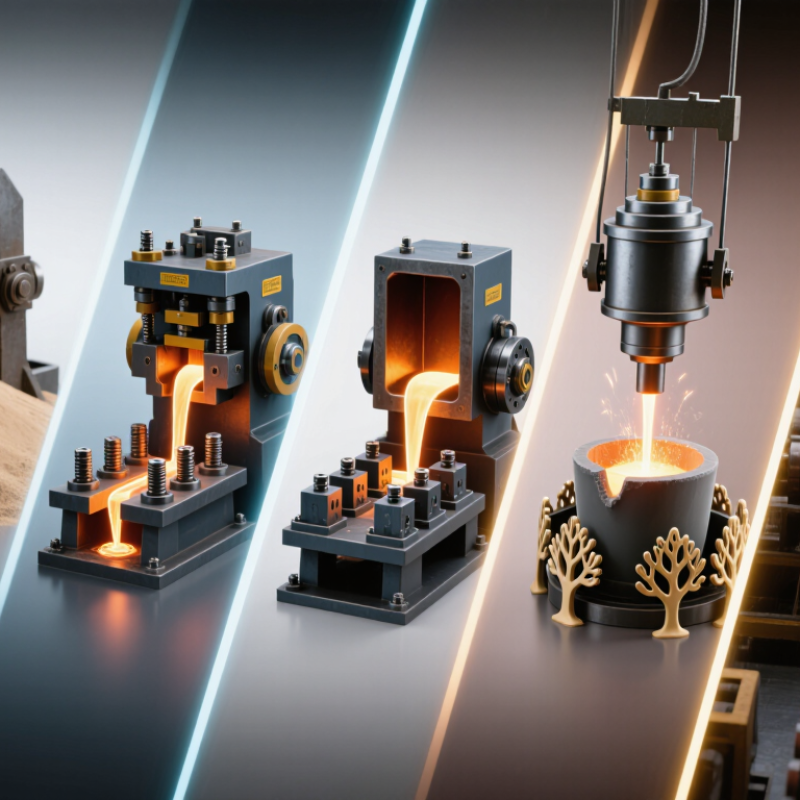
Permanent-mold machines use reusable metal dies. Gravity-fed systems rely on the metal’s own weight; low-pressure systems push it upward through a sealed tube. Die-casting machines inject metal under high pressure, filling fine ribs and thin walls quickly. The trade-off is real: dies cost more and must withstand repeated heat cycles. Check the cooling channels.

Investment casting follows a different route. Wax patterns are coated in ceramic, then removed before metal enters the shell; equipment centers on pattern handling, shell preparation, and controlled pouring. Centrifugal machines rotate a mold to distribute metal, often for rings or tubes. Continuous-casting equipment instead forms a steady strand through a water-cooled mold. These categories can overlap in production, so compare the process, alloy, part geometry, and expected output before choosing a machine. A small sample run can reveal filling or cooling problems that a specification sheet misses.

What Are the Top Metal Casting Machine Types in 2026?

How metal casting machines are classified by process

How to read this chart: Bars count the representative process routes listed for each family; they do not indicate market share, production volume, or machine sales.

The examples are: expendable-mold casting—green-sand, chemically bonded sand, shell, lost-foam, and investment casting; permanent-mold and die casting—gravity, low-pressure, high-pressure, and squeeze casting; centrifugal casting—horizontal and vertical; continuous casting—billet, bloom, and slab.

Sand Casting Machines for Molds and Cores

What Are the Top Metal Casting Machine Types in 2026?

Sand Casting Machines for Molds and Cores

Sand casting lines rely on several machines working together. A sand mixer blends silica sand, binders, and water to create a consistent molding mixture. Green-sand systems need close moisture control; small variations can affect mold strength and surface finish. It sounds simple. It isn’t.

Molding machines compact sand around a pattern to form the mold cavity. They range from jolt-squeeze units for repeatable production to automated lines that move flasks between stations.

Core-making machines, including core shooters, pack prepared sand into heated boxes to create internal passages. Those passages may be narrow, so core density and vent placement matter. A core that looks sound can still crack during handling.

The scale of the sector is substantial. Modern Casting’s 57th Census of World Casting Production reported 109.7 million metric tons of castings produced worldwide in 2022. That figure covers casting methods broadly, not sand casting alone, but it highlights the need for dependable production equipment.

When comparing machines, foundries should check cycle time, sand recovery, pattern changeover, and the consistency of finished molds and cores. High output is useful, but only when quality holds across shifts. The trade-off is rarely neat.

Die Casting Machines for High-Volume Production

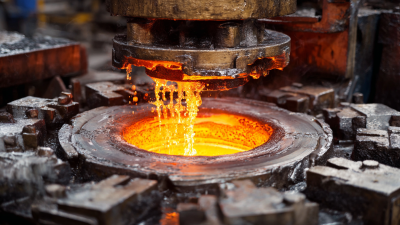
For high-volume production, die casting machines form molten metal into repeatable parts at a rapid cycle rate. Hot-chamber machines commonly process zinc and other low-melting-point alloys, while cold-chamber machines suit aluminum and magnesium alloys. The choice depends on alloy, component size, wall thickness, and target output—not simply the fastest advertised cycle. A cold-chamber cell may include a furnace, dosing system, clamping unit, die, and automated part removal. When properly tuned, these elements can produce thousands of consistent components during a run. Small details matter. A worn ejector pin or unstable melt temperature can cause flash, porosity, or dimensional variation.

Machine tonnage must match the projected area of the casting and the pressure needed to fill the die, with an engineering margin. Too little clamping force risks flash at the parting line; excessive force can increase tool stress and energy use. Cycle time also depends on cooling channels, lubrication, alloy temperature, and sample inspection. Automation speeds handling, but it cannot compensate for poor die design or contaminated metal. It happens. For dependable output, teams track scrap, downtime, shot consistency, and dimensional checks alongside parts per hour. Maintenance intervals should reflect actual wear, not just calendar reminders. Production data can be messy, and a few bad shifts may reveal a weakness hidden by average figures.

Investment and Centrifugal Casting Machines for Precision Parts

What Are the Top Metal Casting Machine Types in 2026?
Investment and Centrifugal Casting Machines for Precision Parts

Investment casting machines support parts with fine details, thin walls, and complex shapes. A typical line includes wax pattern equipment, shell-building stations, drying areas, and a controlled furnace. Each stage affects the final result. For example, uneven shell drying can lead to cracks or inconsistent dimensions. Small details matter.

Centrifugal casting machines rotate a mold as molten metal enters it. The rotation helps distribute metal along the mold wall, making this method useful for cylindrical parts such as sleeves and rings. Operators need to control mold speed, metal temperature, and alignment. Vibration or poor balancing can affect surface quality and dimensional consistency.

Choosing between these machine types starts with the part, not the machine catalog. Investment casting may suit intricate geometries, while centrifugal casting is often practical for rotational shapes. Check production volume, alloy requirements, maintenance access, and inspection capacity before investing. A common planning mistake is focusing only on purchase price. Energy use, tooling changes, operator training, and rejected parts also shape long-term cost. The comparison is rarely perfect; trial runs can reveal issues that a specification sheet misses.
What Are the Top Metal Casting Machine Types in 2026? - Investment and Centrifugal Casting Machines for Precision Parts

Machine or Process Type How It Works Common Metals Typical Part Profile Precision and Surface Finish Main Advantages Key Limitations Typical Applications
Investment Casting Equipment A wax pattern is coated with ceramic; after the wax is removed, molten metal is poured into the ceramic shell. Stainless and carbon steels, aluminum alloys, copper alloys, and selected high-temperature alloys. Small to medium parts with intricate shapes, fine details, thin sections, or internal passages formed with cores. Generally capable of good dimensional accuracy and a smooth as-cast surface. Actual tolerances depend on part size, alloy, geometry, and foundry practice. Can produce complex near-net-shape parts and reduce the need for extensive machining. Pattern and ceramic-shell preparation take time; tooling and process costs can be high for simple parts or very large production runs. Turbine and engine components, medical instruments, valve parts, and complex industrial hardware.
Centrifugal Casting Machines A rotating mold uses centrifugal force to distribute molten metal against its inner surface as the casting solidifies. Cast iron, steel, stainless steel, copper alloys, and some aluminum alloys, depending on the machine and mold system. Primarily cylindrical or rotationally symmetrical parts, such as tubes, sleeves, rings, and liners. Can produce a dense outer section and good concentricity in suitable geometries; machining is often used to achieve final dimensions and surface finish. Well suited to hollow cylindrical parts; centrifugal action can help limit some inclusions and porosity in the bore region, which is commonly removed by machining. Shape is largely restricted to rotational forms, and process control requires attention to rotation speed, pouring, and solidification. Pipes, bushings, bearing sleeves, cylinder liners, and industrial wear components.
Sand Casting Molding Equipment Reusable or expendable patterns form a cavity in bonded sand; molten metal is poured into the cavity. Cast iron, steel, aluminum alloys, copper alloys, and other foundry alloys. A broad range of part sizes, including large, heavy, and relatively complex castings. Typically has a rougher surface and wider dimensional variation than die casting or investment casting; machining may be required on critical features. Versatile process with comparatively adaptable tooling and a wide range of casting sizes and alloys. Usually needs more finishing and machining for close-tolerance surfaces; sand and mold preparation affect consistency. Pump housings, machine bases, engine blocks, valves, and large structural castings.
High-Pressure Die Casting Machines A machine injects molten nonferrous alloy into a reusable steel die under high pressure. Primarily aluminum, zinc, and magnesium alloys. Small to medium, repeatable parts with thin walls and detailed features; large machines can produce larger structural castings. Often offers good repeatability and a fine surface finish, although gates, parting lines, and critical features may require finishing. High production rates and consistent output after the die and process are established. Dies and machines require substantial investment; the process is generally less suitable for ferrous alloys and low-volume production. Automotive housings, appliance parts, electronics enclosures, and lightweight structural components.
Gravity Permanent-Mold Casting Machines Molten metal fills a reusable metal mold mainly under gravity, with the mold opened after solidification. Commonly aluminum and copper alloys; suitability depends on mold design and alloy. Small to medium parts that can be removed from a reusable mold and do not require highly complex internal geometry. Often provides a better surface finish and more consistent dimensions than sand casting, though results vary with mold design and process control. Reusable tooling can support repeat production and a consistent casting process. Tooling cost and design constraints can make it less attractive for one-off parts; undercuts and complex cores may be difficult. Automotive components, cookware, pump parts, and aluminum housings.

Note: Performance ranges are qualitative process comparisons, not guaranteed specifications. Achievable tolerances, surface finish, production rate, and equipment cost depend on part geometry, alloy, tooling, machine capacity, and foundry controls.

Continuous Casting Machines and Key Selection Factors for 2026

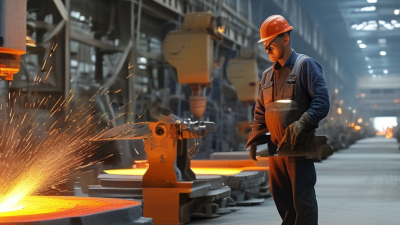
Continuous casting machines form molten metal into a steady strand, then cut it into billets, blooms, or slabs. In 2026, they remain a strong choice for operations that need consistent output and less repeated handling. Copper and aluminum lines may produce rods or other profiles. The right setup depends on the alloy and final dimensions, not just the machine’s rated speed.

Start with the product range and target throughput. A line designed for one billet size may struggle when production shifts to wider sections. Check mold design, cooling capacity, withdrawal controls, and cutting equipment together. Poor coordination can create surface defects or uneven solidification. That matters. Ask for operating data under conditions close to your own, including planned downtime and changeovers.

Energy use, floor space, maintenance access, and operator training also shape the decision. Sensors can flag temperature or speed changes, but they do not replace skilled inspection. Review how easily key components can be serviced, and confirm that process records are clear. A neat production forecast can still be wrong; trial runs often reveal awkward adjustments that a quotation misses. Leave room for those realities when comparing equipment.