What is Sand Die Casting and How Does It Work?
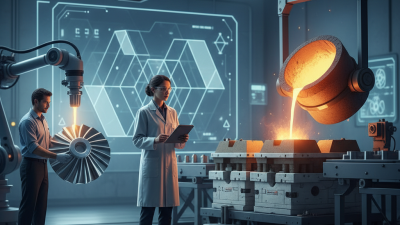
Sand Die Casting is a fascinating process with deep historical roots. This method uses sand molds to create complex metal parts. Metal is poured into these molds, which harden to form desired shapes.
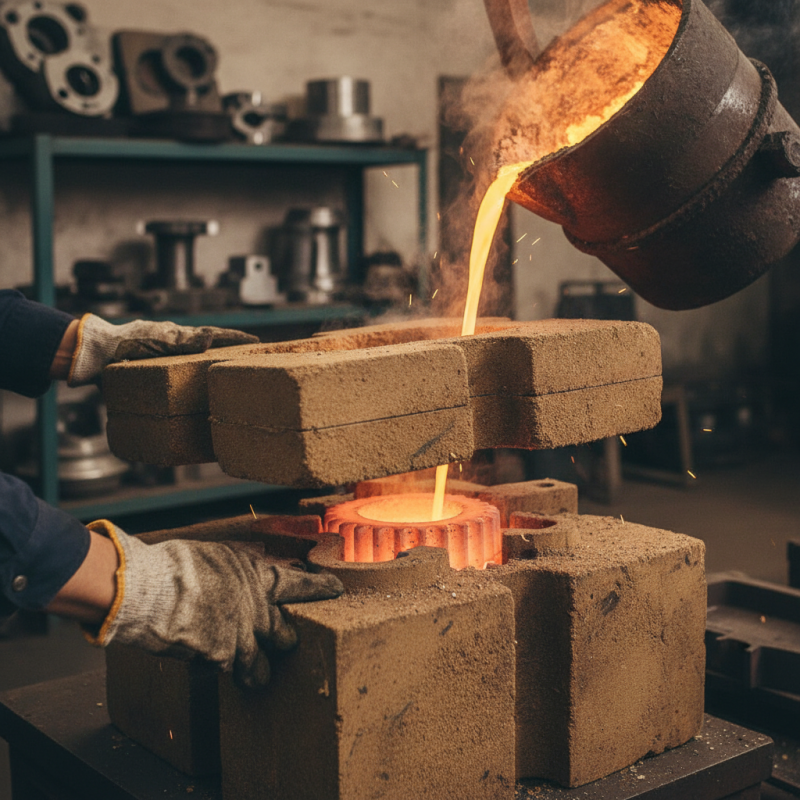
The process begins with creating a sand mold, often using a pattern. This pattern is typically made of metal or plastic. Once the mold is ready, molten metal is poured into it. The heat causes a quick reaction, allowing the metal to fill every cavity.
Although effective, Sand Die Casting has its challenges. Achieving precise dimensions can be tricky. The quality of the sand and the cooling rate matters significantly. An imperfect mold can lead to defects in the final product. Still, when done right, it produces strong, durable components. This balance of skill and material science makes Sand Die Casting both an art and a science.
What is Sand Die Casting? Definition and Overview
Sand die casting is a widely used manufacturing process that allows for the production of complex metal parts. In essence, it involves creating a mold from sand, which is then filled with molten metal. The sand used is typically a mixture of silica sand, clay, and water, ensuring durability and flexibility. According to industry reports, the global sand casting market was valued at around $10 billion in 2022 and is projected to grow steadily.
One of the key benefits of sand die casting is its ability to produce large, intricate parts. This process can handle various metals, including aluminum and iron. The heat resistance of sand molds allows for efficient casting. However, achieving higher precision can be challenging. Sand molds may have a rough surface, requiring post-processing to improve part quality. This is a common area for improvement in the industry.
Tips: Ensure proper sand preparation to enhance mold quality. Inadequate mixing can result in mold defects. Regularly inspect the casting process to identify issues early. This can save time and reduce waste. Always consider the environmental impact of materials used in casting to promote sustainable practices.
Historical Development of Sand Die Casting Techniques
Sand die casting has a rich history that dates back thousands of years. Ancient civilizations, like the Egyptians, utilized sand molds for metal crafting. They discovered that sand mixed with clay could create sturdy molds. These molds allowed them to produce tools and artifacts with remarkable precision.
As time progressed, the techniques evolved. In the 19th century, sand casting became more refined due to industrial growth. Factories introduced better materials and methods, leading to a spike in efficiency. However, early sand casting wasn't without flaws.
Imperfections in molds sometimes resulted in defective castings. This led to continuous improvements in the process.
Also, when using sand for casting, it’s essential to maintain the right mixture. Too much moisture can weaken the mold. Use just enough water to bind the sand. Test different sand types to find the best fit for your project. The right sand can significantly impact the quality of your casting. Always pay attention to details, as small mistakes can lead to larger issues later on.
Step-by-Step Process of Sand Die Casting
Sand die casting is a widely used manufacturing process that creates metal parts. The process starts with creating a mold made of sand. This molded shape is then filled with molten metal. The metal cools and solidifies, taking the shape of the mold.
To begin, the sand mixture is prepared. Sand, clay, and water combine to form a manageable consistency. Workers pack this mixture tightly into a mold. Once set, the mold is split open to remove the sand core. This step requires precision; any flaws can lead to defects.
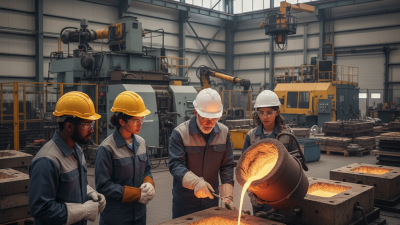
Next comes the metal pouring stage. Molten metal is heated in a furnace and carefully poured into the sand mold. Timing is crucial here; if the metal cools too fast, it won't fill the mold properly. After allowing the metal to solidify, workers break apart the sand mold. This can be messy. Sand particles often cling to the cast part, requiring thorough cleaning. The final piece may still need finishing touches to ensure quality. Each step has its own challenges that require careful attention.
Materials Used in Sand Die Casting and Their Properties
Sand die casting is a widely used method for producing metal parts. The materials used in this process play a crucial role in determining the quality and performance of the final products. Commonly employed materials include silica sand, resin, and various metal alloys.
Silica sand serves as the primary material. Its fine grains allow for detailed mold creation. The strength of silica enables it to withstand high temperatures during casting. However, the quality of the sand can vary. Poor quality sand can lead to defects in the castings.
Resin is often added to bind the sand grains together. It enhances the mold's durability and improves surface finish. But using too much resin can weaken the mold. Metal alloys, like aluminum and bronze, are also critical. They offer different properties, such as corrosion resistance and strength. Each alloy has its benefits and drawbacks, affecting the casting's final characteristics. Proper selection of these materials is essential for successful sand die casting.
What is Sand Die Casting and How Does It Work?
| Material |
Properties |
Applications |
| Aluminum Alloy |
Lightweight, high corrosion resistance, good machinability |
Automotive parts, aerospace components, consumer electronics |
| Cast Iron |
High wear resistance, good damping capacity, excellent machinability |
Heavy machinery, engine blocks, pipes |
| Bronze |
High strength, excellent corrosion resistance, good electrical conductivity |
Marine hardware, electrical connectors, musical instruments |
| Magnesium Alloy |
Very lightweight, good strength-to-weight ratio, weldable |
Aerospace components, automotive applications, portable devices |
| Zinc Alloy |
Good casting characteristics, high strength, good corrosion resistance |
Household fixtures, decorative items, automotive parts |
Advantages and Applications of Sand Die Casting in Industry
Sand die casting is a widely used method known for its versatility in manufacturing. It plays a significant role in multiple industries, including automotive and aerospace. The process allows for the production of complex shapes with high precision. According to a recent industry report, sand casting accounts for 70% of the total casting market.
The advantages of sand die casting are numerous. It’s cost-effective for small to medium-sized production runs. This flexibility saves manufacturers both time and money. Furthermore, the materials used in sand casting are widely available, making it accessible for various applications. For instance, aluminum and iron castings often rely on sand casting for high-quality components. This method also supports the complexity of designs, enabling innovative engineering solutions.
However, it's important to note that sand die casting does have its drawbacks. The process can produce rough surfaces that may require additional finishing work. Moreover, maintaining dimensional accuracy can be challenging. Variations in temperature and humidity affect the sand's performance, impacting the final product. These factors highlight the need for careful oversight and quality control during production.

 +86-13516964051


 CONTACT NUMBER
 CONTACT NUMBER