What is Sand Aluminium and Why is it Important for Buyers?
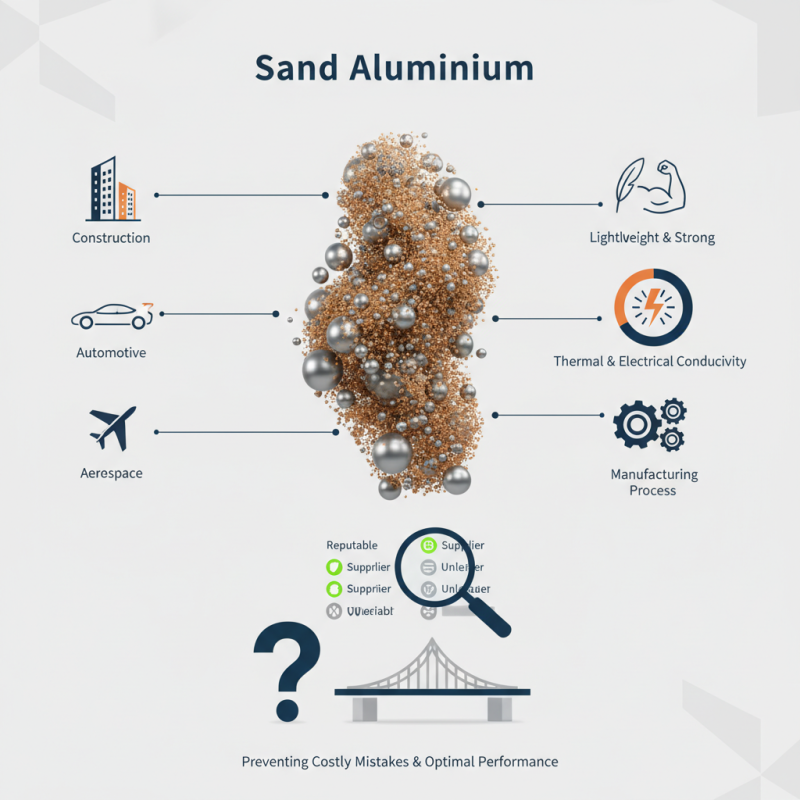
In today's industrial landscape, understanding "Sand Aluminium" is crucial for buyers in various sectors. Sand Aluminium refers to aluminum particles mixed with sand, creating a robust material choice for many applications. This unique blend holds particular significance in construction, automotive, and aerospace industries.
Buyers must grasp the properties of Sand Aluminium. Its lightweight nature and strength make it an ideal choice for enhancing structural integrity. Furthermore, it possesses excellent thermal and electrical conductivity. However, not all suppliers provide high-quality Sand Aluminium. Buyers must research reputable sources to ensure reliability in their purchases.
Many buyers overlook the importance of understanding manufacturing processes. Each technique can influence the material's final properties. Engaging with knowledgeable suppliers can bridge this gap. A thought-provoking exploration into Sand Aluminium can prevent costly mistakes and ensure optimal performance in projects.
Definition and Composition of Sand Aluminium
Sand aluminium, also referred to as aluminum sand, is a crucial material in various industrial applications. It consists largely of aluminum powder combined with silica sand. This mixture creates a lightweight yet durable substance that is commonly used in casting and manufacturing processes. Understanding its components is vital for buyers seeking quality materials.
The primary component, aluminum powder, offers excellent corrosion resistance and strength. Silica sand, on the other hand, provides the necessary structure and stability. Together, they result in a versatile product suitable for various applications, from automotive to aerospace. The blend of these materials can vary, affecting the final product's properties.
While the advantages of sand aluminium are clear, not all products on the market are created equal. Buyers must carefully assess the composition and purity of sand aluminium. Contaminants can lead to inferior performance. This underscores the need for reliable suppliers. Being diligent in sourcing materials can save significant costs in the long run.
Applications of Sand Aluminium in Various Industries
Sand aluminium is gaining traction across various industries due to its versatile applications. In construction, it serves as a lightweight filler in concrete. This helps reduce overall weight while maintaining structural integrity. Builders favor it for its ability to enhance thermal insulation. This property contributes not only to energy efficiency but also to sustainability.
In the automotive sector, sand aluminium is used for manufacturing lightweight components. Vehicles made with this material can improve fuel efficiency. As manufacturers strive to meet stringent emissions standards, this becomes critical. However, the industry faces challenges in ensuring consistent quality. Variability in raw material sources can impact performance, necessitating careful quality control.
Furthermore, in the aerospace industry, sand aluminium is valued for its strength-to-weight ratio. Aircraft components benefit from reduced weight without sacrificing durability. This directly influences aircraft performance and fuel consumption. Yet, there are questions about sourcing and environmental impact. Buyers need to consider the lifecycle of sand aluminium products. This awareness will guide sustainable purchasing decisions.
Key Benefits of Using Sand Aluminium for Buyers
Sand Aluminium, a lightweight material, is gaining traction in various industries. It consists of fine particles that provide a unique combination of strength and flexibility. According to a report by the International Aluminium Institute, the use of Aluminium in construction has increased by over 40% in the last decade. This trend highlights the material's versatility and efficiency.
One key benefit of sand aluminium is its excellent thermal conductivity. This property is crucial for applications requiring effective temperature regulation. For instance, manufacturers often leverage its ability to dissipate heat quickly in electronic devices. Additionally, sand aluminium is resistant to corrosion, extending the lifespan of products significantly. A study from the European Metals Industry pointed out that components made with this material can last up to twice as long as traditional metals in harsh environments.
However, buyers should remain aware of potential challenges. The sourcing and processing of sand aluminium can vary greatly in quality. Not all manufacturers adhere to stringent environmental standards, leading to concerns about sustainability. Buyers must perform due diligence, examining the supply chain and certifications. In an industry where transparency is key, informed decisions can lead to better outcomes. Balancing cost with quality remains a crucial consideration for those looking to invest in sand aluminium.
Factors to Consider When Purchasing Sand Aluminium
When considering the purchase of sand aluminium, several critical factors come into play. First, buyers should assess the quality of the sand aluminium. According to industry reports, the purity level should be above 90% to ensure optimal performance in manufacturing processes. Impurities can compromise the material's strength and reduce overall effectiveness. Understanding these quality metrics is essential for informed investment.
Another important element is sourcing and supply chain reliability. The global demand for sand aluminium has surged, as noted by a recent market analysis, indicating a 15% growth year-on-year. Buyers must ensure a steady supply from reputable suppliers to avoid production delays. Engaging with suppliers who provide transparency in their sourcing practices is crucial. This helps mitigate risks associated with fluctuating market conditions.
Pricing also plays a vital role. The cost of sand aluminium varies significantly based on quality and source. Reports indicate that price adjustments have occurred due to increased demand and resource scarcity. Buyers must keep an eye on market trends and be prepared to adapt budget allocations accordingly. Establishing connections in the industry can provide insights into price predictions and future trends. This knowledge ultimately leads to more strategic purchasing decisions.
Sand Aluminium Usage by Industry
This chart illustrates the usage of Sand Aluminium across different industries, highlighting its importance for buyers in making informed purchasing decisions. The construction industry leads in usage, followed by automotive and industrial applications.
Future Trends in Sand Aluminium Production and Usage
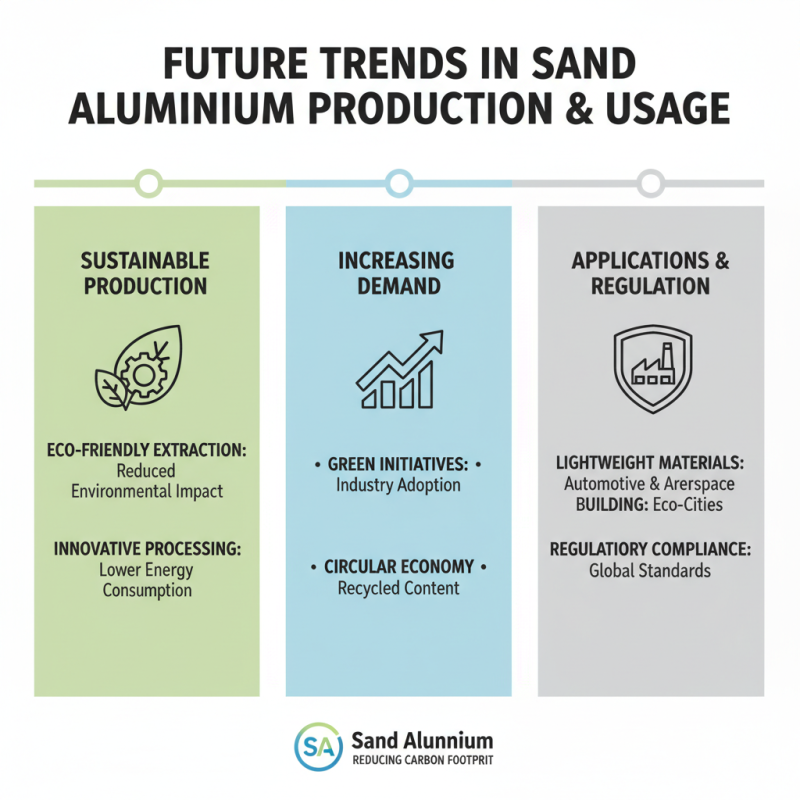
The production and use of sand aluminium are evolving rapidly. As industries seek sustainable practices, the demand for this material is surging. With a focus on reducing carbon footprints, manufacturers are exploring innovative extraction and processing methods. This is vital for maintaining environmental balance and meeting regulatory standards.
Emerging trends indicate a shift toward automation in sand aluminium production. Automated systems can enhance accuracy and efficiency. They help optimize resource use, but they also raise concerns about job displacement. Balancing technology with workforce needs is an ongoing challenge.
Furthermore, the recycling of sand aluminium is gaining traction. Recycled materials can significantly lower production costs and reduce waste. Companies are increasingly investing in technologies that facilitate this process. However, the industry faces obstacles in standardizing recycling practices. Finding common ground among stakeholders remains complicated.

 +86-13516964051


 CONTACT NUMBER
 CONTACT NUMBER