2026 How to Master Aluminum Pouring Techniques for Perfect Results?
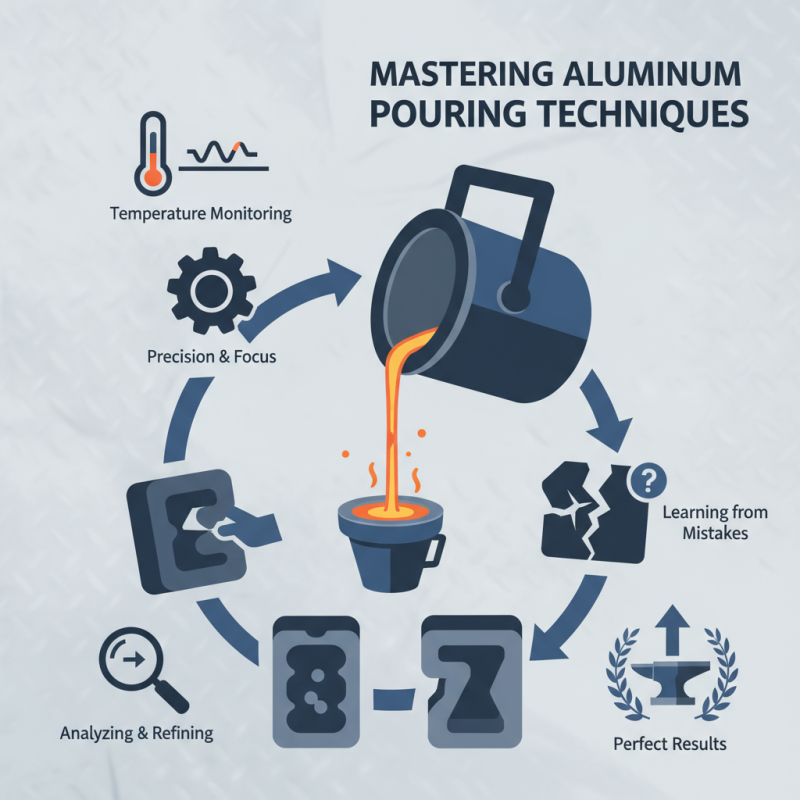
In the world of metal casting, mastering Aluminum Pouring techniques is crucial for achieving optimal results. Renowned expert John Smith once stated, "Precision in Aluminum Pouring transforms visions into reality." This statement captures the essence of what it means to pour aluminum effectively.
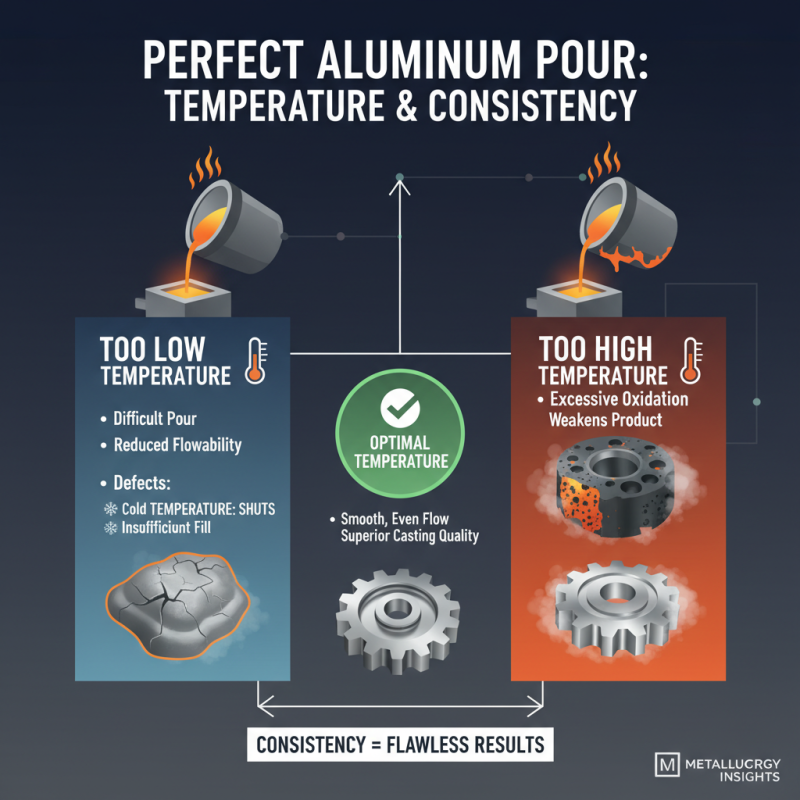
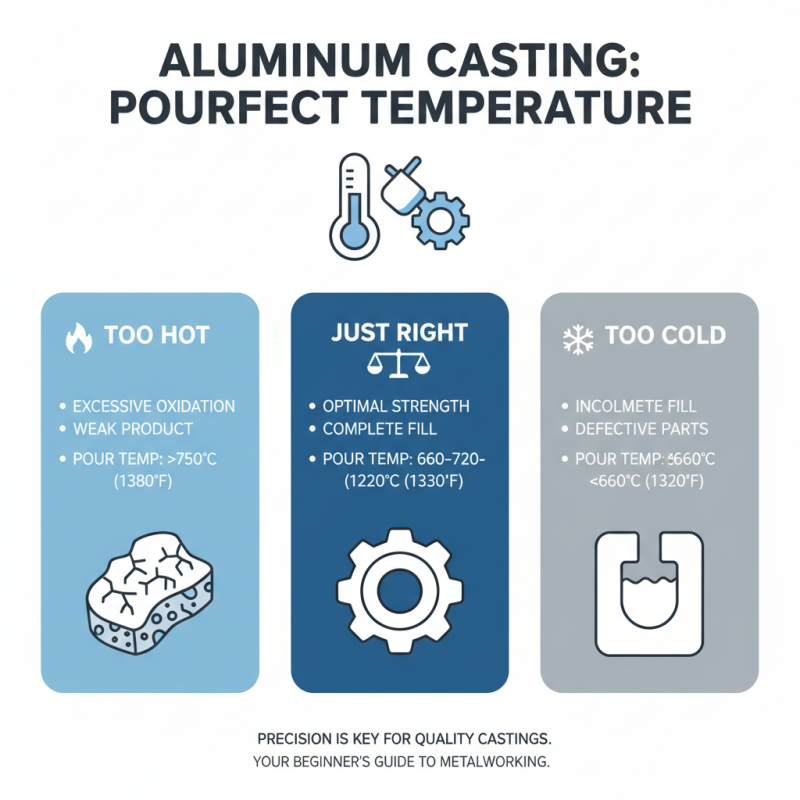
Aluminum Pouring requires focus and practice. The process may seem straightforward, but it involves nuances that can trip up even experienced artisans. One must carefully monitor the temperature, as overheating can lead to oxidation. Each pour holds the potential for both success and error, making attention to detail paramount.
Learning from mistakes is part of the journey. Sometimes, a pour may not meet expectations, leading to a need for reflection. By analyzing what went wrong, practitioners can refine their techniques. Perfecting Aluminum Pouring is a gradual process. With dedication, anyone can achieve the desired results.
Understanding Aluminum Pouring Basics and Safety Precautions
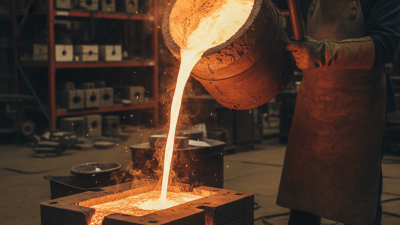
Understanding the fundamentals of aluminum pouring is crucial for achieving successful outcomes. It begins with the right preparation. Always wear safety gear, including gloves and goggles. Heat shields are essential to protect your skin from burns. The melting point of aluminum is over 1200°F. Always work in a well-ventilated area to avoid harmful fumes.
Proper mold preparation is equally important. Ensure your molds are clean and dry. Any moisture can cause dangerous steam explosions. It might be tempting to rush the process, but patience is key. Pouring too quickly can lead to defects in the final product. Take your time to achieve even flows.
After pouring, inspect the results. Look for air bubbles or rough surfaces. Accepting imperfections is part of the learning process. Each pour reveals new lessons. Reflect on what went wrong and how to improve for next time. Mastering aluminum pouring takes practice and attention to detail. Embrace the journey of refining your technique.
Aluminum Pouring Techniques Efficiency
This chart illustrates the efficiency of various aluminum pouring techniques across different temperatures. The data presents the average pour success rate (%) at specified temperature ranges (°C).
Essential Tools and Equipment for Aluminum Pouring Techniques
When mastering aluminum pouring techniques, the right tools and equipment are essential. A few fundamental items include melting furnaces, pouring ladles, and molds. Each tool plays a vital role in achieving quality results. For instance, a well-designed furnace can significantly impact the uniformity of temperature, which directly affects the pouring process.
Experts highlight the importance of temperature control. According to industry reports, pouring aluminum at the correct temperature can reduce defects by up to 30%. However, many beginners overlook the significance of preheating molds. This can lead to unexpected results, such as cold shuts or incomplete casts. Without proper attention to detail, even experienced pourers may face challenges.
Safety gear is another crucial element. Gloves, goggles, and aprons protect against splashes and high heat. Neglecting personal protection can lead to injuries. Surprisingly, a high percentage of accidents occur during the pouring stage. Investing in reliable equipment is essential, but regular maintenance is equally important. Tools that are worn down or improperly calibrated can result in tarnished finishes or misaligned pieces. Remember, achieving perfection in aluminum pouring is an ongoing learning process.
2026 How to Master Aluminum Pouring Techniques for Perfect Results? - Essential Tools and Equipment for Aluminum Pouring Techniques
| Tool/Equipment |
Purpose |
Material |
Tip for Use |
| Aluminum Melting Furnace |
Melting aluminum for pouring |
Steel or Cast Iron |
Ensure proper ventilation |
| Crucible |
Holds molten aluminum |
Ceramic or Graphite |
Preheat before use |
| Pouring Ladle |
Transfers molten aluminum |
Metal |
Use a steady hand |
| Protective Gear |
Ensures safety |
Leather, Kevlar |
Wear all gear at all times |
| Mold |
Shapes the poured aluminum |
Sand, Metal |
Ensure it's clean and dry |
Step-by-Step Process for Preparing Melted Aluminum
When preparing melted aluminum, start with safety gear. Wear gloves, goggles, and an apron. These are essential for protection. Aluminum can splash during pouring. A small splash can cause a burn.
Next, gather your materials. You will need a foundry furnace, crucible, and an ingot mold. Check the crucible for cracks. A damaged crucible can lead to failed pours. It's also important to preheat your mold. This prevents the aluminum from cooling too quickly.
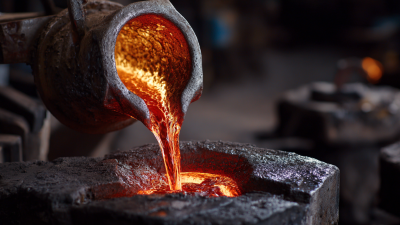
Once the aluminum is melted at the right temperature, pour slowly. A steady hand matters. If you pour too fast, you risk creating air bubbles. These bubbles can ruin your final product. Be prepared for minor spills. It happens to everyone. Learn from each pour.
Adjust your technique as needed. The journey to mastering aluminum pouring takes patience. Perfect results come after practice and reflection.

 +86-13516964051


 CONTACT NUMBER
 CONTACT NUMBER