What is Die Casting Aluminum Parts and How Are They Manufactured?
Die Casting Aluminum Parts play a crucial role in various industries. This manufacturing process allows for precise shapes and details. It is widely used due to its efficiency and cost-effectiveness.
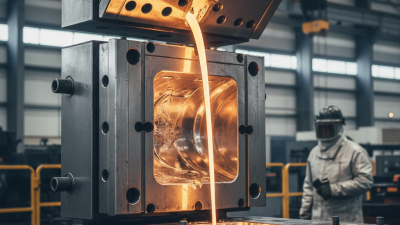
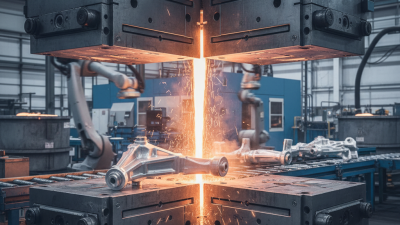
The technique involves forcing molten aluminum into molds under high pressure. This method ensures a consistent and smooth finish on the parts. However, it is essential to maintain strict quality control to avoid defects. Imperfect molds can lead to structural weaknesses.
Understanding the intricacies of die casting is vital. Knowledge of materials and processes ensures high-quality output. Yet, challenges remain. Factors such as temperature, pressure, and cooling time require careful attention. Striking a balance can significantly impact the final product.
Definition of Die Casting and Its Importance in Manufacturing
Die casting is a crucial manufacturing process. It involves injecting molten metal into molds to create precise shapes. Aluminum die casting has gained prominence in various industries because of its cost-effectiveness and strength. According to the
Global Die Casting Market Report, the industry is expected to reach $16 billion by 2025. This growth illustrates die casting’s increasing importance in production.
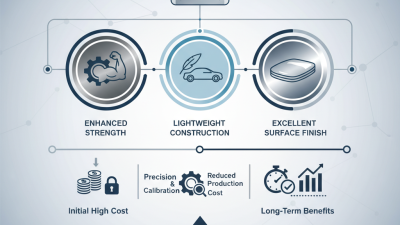
The process ensures high dimensional accuracy. Parts produced are lightweight yet strong, ideal for automotive and electronics sectors. For instance, aluminum die casting can achieve a tolerance of ±0.1mm, which is impressive. However, there are challenges. Achieving such precision can require costly molds and dies. The initial setup may deter small manufacturers.
Despite these hurdles, the benefits of die casting are clear. It minimizes waste and allows for complex designs that traditional methods struggle to produce. Nevertheless, companies must continually assess their processes to ensure efficiency. The need for regular maintenance of equipment is an ongoing concern. Manufacturers must adapt to changing market demands while striving for technical advancement.
Overview of Aluminum Properties Suitable for Die Casting
Aluminum is a popular material for die casting, thanks to its unique properties. It is lightweight, yet strong, making it ideal for a variety of applications. Specifically, the density of aluminum is around 2.7 g/cm³, significantly less than materials like steel. This quality contributes to lower production costs and energy efficiency. According to industry reports, aluminum offers excellent corrosion resistance, enhancing the durability of components produced through die casting.
Moreover, aluminum has a high thermal and electrical conductivity. This characteristic is crucial for applications in automotive and electronics industries. The melting point of aluminum is approximately 660°C, allowing for precise control during the die casting process. However, challenges can arise when casting complex shapes. In these cases, ensuring mold design compatibility is essential for maintaining the integrity of the final product.
Despite its advantages, aluminum die casting can present issues such as air entrapment or porosity. Addressing these problems requires careful process management and material selection. Quality control measures, like pressure testing, help identify potential flaws. By focusing on the properties of aluminum, manufacturers can optimize their die casting processes for better results.
Aluminum Properties for Die Casting
The Die Casting Process: Step-by-Step Breakdown
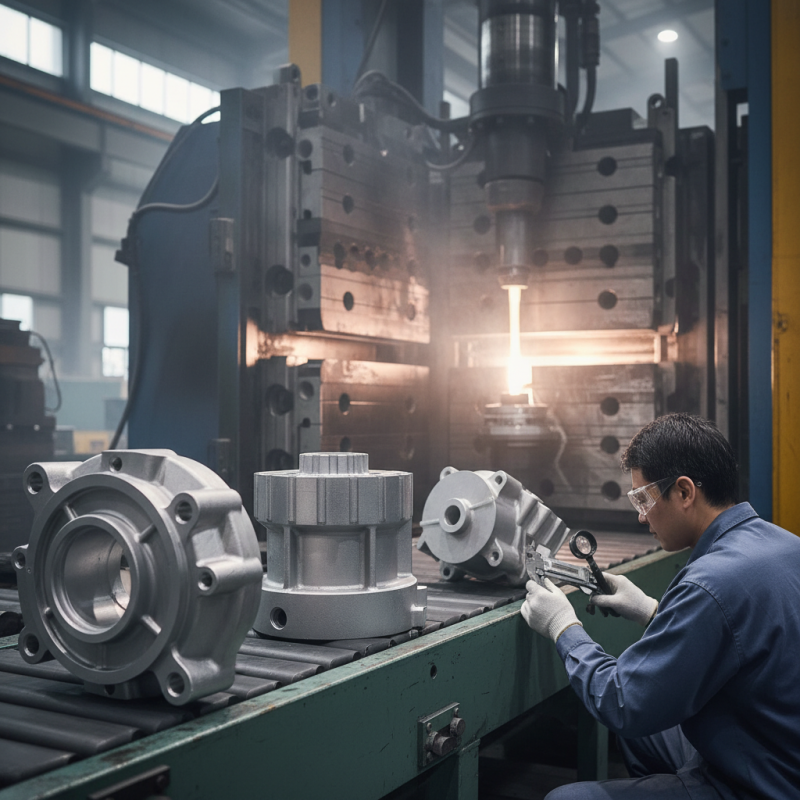
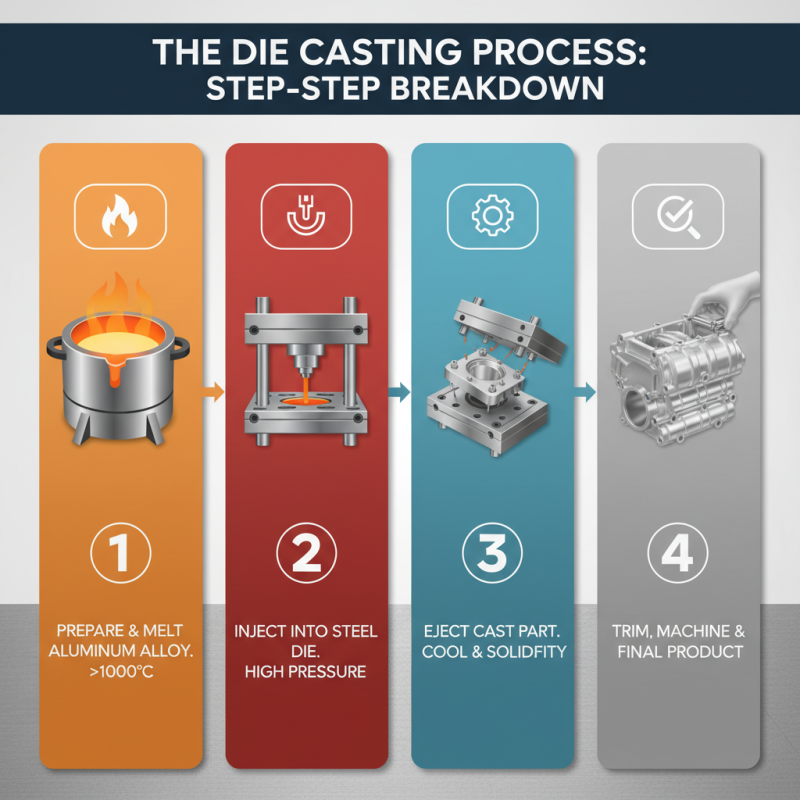
Die casting aluminum parts involves a precise manufacturing process. The die casting process starts with preparing the aluminum alloy. This alloy is melted in a furnace, reaching a molten state. Temperatures typically exceed 1,000 degrees Celsius. The next step is injecting the molten aluminum into a steel mold, known as a die. This requires high pressure, ensuring the aluminum fills the cavity completely.
After the aluminum is injected, it cools and solidifies rapidly. The cooling time may vary but is usually just a few minutes. Once solid, the die opens, and the newly formed part is ejected. This stage often requires careful consideration. If temperatures are not managed properly, defects may occur in the final part. These defects can be costly and time-consuming to address.
Post-processing follows the die casting. The parts are often trimmed to remove excess material. Additional surface treatments may be applied to improve quality. Despite careful monitoring, variability can still exist in dimensions and finishes. Manufacturers must reflect on these factors during production. Continuous improvement is essential in optimizing the die casting process for better outcomes.
Common Applications of Die Cast Aluminum Parts
Die cast aluminum parts play a vital role in various industries. Their lightweight and high strength make them ideal for applications in automotive, aerospace, and consumer electronics. According to a report from Grand View Research, the global die casting market for aluminum is projected to reach $30.3 billion by 2025, with a CAGR of 5.6%. This growth highlights the significant demand for durable components that aluminum die casting can provide.
In the automotive sector, die cast aluminum parts are crucial for manufacturing engine blocks, transmission cases, and wheels. These components enhance fuel efficiency due to their reduced weight. The aerospace industry benefits from their use in structural elements, which demand both strength and lightweight materials. Consumer electronics, such as smartphones and laptops, also utilize die cast aluminum for housings and structural supports.
Tips: When considering die casting for your product, focus on the design and material selection. Complex geometries can improve functionality but may increase production costs. Ensure proper cooling and ejection techniques to avoid defects. Understanding these factors can lead to better outcomes.
Quality Control and Testing in Die Casting Aluminum Production
In the world of die casting aluminum parts, quality control is vital. The process begins with meticulous design specifications. Each part must meet exact dimensions and surfaces. Quality tests are performed throughout manufacturing. This ensures the end product is reliable.
Common testing methods include visual inspections and dimensional checks. These help identify defects early. Additionally, stress tests simulate real-world usage. This phase is crucial for assessing durability and performance.
Tips: Always review the design before production. Small errors can escalate into significant issues. Track production closely to ensure consistency. Regular maintenance of die casting equipment also improves accuracy. Make sure to keep records of all tests. This documentation is essential for traceability. It helps build trust with clients.
What is Die Casting Aluminum Parts and How Are They Manufactured? - Quality Control and Testing in Die Casting Aluminum Production
| Manufacturing Process |
Material Used |
Common Applications |
Quality Control Measures |
Testing Methods |
| High-Pressure Die Casting |
Aluminum Alloy (e.g., ADC12) |
Automotive Parts, Electronics Housings |
Visual Inspection, Dimensional Measurement |
X-Ray Inspection, Material Testing |
| Low-Pressure Die Casting |
A356 Aluminum Alloy |
Structural Components, Heat Exchangers |
Load Testing, Surface Quality Checks |
Ultrasound Testing, Hardness Testing |
| Gravity Die Casting |
Aluminum 6061 |
Marine Parts, Industrial Equipment |
Fatigue Testing, Chemical Composition Analysis |
Tensile Testing, Corrosion Resistance Tests |

 +86-13516964051


 CONTACT NUMBER
 CONTACT NUMBER