Why Choose a Metal Casting Machine for Your Manufacturing Needs?
In the competitive landscape of manufacturing, the choice of equipment can make a significant difference. The Metal Casting Machine stands out as a pivotal tool in various industries. According to a report by MarketsandMarkets, the global metal casting market is projected to reach $233.6 billion by 2026, driven by advancements in manufacturing technologies. This trend emphasizes the growing reliance on efficient, high-performance machinery.
Expert John Smith, a recognized authority in the casting industry, states, "Investing in a Metal Casting Machine can optimize output and reduce waste." His insights highlight the importance of selecting machines that not only meet production demands but also support sustainability goals.
Yet, not all manufacturers have embraced this transition. Some continue to rely on outdated methods that compromise efficiency. It is crucial for businesses to reflect on their choices. Are they investing wisely? The Metal Casting Machine presents both an opportunity and a challenge—striking the right balance is essential for future success.
Understanding the Basics of Metal Casting Machines
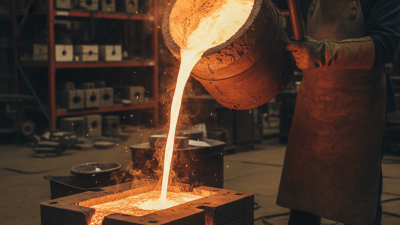
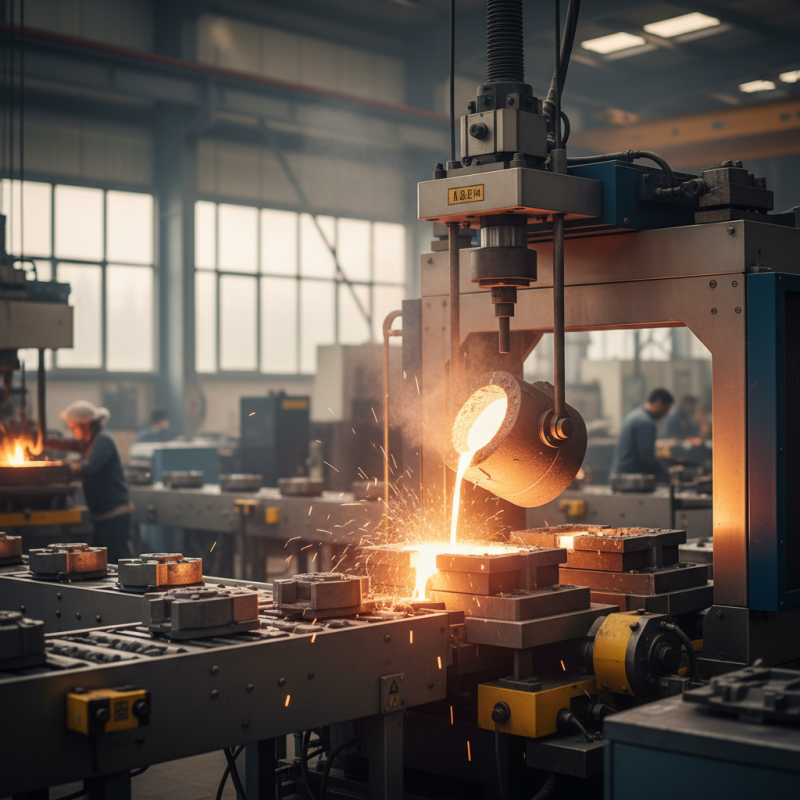
Metal casting machines play a crucial role in the manufacturing industry. They transform raw metal into usable parts through various processes. Understanding how these machines work is essential for manufacturers. Each machine type has unique capabilities. For instance, some specialize in sand casting, while others focus on die casting.
In metal casting, precision is key. The machines must operate flawlessly to minimize defects. Flaws can lead to wasted materials and increased costs. It's frustrating when a mold doesn't set properly. Even small errors can have significant consequences. Regular maintenance and adjustments are necessary to ensure optimal performance.
Choosing the right machine requires careful consideration. Manufacturers must assess their needs based on production volume. This often creates challenges. High-demand environments require robust machines that can handle rapid output. Balancing speed and quality becomes a complex task. Not every machine can deliver this balance seamlessly. Understanding these aspects can lead to more informed decisions in manufacturing.
The Advantages of Using Metal Casting Machines in Manufacturing
Metal casting machines offer a range of advantages for modern manufacturing. One primary benefit is the versatility they provide. Manufacturers can create complex shapes and designs. This flexibility allows for innovation in product development. Metal casting can accommodate a variety of metals, from aluminum to bronze. This adaptability means that different industries can meet their unique needs with ease.
Efficiency is another significant aspect. Metal casting machines speed up production times. Automated processes reduce human error and save labor costs. However, achieving optimal results often requires ongoing training. Operators must understand the machines and the materials well. Effective machine operation can be tricky. It demands attention to detail and constant adjustment.
Cost-effectiveness also stands out. While upfront investment might be considerable, long-term savings are substantial. Less waste leads to lower material costs. Quality castings can reduce rework and maintenance efforts. Yet, companies sometimes overlook the initial training needed. Without proper guidance, the equipment's true potential may remain untapped. Balancing cost and quality is essential in this dynamic landscape.
Types of Metal Casting Methods and Their Applications
Metal casting is a vital process in manufacturing. Different methods serve various purposes and industries. Understanding these methods can greatly benefit your operations.
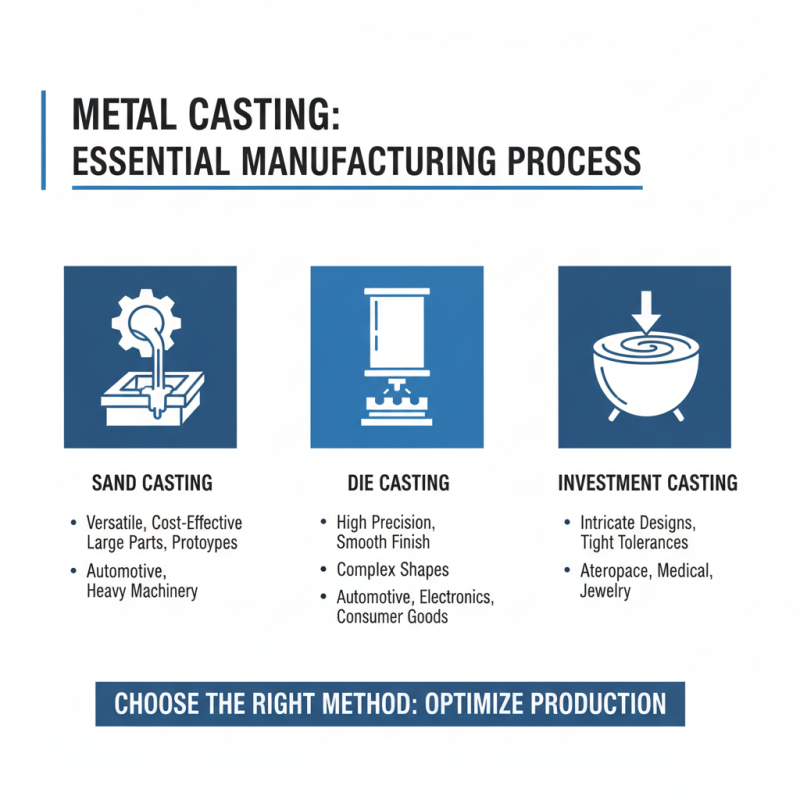
Sand casting is one of the oldest techniques. It involves creating a mold from sand and pouring molten metal into it. This method is cost-effective, making it suitable for small runs and prototypes. However, surface finish might not be perfect. Thus, additional machining could be needed, which adds to the time and cost.
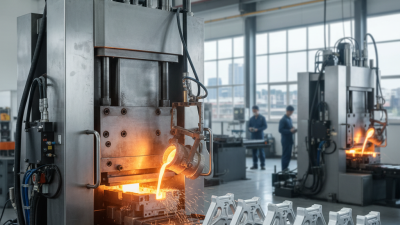
Die casting offers precision. It's ideal for high-volume production with complex shapes. This process uses high pressure to force molten metal into steel molds. The final products often have a smooth finish and can be used in automotive parts or household items. However, the initial setup cost for die casting is high. This could be a barrier for smaller businesses. Evaluating your production needs is crucial.
Factors to Consider When Choosing a Metal Casting Machine
When selecting a metal casting machine, several factors come into play. The initial consideration is the type of metal being cast. Different metals require different temperatures and cooling rates. For example, aluminum melts at around 660°C, while bronze requires around 950°C. Understanding these requirements is crucial for efficiency. A report by the Metal Casting Association indicates that optimal temperature controls can improve casting quality by up to 30%.
Another important factor is the machine's size and capacity. The production volume directly impacts your choice. A machine that is too small may lead to bottlenecks. Conversely, an oversized machine can result in wasted energy and resources. According to recent industry studies, companies with appropriately sized casting machines report a 25% decrease in operational costs.
Additionally, the ease of maintenance should not be overlooked. Machines with complex components can lead to downtime and increased costs. Simplifying maintenance processes can save time and improve productivity. Some users have found that investing in user-friendly designs enhances their workflow. They report a significant drop in maintenance issues within the first year of operation. This invites reflection on how crucial these choices are for long-term success in manufacturing.
Maintaining Metal Casting Machines for Optimal Performance
Maintaining metal casting machines is crucial for consistent performance in manufacturing. Regular checks on fluid levels and temperature ensure machines run smoothly. Limitations in maintenance can lead to unexpected breakdowns. Scheduling routine maintenance sessions can prevent costly downtimes.
Operators should be trained to recognize warning signs early. Strange noises or vibrations often indicate issues. These small details can save significant repair costs. However, not all operators take these warnings seriously, leading to oversights. Keeping a detailed log of machine performance and maintenance is essential for optimal operation.
Investing time in cleaning is just as important. Residue buildup can hinder efficiency and lead to defects. Many forget to implement proper cleaning protocols, resulting in long-term damage. Another area often overlooked is lubrication; it plays a vital role. Neglecting to lubricate parts can increase friction and wear. Regularly reviewing maintenance practices can enhance machine longevity and improve production quality.

 +86-13516964051


 CONTACT NUMBER
 CONTACT NUMBER