+86-13516964051


Metal die casting is a fundamental process in modern manufacturing, admired for its efficiency and precision. According to a report from MarketsandMarkets, the global die casting market is projected to reach $18.38 billion by 2026. This reflects the growing demand for high-quality metal components in various industries, including automotive and aerospace.
Expert John Smith, a leading figure in the metal casting industry, stated, "The right casting techniques can significantly enhance the durability and performance of components." Despite this, many manufacturers still struggle to adopt the best practices. Factors like material selection, die design, and process optimization are critical yet often overlooked.
As the industry evolves, there are ongoing challenges. Many companies are not fully utilizing advanced technologies. The potential for error remains high if manufacturers do not reevaluate their methods. Quality assurance is vital, but it requires continuous improvement and thoughtful implementation of best practices in metal die casting.
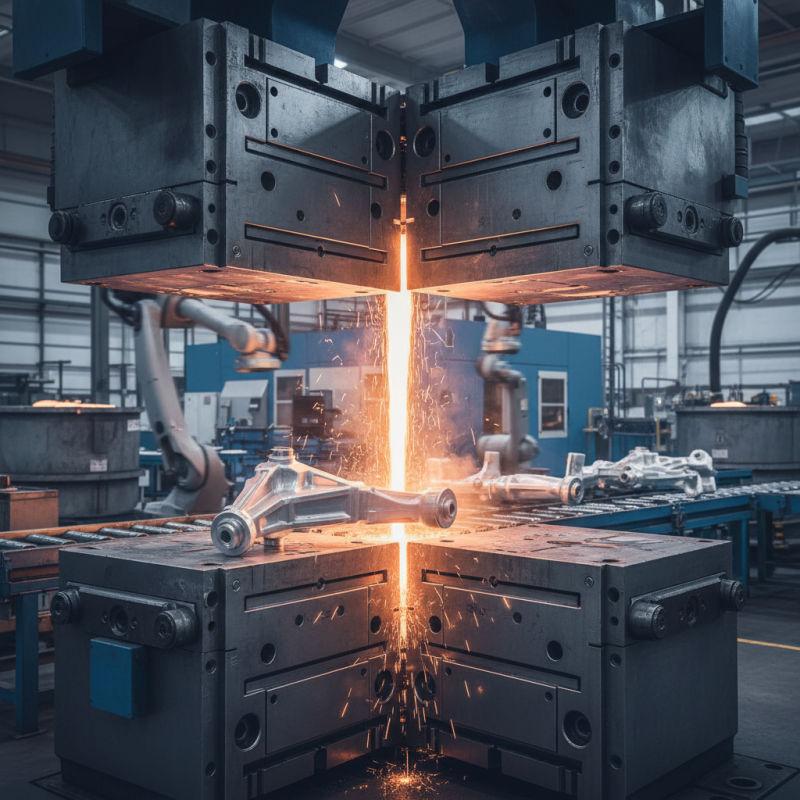
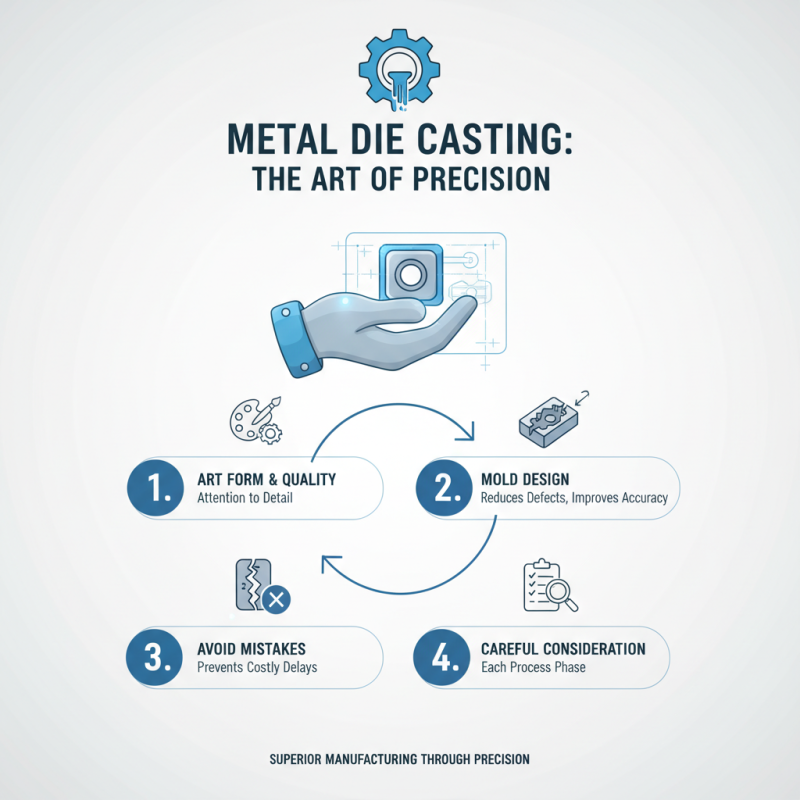
Metal die casting is an art form. To achieve superior quality manufacturing, attention to detail is essential. Proper mold design plays a critical role. A well-designed mold reduces defects and improves dimensional accuracy. However, mistakes in mold construction can lead to costly production delays. Each phase of the process needs careful consideration.
Temperature control is another crucial aspect. The metal should be melted to an appropriate temperature for optimal flow. If it is too hot, it can create excess porosity. If too cool, it can cause issues with filling the mold. Regular monitoring and adjustments are vital, but many overlook this. The use of proper alloy selection aids in enhancing strength and durability. Yet, not all manufacturers prioritize this, leading to subpar results.
Quality checks are key. Implementing periodic inspections ensures that parts meet specifications. Some might argue that time is of the essence. However, rushing through inspections can lead to significant quality issues down the line. Training personnel to identify potential flaws is essential. Inadequate training can result in overlooking crucial details, ultimately affecting the final product's performance. Balancing efficiency with thoroughness is a challenge that many face.
Investment casting and pressure die casting are two popular techniques in metal die casting. Each method has its own unique advantages and challenges. Investment casting is known for its precision. It can create complex shapes and detailed designs. The process involves creating a wax pattern, which is then coated in a ceramic shell. After the shell hardens, the wax is melted away. This method may seem straightforward, but the time and detail required can lead to higher costs.
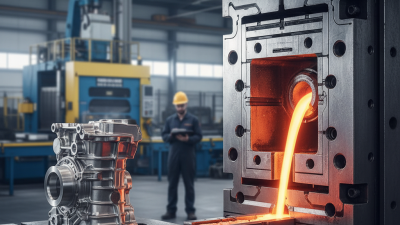
On the other hand, pressure die casting is a faster process. It uses high pressure to inject molten metal into a mold. This allows for quick production of large quantities. However, it often lacks the fine detail that investment casting can offer. The setup for pressure die casting can be intensive. Molds need to be perfectly designed to avoid defects. Small errors in the mold can result in significant waste.
Both techniques have their pros and cons. Investment casting excels at fine details. Yet, it is slower and potentially more expensive. Pressure die casting is efficient but may sacrifice some quality. The choice between them depends on the project's requirements. Evaluating these techniques carefully can lead to better outcomes in quality manufacturing.
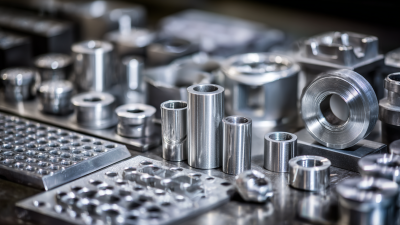
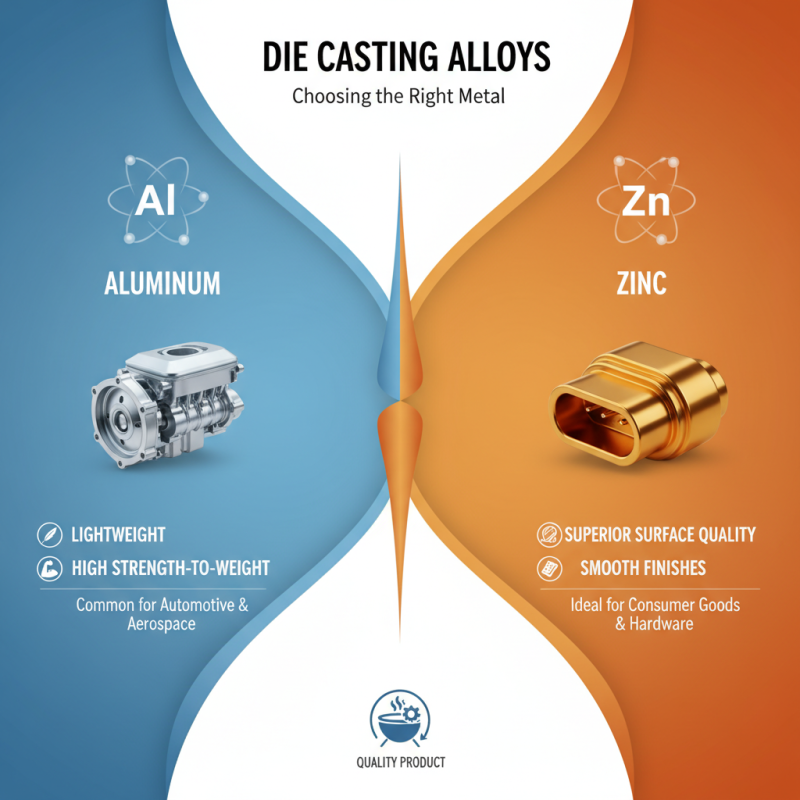
When it comes to die casting, the choice of alloy significantly influences the final product's quality. Various metals, such as aluminum and zinc, have unique properties that affect strength, weight, and corrosion resistance. Aluminum alloys are popular for their lightweight and excellent strength-to-weight ratio. In contrast, zinc alloys provide superior surface quality and smooth finishes.
Tips: Always consider the end-use of the product. A heavier alloy may not suit certain applications.
Choosing the right alloy is not a straightforward task. Each option presents its pros and cons. For instance, while aluminum has good thermal conductivity, it might not be the best for high-temperature applications. Understanding the specific demands of the component can streamline your selection.
Tips: Engage with a specialist during material selection for valuable insights.
Failing to select the right alloy may lead to costly repairs or product failures. Testing different alloys can provide clarity. It’s essential to evaluate and reflect on past projects to make informed decisions. The right material choice can enhance quality standards and reduce issues down the line.
In die casting, monitoring is essential. It ensures that every product meets the required standards. Real-time data tracking helps identify issues promptly. Inspecting temperature and pressure during the process is critical. Any fluctuation can lead to defects. Workers should always stay alert to these changes.
Quality control requires close attention to details. Regular sampling of casted parts helps spot variations. A small deviation in a component can have major consequences. Statistical process control might be useful yet challenging. It requires consistent data input and analysis. Many manufacturers still struggle with this aspect.
Ultimately, there is room for improvement. Relying on manual inspections may not catch every error. Automating some processes can enhance accuracy. However, there are still limitations. Technology may fail or produce false positives. The human element cannot be entirely replaced. A balance between machine and human oversight is crucial.
| Technique | Description | Advantages | Quality Control Measures |
|---|---|---|---|
| High-Pressure Die Casting | Involves forcing molten metal into a mold at high pressure to create complex shapes. | High precision, excellent surface finish, and ability to produce complex geometries. | Visual inspections, dimensional checks, and non-destructive testing. |
| Low-Pressure Die Casting | Uses lower pressure to fill the mold, allowing for thicker sections and lower porosity. | Suitable for larger components, reduced casting defects, and better material properties. | Thermal imaging, flow analysis, and ultrasonic testing. |
| Vacuum Die Casting | Involves creating a vacuum within the mold to reduce air pockets and improve metal flow. | Enhanced mechanical properties, reduced oxidation, and minimized defects. | Vacuum level monitoring, metallographic analysis, and pressure decay tests. |
| Centrifugal Die Casting | Rotates the mold to use centrifugal force to distribute the molten metal. | Strong, dense castings with superior finish and reduced porosity. | Centrifuge speed monitoring, visual inspections, and density checks. |
| Die Assembly and Maintenance | Involves assembling the die and maintaining it to ensure optimal performance. | Prolongs die life, reduces downtime, and maintains product quality. | Regular inspections, lubrication schedules, and dimensional accuracy checks. |
The metal die casting industry is undergoing a significant transformation due to automation and AI. These technologies are enhancing efficiency and precision in manufacturing processes. According to a recent report by MarketsandMarkets, the global die casting market is expected to reach $20.4 billion by 2025. This growth is partly due to increasing automation in production lines.
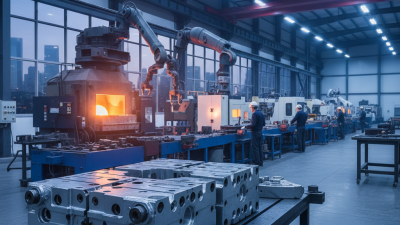
Automation minimizes human error and speeds up production. Robots can now perform tasks such as pouring molten metal and handling molds. This not only reduces the risk of accidents but also ensures consistent quality. However, transitioning to automated systems has its challenges. Many companies face high initial costs and technical difficulties.
AI, on the other hand, is optimizing operations through data analysis. Predictive maintenance powered by AI can forecast equipment failures before they occur. According to a study by McKinsey, AI could potentially enhance productivity in the manufacturing sector by up to 30%. Yet, not all organizations are ready to embrace this change. Resistance to new technologies remains a barrier, leading to missed opportunities for innovation.