Best Aluminum Casting Machine for Efficient Production?
The demand for efficient aluminum casting has surged in recent years. Choosing the right Aluminum Casting Machine is crucial for a successful production process. With various options available, it can be challenging to pinpoint the best one.
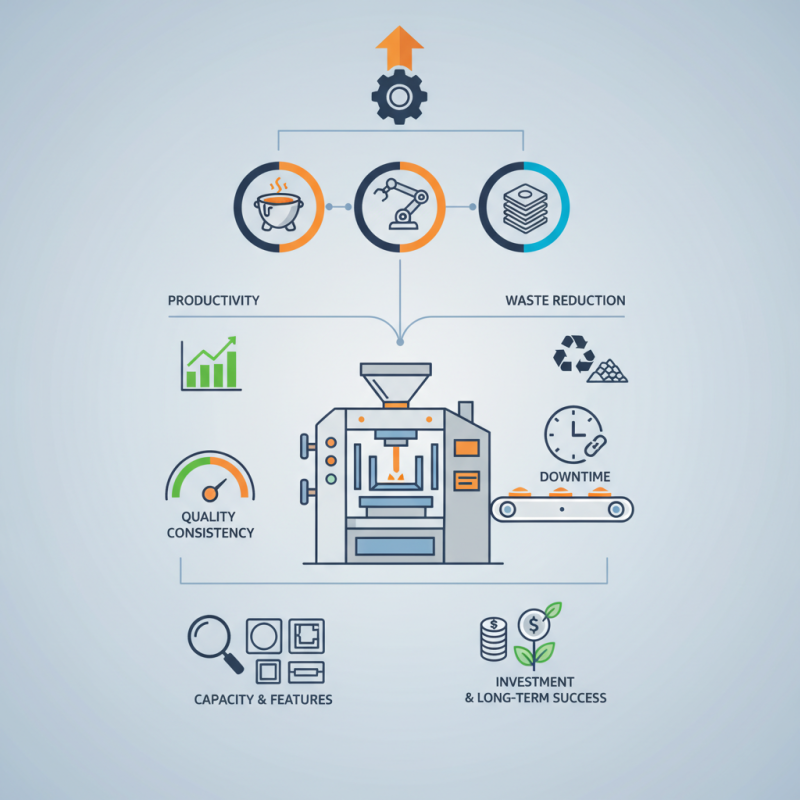
An ideal Aluminum Casting Machine enhances productivity and reduces waste. It should provide consistency in quality while minimizing downtime. Additionally, it's essential to consider the machine's capacity and features suited to specific projects.
Investing in a high-quality aluminum casting solution may come with significant costs. However, overlooking this step can lead to inefficiencies. Reflecting on your production needs is vital to avoid the pitfalls of inadequate equipment. The right machine can transform production outcomes and drive long-term success.
Overview of Aluminum Casting Machines in the Industry
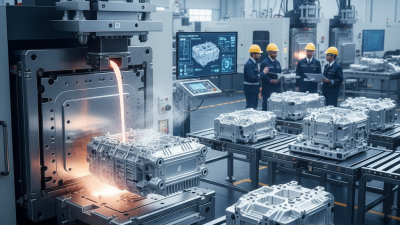
Aluminum casting machines have revolutionized the manufacturing process in various industries. These machines shape molten aluminum into intricate components, enhancing efficiency and reducing waste. Precision is crucial in this process; even minor errors can lead to costly defects. Some machines feature automated systems that improve consistency, but initial setup can be complex and labor-intensive.
The market offers both pressure die cast and sand casting machines, each with unique advantages. Pressure die casting machines create smooth surfaces and complex shapes quickly. However, the equipment's cost and maintenance can be significant. Sand casting machines, on the other hand, allow for larger parts but lack the fine detail that pressure die casting provides. Operators must carefully choose the machine that fits their production needs.
Training for operators is essential for maximizing performance. An inexperienced operator can produce poor results, leading to waste and delays. Industry professionals often emphasize ongoing training and best practice sharing. This approach fosters a culture of skill development and efficiency in aluminum casting production. Choosing the right machine should involve a thorough evaluation of specific production goals and constraints.
Key Features to Consider When Selecting an Aluminum Casting Machine
When selecting an aluminum casting machine, key features can significantly impact production efficiency. One vital aspect is the machine's ability to deliver consistent temperature control. Studies show that optimal casting temperatures enhance material properties, resulting in superior quality. A reliable machine maintains a temperature variance within ±5°C, which can improve the casting's strength and reduce defects.
Another crucial feature is the automation level of the equipment. Automated systems can boost productivity by up to 30%, minimizing human error and maximizing output. Furthermore, ease of operation is essential. Operators should be able to navigate the machine's interface without extensive training. Reducing the learning curve can lead to faster production times and a quicker return on investment.
Material compatibility also plays a significant role. Not all aluminum alloys are suited for every casting machine. Choosing a machine that can effectively process various alloy types is critical. Misalignment in alloy compatibility might lead to waste and increased costs. Industry reports indicate that about 15% of casting failures stem from equipment incompatibility. Continuous evaluation of your chosen machine's capabilities can help in addressing these challenges effectively.
Aluminum Casting Machine Production Efficiency Comparison
Top Manufacturers and Brands of Aluminum Casting Machines
The demand for aluminum casting machines has steadily increased in recent years. Industry reports indicate that the global aluminum casting market is projected to grow at a compound annual growth rate (CAGR) of over 4% from 2021 to 2028. This growth highlights the importance of choosing the right manufacturers and brands for efficient production.
In the market, several manufacturers stand out due to their advanced technology and reliability. Companies specializing in aluminum casting often offer machines with varying capacities. Precision in dimensions and surface finishes are crucial for industries like automotive and aerospace. High-quality machines can significantly reduce defects and enhance productivity. Industry surveys show that companies using high-performance casting machines see a 30% rise in operational efficiency.
**Tip:** Consider the machine's energy consumption when evaluating options. Efficient machines not only lower operational costs but also reduce environmental impact.
It is essential to remember that not all manufacturers deliver the same quality. Some brands may offer more features but can compromise on durability. Balancing cost and quality is a challenge many face. Regular maintenance can also be overlooked, impacting long-term performance. Choices should be made based on comprehensive research and industry standards to ensure a wise investment.
Efficiency Metrics for Aluminum Casting Machine Performance
When assessing the efficiency of aluminum casting machines, several key performance metrics come into play. The industry's typical casting yield rate hovers around 80%, yet many modern machines aim for a minimum of 90%. This benchmark indicates the amount of usable aluminum produced versus waste. Achieving higher yields not only maximizes material use but also reduces costs.
Cycle time is another crucial metric. Top-performing aluminum casting machines can complete cycles in under five minutes. This rapid production rate is vital for meeting market demands. A report from the Aluminum Association noted that reducing cycle time by 10% can lead to a 15% increase in overall output.
Energy consumption also directly impacts efficiency. Reports suggest that advanced machines can cut energy costs by 20% compared to older models. However, not all manufacturers take advantage of this technology. It's important to regularly assess machine performance to identify areas for improvement. Unchecked operation can lead to increased downtime and higher expenses. By focusing on these metrics, companies can better their sustainability and production effectiveness in a competitive landscape.
Best Aluminum Casting Machine for Efficient Production
| Machine Model |
Production Rate (kg/h) |
Energy Consumption (kWh) |
Operating Temperature (°C) |
Maintenance Frequency (months) |
Overall Efficiency (%) |
| Model A |
150 |
20 |
600 |
6 |
85 |
| Model B |
180 |
18 |
650 |
5 |
90 |
| Model C |
120 |
22 |
580 |
4 |
82 |
| Model D |
200 |
25 |
700 |
3 |
92 |
Maintenance and Care for Longevity of Aluminum Casting Machines
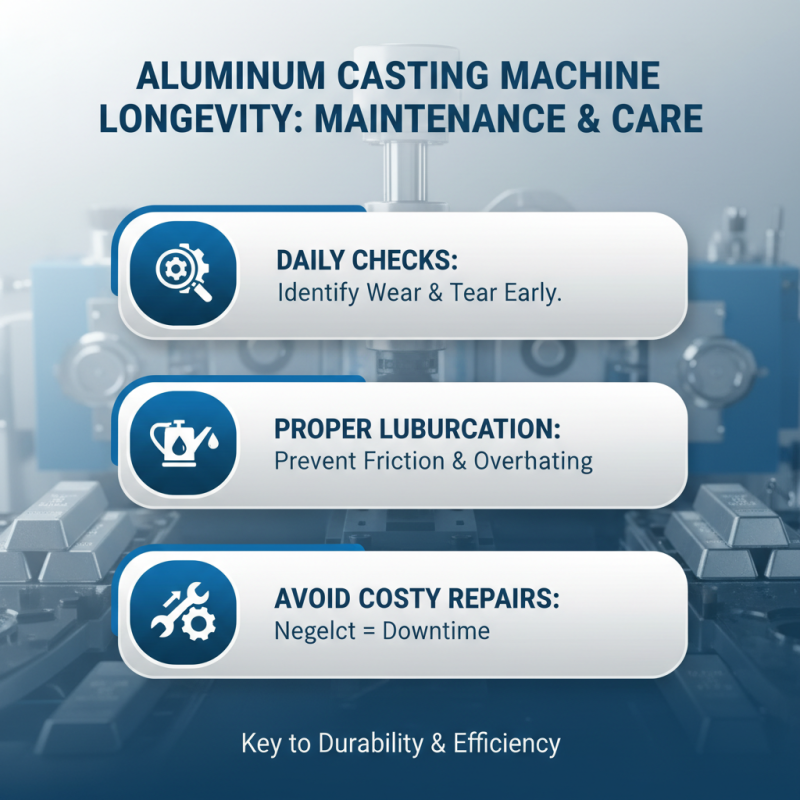
Aluminum casting machines require regular maintenance to ensure durability. Daily checks on machine components help identify wear and tear early. Proper lubrication can prevent overheating and excessive friction. This is often an overlooked area that can lead to costly repairs if neglected.
Incorporating a cleaning routine into your maintenance can enhance performance. Dust and debris can accumulate, affecting efficiency. Regularly inspect and clean the cooling systems, as any blockage can result in overheating. Moreover, operators should be trained to recognize signs of wear, like unusual noises or vibrations, which may indicate underlying issues.
Considering the operating environment is essential for longevity. Humidity and temperature fluctuations can impact machine performance. Protective covers can help shield the machines from dust and moisture. Skipping these measures may lead to premature failures, potentially affecting production schedules. Regular evaluation of your maintenance processes can lead to continuous improvement and safeguard your investment.

 +86-13516964051


 CONTACT NUMBER
 CONTACT NUMBER