Top 10 Benefits of Using Brake Vacuum Pump for Your Vehicle
In the automotive industry, the importance of a Brake Vacuum Pump cannot be overstated. As John Martinez, an industry expert, once said, “A reliable brake system relies heavily on a well-functioning vacuum pump.” This vital component provides the necessary assistance to your vehicle's braking system, enhancing safety and performance.
The benefits of using a Brake Vacuum Pump are numerous. It improves braking response time, which is essential for safe driving. Moreover, it reduces pedal effort, allowing for smoother braking experiences. However, not all drivers recognize its significance. Some might overlook regular maintenance, which can lead to serious issues. Consistent care is crucial for optimal function.
Choosing the right Brake Vacuum Pump can be overwhelming. With varying models and capabilities, a lack of knowledge can lead to poor decisions. Research is key, and consultation with experts like John can help. Being proactive in understanding your vehicle's needs will ensure a secure driving experience.
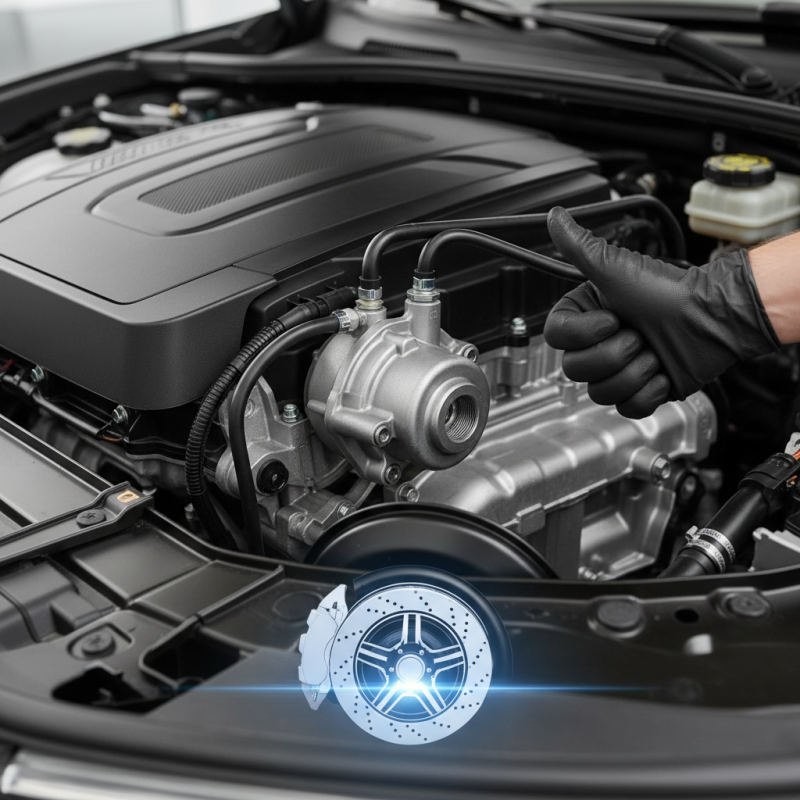
Understanding the Functionality of Brake Vacuum Pumps in Vehicles
Brake vacuum pumps are essential components of modern vehicles. They play a crucial role in enhancing braking performance. These pumps create a vacuum that assists in applying brake pressure. This function makes stopping smoother and safer. Without proper vacuum, brakes can feel spongy or unresponsive.
When the engine is idling, it generates natural vacuum. But sometimes, this is insufficient, especially in smaller engines. Here, a brake vacuum pump steps in. It ensures consistent vacuum levels, delivering reliable braking power.
Drivers benefit from reduced pedal effort. This can be particularly noticeable during emergency stops. A well-functioning pump can enhance driving confidence and safety.
However, not all vehicles come equipped with these pumps. Some may rely solely on engine vacuum, which can lead to problems. It's important to assess your vehicle's braking system regularly. A faulty pump can cause brake failure or excessive wear.
Reflections on these aspects can lead to safer driving experiences. Regular maintenance checks can identify potential issues early on.
Key Advantages of Enhanced Braking Performance with Vacuum Pumps
Brake vacuum pumps offer several key advantages for enhancing braking performance in vehicles. These pumps create a vacuum that helps to amplify the force applied to the brake pedal. This results in improved responsiveness and shorter stopping distances. When driving in heavy traffic or during emergencies, the benefit becomes evident. Better braking means increased safety for everyone on the road.
One important tip is to ensure the vacuum pump is properly maintained. Regularly check for leaks in the system. A small leak can reduce efficiency and compromise braking performance. Monitor the pump's performance closely, especially if you notice any changes in how your brakes feel.
Another consideration is the installation of a vacuum pump. While professional help is recommended, ensure that the location allows for sufficient airflow. Poor placement may lead to overheating, affecting functionality. Keep an eye on the pump’s operation; any unusual sounds may indicate an issue that needs addressing. Pay attention to these details to keep your braking system reliable and efficient.
Fuel Efficiency Improvements Linked to Brake Vacuum Pump Usage
Brake vacuum pumps play a significant role in enhancing vehicle performance, particularly in fuel efficiency. Studies have shown that cars equipped with these pumps can improve fuel economy by up to 10%. This is critical, especially as fuel prices rise and environmental concerns grow.
Using a brake vacuum pump helps maintain optimal engine performance. It ensures that the brake system operates correctly, reducing the workload on the engine. This can lead to less fuel consumption. A study by the International Council on Clean Transportation found that better brake systems can decrease emissions by 3-5%. That’s not negligible for vehicle owners aiming for greener options.
However, some vehicles may not utilize these pumps effectively. Misalignment or wear in the pump can negate these benefits. Regular maintenance becomes essential to keep these systems functioning efficiently. A well-maintained brake vacuum pump not only improves fuel efficiency but also enhances safety. Keeping an eye on these components is crucial, as overlooking them can lead to unexpected performance issues.
Top 10 Benefits of Using Brake Vacuum Pump for Your Vehicle
| Benefit |
Description |
Impact on Fuel Efficiency |
| Improved Braking Performance |
Enhances the responsiveness of brakes for better stopping power. |
Maintains efficient fuel use during braking. |
| Reduced Engine Load |
Less effort required from the engine to operate the braking system. |
Can lead to improved fuel consumption. |
| Smoother Driving Experience |
Provides consistent braking performance, reducing abrupt stops. |
Promotes steady speed maintenance, optimizing fuel use. |
| Enhanced Safety Features |
Supports advanced safety systems, such as ABS and stability control. |
Improved safety can prevent costly accidents, optimizing long-term efficiency. |
| Minimized Wear and Tear |
Reduces stress on braking components, extending their lifespan. |
Longer-lasting parts mean fewer replacements, influencing overall operational costs. |
| Responsive Power Assist |
Provides immediate vacuum pressure for instant brake response. |
Efficient braking can help maintain optimal engine performance. |
| Lower Emissions |
Better fuel efficiency leads to reduced exhaust emissions. |
Contributes to a smaller carbon footprint. |
| Less Noise Pollution |
Quieter operation of the braking system compared to older models. |
Promotes a more pleasant driving experience, potentially encouraging driving habits that favor efficiency. |
| Easy Installation |
Typically easy to install, facilitating upgrades to existing systems. |
Access to improved technology without extensive costs. |
| Increased Resale Value |
Vehicles with advanced braking systems can attract more buyers. |
Improvements in performance can justify higher market prices. |
Long-Term Maintenance Benefits of Brake Vacuum Pumps for Vehicles
Using a brake vacuum pump can significantly enhance the long-term maintenance of your vehicle's braking system. A well-functioning brake vacuum pump provides the necessary assistance to your braking system, ensuring optimal performance. It reduces wear on other components, which can save you money on repairs. Regular use can prolong the life of your brake pads and improve overall safety.
Tip: Regularly check the vacuum pump for any leaks or wear. If there are signs of damage, replace it promptly. This can prevent further issues down the road.
Ignoring your brake vacuum pump may lead to poor braking response and costly repairs. The pump's role is critical, yet many drivers overlook it. Your vehicle deserves consistent care.
Tip: Listen for unusual sounds while braking. If you hear any odd noises, this could indicate an issue with the vacuum pump. Addressing it early can save both time and money.
Investing in maintenance for your brake vacuum pump is vital for your vehicle's longevity. Proper care can lead to a smoother driving experience. Small steps now can lead to significant benefits later on.
Safety Enhancements Offered by Utilizing Brake Vacuum Pumps in Autos
Brake vacuum pumps play a crucial role in enhancing vehicle safety. Their primary function is to assist in providing sufficient vacuum pressure for the brake system, ensuring effective braking response. According to a 2021 industry report, over 70% of modern vehicles utilize brake vacuum pumps. This technology significantly reduces the risk of brake failure, especially in emergency situations.
Moreover, the reliability of brake vacuum pumps can be influenced by factors like temperature and wear. A study by the Automotive Engineers Society indicated that about 15% of brake failures stem from insufficient vacuum pressure. Regular maintenance of these pumps is essential. If ignored, drivers may face sudden braking issues, which could lead to accidents. Properly functioning brake vacuum pumps contribute not only to braking efficiency but also to overall road safety.
While advances in vacuum pump technology have improved many aspects of braking systems, challenges remain. For instance, inconsistencies in pump performance can occur due to manufacturing defects. The need for thorough testing and quality assurance is vital. Future designs must prioritize reliability to further enhance safety features within vehicles.
Top 10 Benefits of Using Brake Vacuum Pump for Your Vehicle

 +86-13516964051


 CONTACT NUMBER
 CONTACT NUMBER